






By Shingirai Vambe
Zimbabwe’s once-celebrated education system is facing one of its gravest crises since independence, as rising school dropouts and a mass exodus of teachers threaten to cripple learning institutions across the country. What was once regarded as a pillar of national pride is now buckling under the weight of economic hardship, policy neglect, and profound social change.
At the centre of the crisis is a sharp shift in priorities among both learners and educators. Reading culture and structured learning are steadily losing ground to survival-driven choices shaped by poverty and the rapid expansion of technology. With the fast movement of artificial intelligence and digital platforms, many young people no longer see formal education as a pathway to opportunity. Instead, vending, online trading, and informal hustles have become more attractive and immediate means of survival.
Teachers themselves are not spared. Across urban and rural centres, educators are increasingly seen selling sweets, airtime, and other small goods to supplement their incomes. For years, teachers have been calling on the government to restore salaries to pre-2017–2018 levels, before they were eroded under austerity measures introduced by the Mnangagwa administration. Despite numerous budget presentations, negotiations, and engagements involving Parliament, relevant ministries, Public Service, Unions, and labour bodies such as the Zimbabwe Congress of Trade Unions (ZCTU), meaningful salary reviews and improvements in working conditions remain elusive.
As frustration deepens, many teachers are choosing to leave the profession altogether. The consequences are dire, classrooms without educators, pupils without mentors, and a generation increasingly exposed to drug abuse, early marriages, and teenage pregnancies.
Progressive Teachers Union of Zimbabwe (PTUZ) president Takavafira Zhou told The Post on Sunday that the scale of departures in 2025 alone is alarming.
“About 20,000 teachers have left the profession in 2025, and there is a real danger of a quantum leap in the departure of experienced teachers and other professionals from Zimbabwe,” Zhou said.
He added that the crisis extends beyond education, reflecting a broader loss of confidence in government commitment to public sector workers.
“We are facing a serious crisis where the majority of teachers and other professionals have lost faith in the willingness of the current government to reasonably improve their salaries and conditions of service. Many are now considering early retirement, while others are actively seeking greener pastures in neighbouring countries,” he said.
Zhou warned that unless urgent corrective measures are taken, Zimbabwe risks an even deeper collapse of its education system in 2026, driven by the loss of experienced educators whose skills cannot easily be replaced.
The impact of this crisis is most severe in marginalised rural communities and resettlement areas, which together account for nearly 48% of Zimbabwe’s population. Teachers operating in these areas confirmed that school attendance has drastically declined. Many children, particularly girls, drop out as early as Grade 7, often between the ages of 13 and 14, due to pregnancy, poverty, and unstable learning environments. Compounding the problem, poor working conditions and staff shortages mean teachers themselves struggle to attend classes consistently.
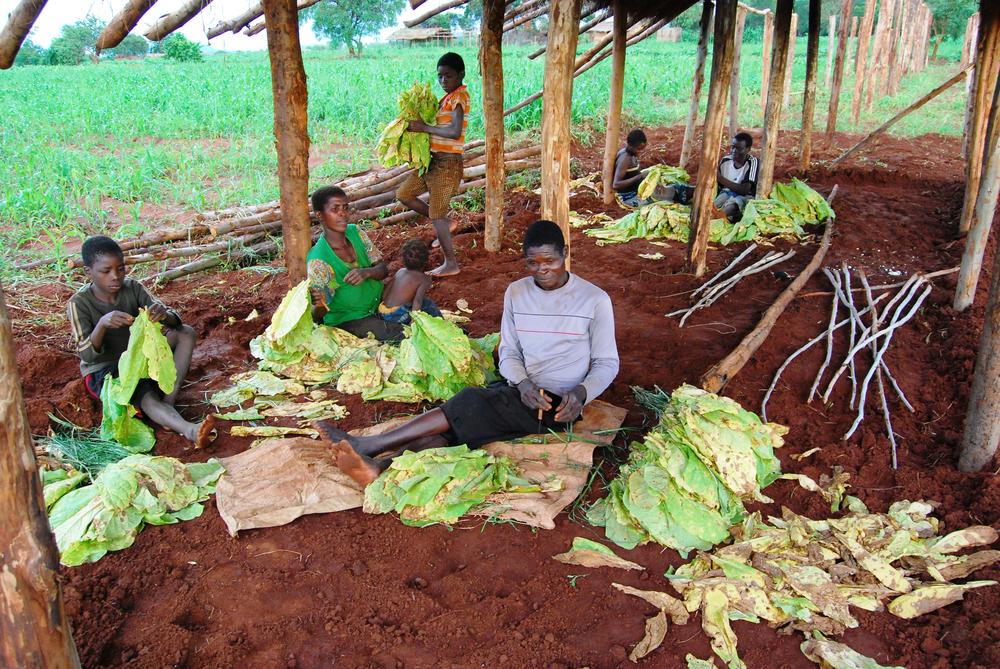
Instead of attending class, they have turn into tobacco farming and in a mineral infested area, they prefer gold panning than learning.
Amalgamated Rural Teachers Union of Zimbabwe (ARTUZ) president Obert Masaraure was scathing in his assessment of government priorities.
“History will not forgive this generation for allowing the erosion of all the gains made in Zimbabwe’s education sector after independence,” Masaraure told The Post on Sunday.
“The Mnangagwa regime has destroyed our once-envied education system through austerity, negligence, and incompetence.”

He accused the government of prioritising luxury vehicles over essential services such as education and healthcare, warning that the consequences are already visible.
“It is angering to note that citizens are trapped in online content creation while the soul of our nation is being corroded away. Schools no longer have the capacity to open effectively and deliver quality education. They have been paralysed by perennial underfunding,” Masaraure said.
He pointed to poor outcomes in the recently marked November public examinations as evidence of systemic failure, adding that rising poverty and the state’s failure to fulfil Section 75 of the Constitution, which guarantees the right to education, are driving massive dropout rates.
“The State must fund basic education and ensure every citizen has a chance to learn. Teachers are demoralised and leaving the profession in droves. Citizens must wake up and save our education from total collapse,” he said.
Masaraure called on Zimbabweans to take collective action, urging communities to participate in a nationwide “Save Our Schools” (SOS) picketing campaign at the opening of schools.
“Let us start paying attention to the education crisis before it is too late,” he said.
The crisis confronting Zimbabwe’s education sector is no longer looming, it is already unfolding, with long-term consequences for the country’s social and economic future.
About The Author





More Stories
ZINARA Lifts Lid On Fuel Allocation To Manicalnd Councils
Festive Season Expose Growing Risk For Youth, Missing Girls, Alcohol and Drug Abuse
Refining Zimbabwe’s Liberation History as the Nation Marks Unity Day