





When Development Comes in Envelopes…
By Shingirai Vambe
The unfolding debate around governance, constitutional integrity, and the role of private influence in public institutions has once again taken centre stage in Zimbabwe, igniting strong reactions from citizens, analysts, and political observers across the divide.
At the heart of the discussion lies a fundamental principle: the right of every citizen to freely express their views. This right, enshrined in the Constitution, is increasingly being invoked as Zimbabweans raise concerns about developments they believe may undermine democratic institutions.
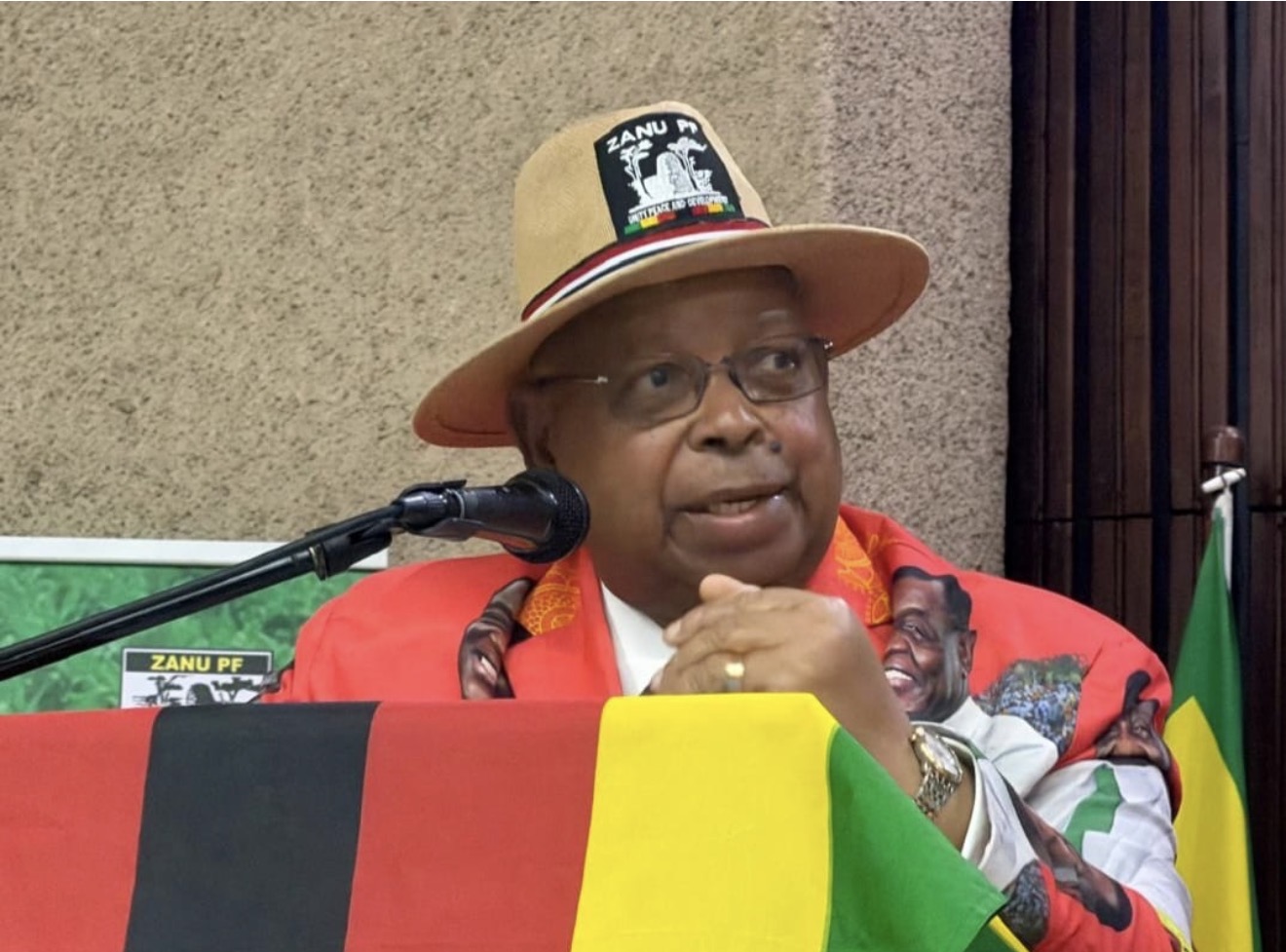
It is within this context that constitutional commentator Air Marshal (RTD) Henry Muchena, speaking to Ignite Media, warned that any attempt to sideline or weaken constitutional provisions must be viewed with seriousness, given Parliament’s central legislative role in safeguarding governance processes.
Muchena cautioned against what he described as an “over-ambitious drafting culture” and pointed to growing concerns around the influence of certain political actors. He suggested that there appears to be a coordinated push by a group surrounding the President, which some observers interpret as advancing a broader, more troubling agenda.
These sentiments have been echoed widely in public discourse, where sections of society have begun framing recent developments as indicative of possible state capture, raising alarm over what they see as a threat to both legal and legislative independence.
Fueling this debate is a high-profile financial pledge by businessman Wicknell Chivayo, who has announced a US$3.6 million donation to Parliament.
According to his Independence Day statement, the funds are to be distributed equally among the country’s 360 Members of Parliament and Senators, with each legislator receiving US$10,000 earmarked for constituency development projects.
The development has further deepened concerns among critics, who argue that it carries no clear legitimacy from the people and raises troubling questions about timing and intent. Coming at a time when the country is engaged in a constitutional consultative process, some observers view the gesture not as a neutral act of philanthropy, but as a calculated move that risks undermining public trust.
Chivayo indicated that the funds would be handed over to the Speaker of Parliament, with clear instructions that they be used in a manner similar to the Constituency Development Fund. He outlined intended areas of impact, including drilling boreholes, completing stalled infrastructure projects, constructing community markets, and improving access to clean water and sanitation services.
Framing the gesture as a unifying Independence Day initiative, Chivayo emphasised that the donation would be extended to all legislators regardless of political affiliation. He described it as an “olive branch” aimed at promoting inclusive development across all constituencies, arguing that every Zimbabwean community deserves to benefit from tangible improvements in social infrastructure.
However, the announcement has triggered a wave of mixed reactions. While some have welcomed the potential for community-level development funding, others have raised deeper concerns about the implications of such a donation.
Critics argue that private funding directed at lawmakers, especially on such a scale, risks blurring the lines between public duty and private influence.
To them, it signals possible mischief, an attempt to influence or sway legislators in subtle but significant ways. The equal distribution of funds to Members of Parliament and Senators has been interpreted in some quarters as bordering on inducement, with fears that it could amount to a form of indirect vote buying, particularly in a sensitive political environment where decisions of national importance are under discussion.
Such perceptions, whether proven or not, have the potential to erode confidence in both the consultative process and the independence of Parliament, reinforcing calls for greater transparency, accountability, and clear ethical boundaries between private interests and public office.
Across social platforms and public forums, questions have emerged around accountability, transparency, and the broader precedent being set. Some have gone as far as describing the development as a textbook case of state capture, suggesting that it undermines the independence of Parliament and could compromise its oversight role.
Others, however, have dismissed these concerns, arguing that donations are legal and, if properly managed, can complement government efforts in addressing development gaps.
The debate has also exposed a deeper dilemma, in a system where Parliament is expected to act as a check on executive power, what happens when legislators themselves become beneficiaries of private financial flows? As some commentators have pointed out, the very individuals tasked with initiating oversight or accountability processes may find themselves entangled in the benefits they are expected to scrutinize.
Beyond the legal arguments lies a broader question about governance culture and institutional integrity. Observers have questioned the optics of close associations between private individuals and high-level state actors, with some warning that such relationships, if not carefully managed, risk eroding public confidence in state institutions.
As the country reflects on its independence and the values it represents, this latest development has become more than just a financial pledge. It is now a litmus test for how Zimbabwe balances private initiative with public accountability, and how its institutions respond to evolving pressures in a complex political and economic landscape.


More Stories
Zimbabwe Marks 46 Years, But Where Are the Gains?
Salary Review Leaves Workers Reviewing Their Life Choice
Mugabe’s Son, Co-Accused Plead Guilty in SA Shooting Case