






By Shingirai Vambe
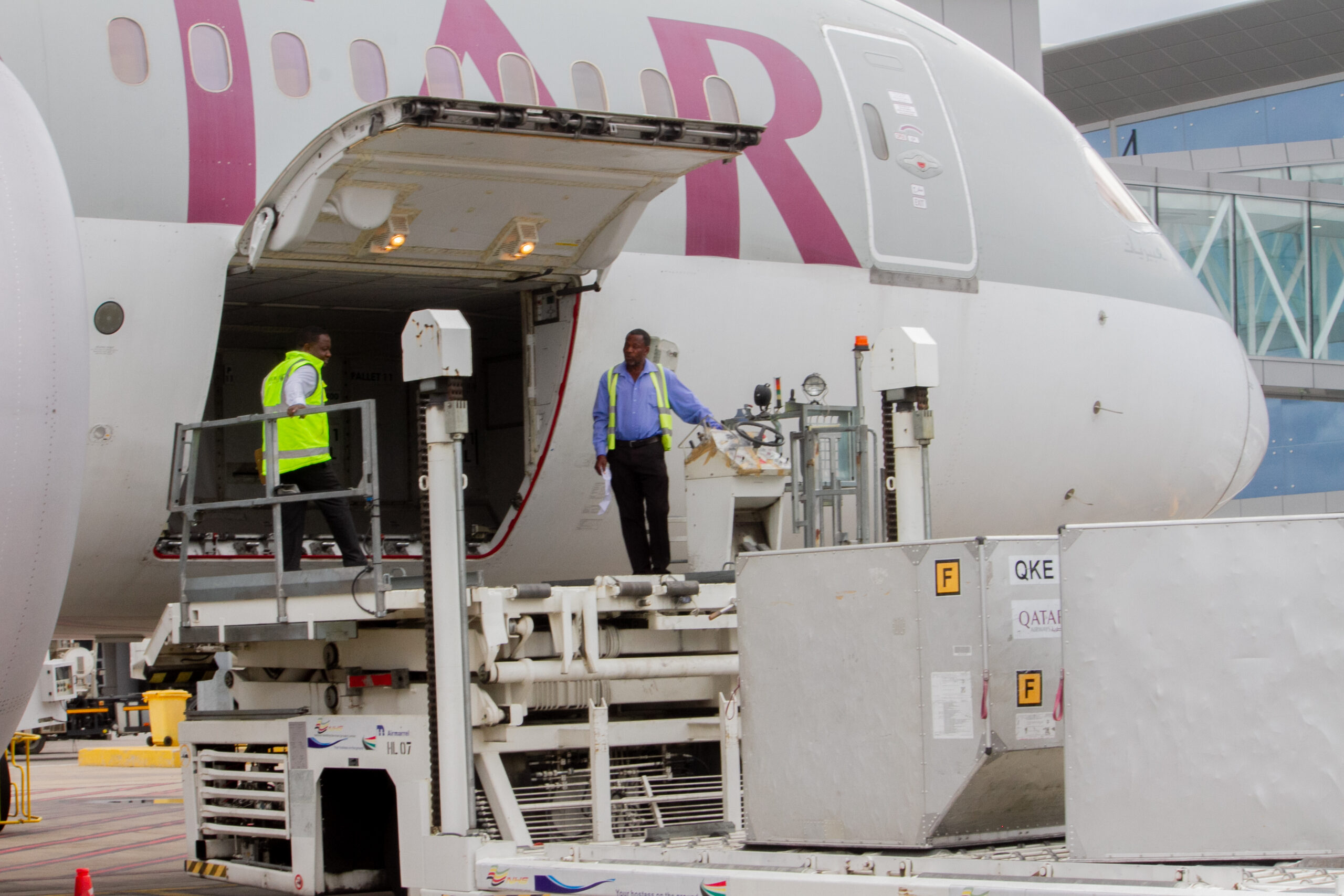
Bulawayo- The Airports Company of Zimbabwe (ACZ) is working towards developing a full-fledged cargo village at Joshua Mqabuko Nkomo International Airport.
This initiative is part of a broader airport modernisation drive, designed to create a dedicated, state-of-the-art logistics ecosystem that will serve as a catalyst for importers, exporters, and the national economy.
In an interview after touring the facility, spokesperson Tonderai Mangombe said they were planning to transform airport`s former terminal known as Mama Mafuyana into a full-fledged cargo village.
He said the airport handles significant cargo volumes especially beef and hunting trophies destined for Europe markets.
“The site will be home to cargo handlers Aviation Ground Services(AGS) and National Handling Service(NHS), as well as the Zimbabwe Revenue Authority (ZIMRA). Bulawayo handles significant cargo volumes, especially beef and hunting trophies destined for European markets.
“The infrastructure must support a cold chain for products like beef and horticulture. The structure is already there; we just need to add cold rooms and upgrade the facility,” he explained.
Mangombe said the cargo village is expected to catalyse regional trade and position the airport as a strategic logistics hub for southern part of the country.
He also highlighted that the airport is also now home to a national helicopter maintenance station, servicing air ambulances and other rotary aircraft across the country.
“The good news is that the helicopters used for emergency services have their maintenance contracts centralised here in Bulawayo. All helicopters across the country are being serviced right here at Joshua Mqabuko airport” the spokesperson said.
Mangombe also said top of the list is the construction of a modern air traffic control (ATC) tower, which will replace the aging structure that has become operationally inadequate.
The current ATC tower was built when the terminal was significantly smaller, resulting in limited visibility across the entire runway, he said.
“The tower which is being used was there when the terminal was small. It does not have a clear visual of all sides of the runway, especially now that we intend to increase the runway size. We need a tower that can offer a 360-degree view, ”said Mangombe.
The spokesperson they are also planning to construct an uplift catering facility, a move designed to localise in-flight meal preparation and reduce dependency on imported meals.
“With Ethiopian Airlines operating flights into Bulawayo, ACZ is planning to construct an uplift catering facility, a move designed to localise in-flight meal preparation and reduce dependency on imported meals.
“They currently bring their own food in and take the same back to Addis Ababa. We want a setup like what we have in Harare where food can be prepared locally, enhancing business opportunities and reducing logistical overheads, ”Mangombe explained.
He also spoke about the country`s strict adherence to international aviation safety protocols, saying the country`s airports including Joshua Mqabuko are certified by Civil Aviation Authority of Zimbabwe(CAAZ) and regularly audited by International Air Transport Association(IATA).
“Some ask why we make passengers remove shoes, it’s about safety. Some shoes are designed to conceal weapons or drugs. Even in countries with advanced technology like China or the U.S., they still enforce this rule.
“We now operate as separate entities from CAAZ. They are the regulator, and we are the operator ending the conflict of interest that once existed. Our runways are certified, and our standards are audited regularly for compliance, ”Mangombe said.
He explained the economic implications of a thriving aviation sector, linking airport accessibility to broader development goals.
“One passenger creates a ripple effect six times the business. They’ll take taxis, eat local food, stay in hotels.
“Aviation is the gateway to the country. That’s why we are prioritising infrastructure development as part of the journey toward Zimbabwe’s upper-middle-income vision.
“This is not just about planes landing and taking off. It’s about creating a system that supports tourism, trade, emergency response, and national development all through the gateway of air travel,” said Mangombe.
About The Author





More Stories
A New Electronic Court System Can Bridge The Divide For People In The Countryside
ZSCA Steps Up-New PVO Status Ushers in Year of Empowerment for Zimbabwe’s Seniors
NetOne Clients Welcome Reverse Calling Service for Subscribers With No Airtime