





By Steve Ephraem
As dawn breaks in a suburb, a woman locks her front door and rushes to catch a pirate taxi into the city. Moments later, her neighbour emerges, securing his own home before heading off for the day. At dusk, a worker rushed to knock off and heads home.
The woman left all her indoor and outdoor lights blazing. Her neighbour, meanwhile, departed with his television, satellite decoder, and music player silently humming on standby mode. The worker left unused machinery at her workplace on standby. It spent the whole night consuming power for nothing.
All three people share a common, defiant belief; they have paid for their electricity and see no reason to switch off unused gadgets and machinery, even when away from home or the workplace.
This attitude, however, is contributing to a national struggle. Such behavior amounts to a significant waste of power, a resource in critically short supply across Southern Africa. The end result is prolonged and disruptive load-shedding. National power companies intentional cutting of electricity to prevent the entire grid from collapsing under excessive demand.

Overburdening the national grid with unused power is seen not just as an act of ignorance, but of arrogance. Energy experts suggest that if all unused gadgets and machinery were properly switched off, the severity of load-shedding could be drastically reduced.
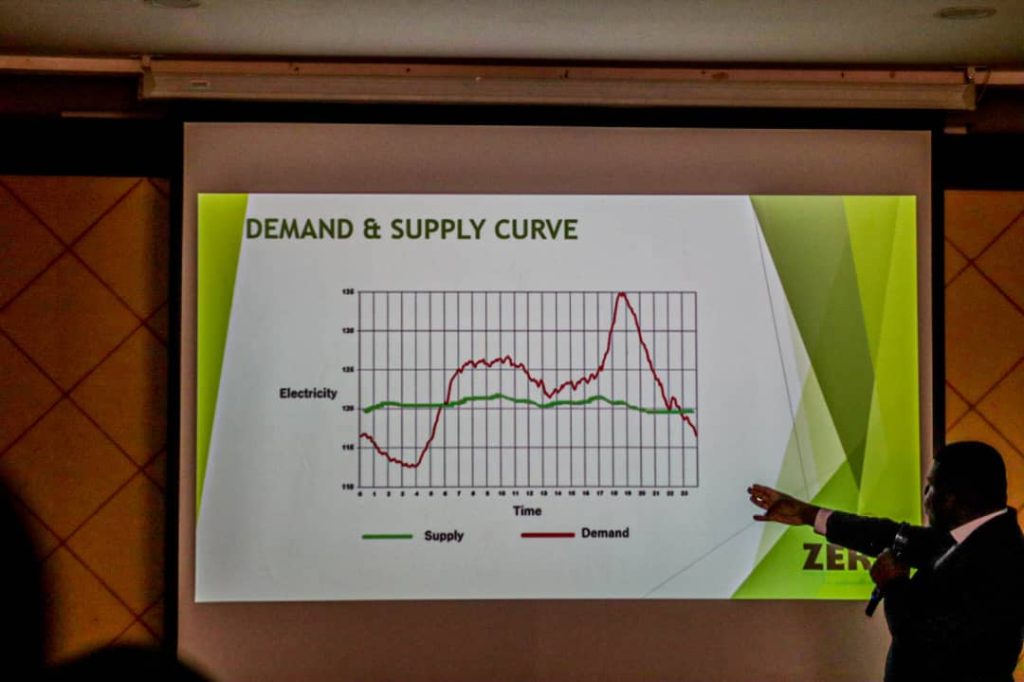
The scale of the challenge was laid bare by Engineer Keith Chikomo, the Zimbabwe Energy Regulation Authority’s Regional Operations Manager during a Media Engagement Workshop in Mutare recently when he presented that as of September 28, 2025, Zimbabwe faces a substantial electricity shortfall.
“Zimbabwe has a supply of 1,340 megawatts against a demand of 1,850, leaving a shortfall of 510 megawatts,” Eng Chikomo said.
He confirmed that this glaring discrepancy is precisely what is balanced out through the load-shedding schedule. This reality presents electricity consumers with a pressing question: “Is not the 510-megawatt deficit being worsened by the casual waste of leaving gadgets on standby?”
Compounding the issue is the source of the power. Most national grids in Southern Africa rely predominantly on fossil fuels for generation. This means that increased consumption leads directly to greater exploitation of finite resources. It prompts a sobering reflection on whether future generations will forgive today’s arrogance in wasting the electricity upon which their own future depends.
About The Author





More Stories
ZSCA Steps Up-New PVO Status Ushers in Year of Empowerment for Zimbabwe’s Seniors
Zimbabwe’s Enduring Economic Struggle Laid Bare as RBZ Cancels Licences of Two Major Building Societies
Small Bags, Huge Harvests, The Mushroom Venture Transforming New Zororo Sakubva