





By Shingirai Vambe
The National Employment Council (NEC) for Agriculture has embarked on a nationwide safety initiative aimed at addressing the growing number of road and on-farm accidents involving unlicensed or inadequately trained drivers operating agricultural machinery across Zimbabwe.
In a bold and proactive move, the council has engaged the Traffic Safety Council of Zimbabwe (TSCZ) and the Vehicle Inspectorate Department (VID) to conduct specialised training, awareness campaigns, and re-testing programmes for farm drivers. The initiative seeks to promote safety standards, compliance with road regulations, and responsible operation of machinery in the agricultural sector, one of the country’s largest employers and most critical industries.
Speaking during a two-day training workshop held in Harare, NEC Agriculture Chief Executive Officer David Madyausiku said the partnership marks a significant milestone in improving occupational safety and professionalism in the sector. The workshop, attended by agricultural sector members, councillors, and designated agents from across Zimbabwe, focused on labour laws, job evaluation, and the roles and responsibilities of designated agents, among other topics.

Madyausiku highlighted that the rise in accidents on farms, many of which result in serious injuries and fatalities, has become a cause for concern. He noted that the majority of farm operators and workers do not possess valid driver’s licences, yet they regularly operate vehicles such as tractors, lorries, and motorbikes, often with limited understanding of road safety protocols or mechanical maintenance requirements.
“Many of our farm operators have grown up in the farming environment and have learnt to operate these machines through experience rather than formal training,” Madyausiku explained. “While this has helped sustain operations over the years, it has also contributed to a worrying increase in accidents, both on farms and on public roads.”
“As NEC Agriculture, we have seen it prudent, to take this bold step to empower our employees and train them,” added Madyausiku.
He added that many of the machines used in agricultural operations are poorly maintained and lack essential safety features such as reflectors, headlights, and signal indicators, increasing the risk of collisions, especially when farm vehicles enter or exit main highways.

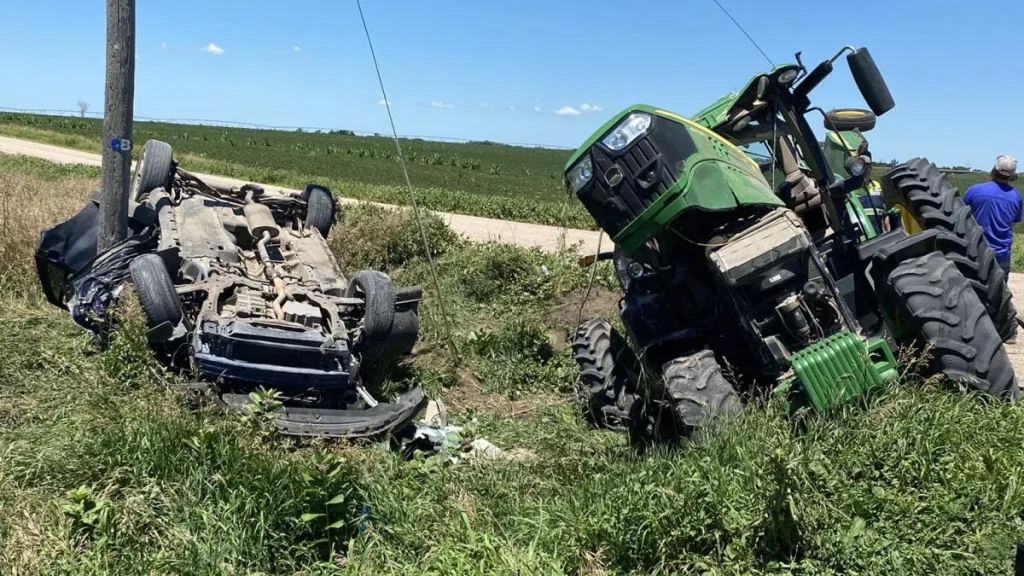
Recent statistics from provincial authorities have shown a steady increase in road accidents involving farm equipment, particularly during the planting and harvesting season when activity peaks. In several instances, farmers and workers have lost their livestocks, human life and or sustained permanent injuries due to avoidable mishaps, including rollovers, collisions, and mechanical failures.
Madyausiku said the NEC Agriculture’s collaboration with the TSCZ and VID will involve structured training programmes, licensing drives, and on-site safety inspections to ensure that operators meet minimum competency standards. The plan will also extend to awareness workshops for employers, encouraging them to invest in worker safety and compliance.
“Our goal is to reduce accidents, save lives, and improve productivity,” he said. “We want every farm operator, regardless of their background or experience, to understand that safety is not optional, it’s a shared responsibility.”
He further urged farm owners and agricultural companies to support the initiative by allowing their workers to undergo the required training and retesting, emphasizing that a culture of safety will not only protect workers but also enhance operational efficiency and reduce financial losses from damaged equipment or compensation claims.
The partnership comes at a crucial time when the agricultural sector is playing a central role in Zimbabwe’s economic recovery efforts. As farming activities expand and mechanisation increases, experts say such interventions are necessary to balance productivity with safety.
About The Author





More Stories
A New Electronic Court System Can Bridge The Divide For People In The Countryside
ZSCA Steps Up-New PVO Status Ushers in Year of Empowerment for Zimbabwe’s Seniors
Drama unfolds as people receive the presidential inputs in Mutanda Rural District Ward 34