





By Shingirai Vambe
There was a time, not too long ago, when the rhythm of labour relations in Zimbabwe was defined almost entirely by conflict. Factories, farms, and emerging industries echoed with the footsteps of workers marching to union meetings, and the halls of labour courts were perpetually crowded with disputes over wages, safety concerns, and unfair practices. It was an era when labour unions were at the forefront, battling for dignity, demanding safe working conditions, and carving out a space for workers in a rapidly industrializing economy.
As industries expanded and new sectors emerged, the demand for labour representation grew just as quickly.
Disputes were common, and the resolution of those disputes became a full-time occupation for many officials, lawyers, and union representatives. Employment, in a strange way, was created out of conflict, and conflict seemed to define the workplace.
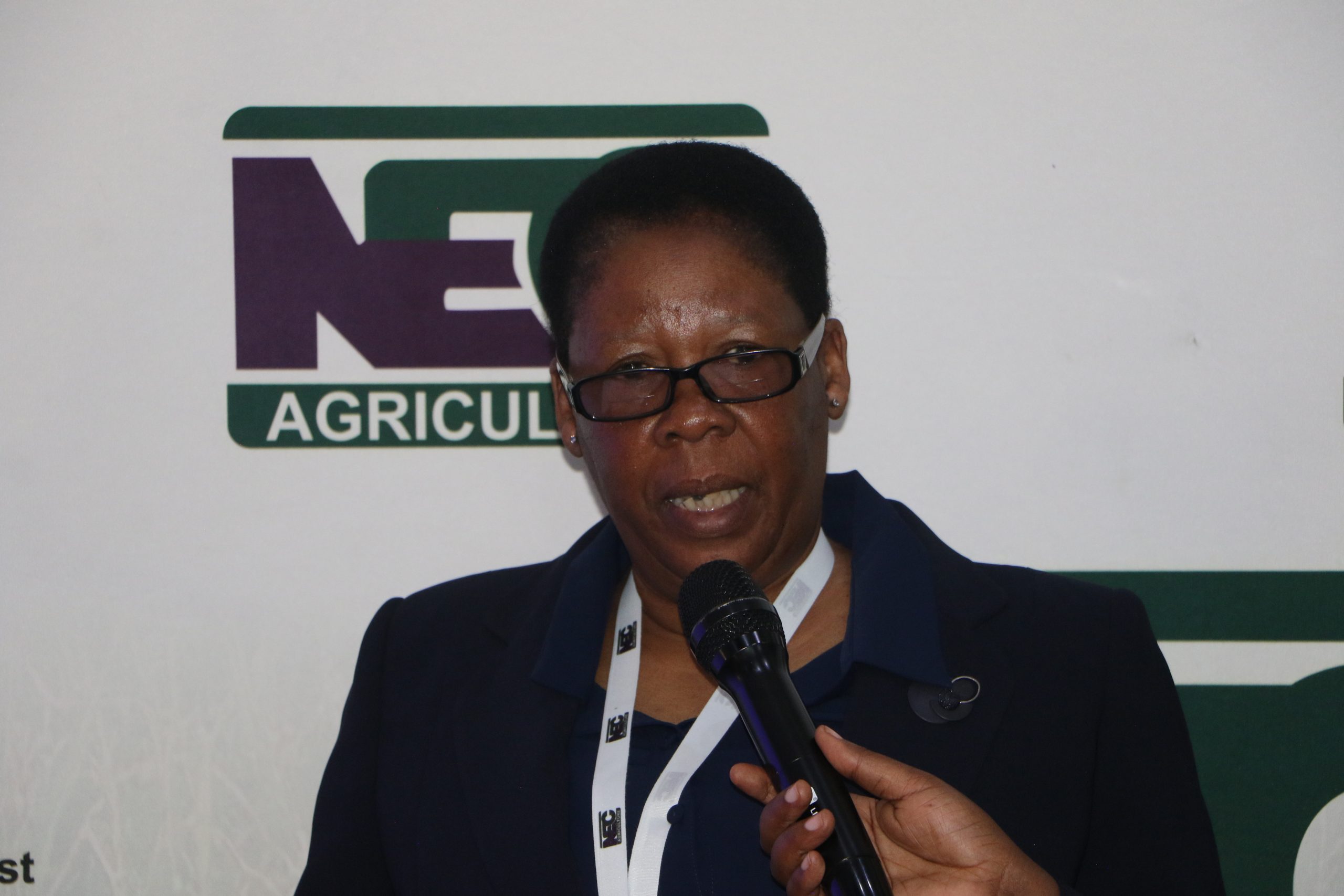
With the promulgation and establishment of National Employment Councils (NECs), a more structured system began to take shape. These institutions introduced a framework that brought order where chaos often reigned.
NECs became responsible for pegging salaries, setting working conditions, and ensuring that both employers and employees operated under clear, fair, and enforceable guidelines. Over time, they evolved into guardians of harmony within various sectors.
Today, those councils continue to work tirelessly, striving to maintain balance in workplaces across the country. And nowhere is this shift more evident than within the NEC for Agriculture the biggest NEC in Zimbabwe.
During a series of capacity-building trainings that brought together designated agents, labour unions, and councillors, a new narrative began to unfold, one that signals a departure from the past. These sessions were not focused on battles or disputes, but on cooperation, understanding, and preventative governance.
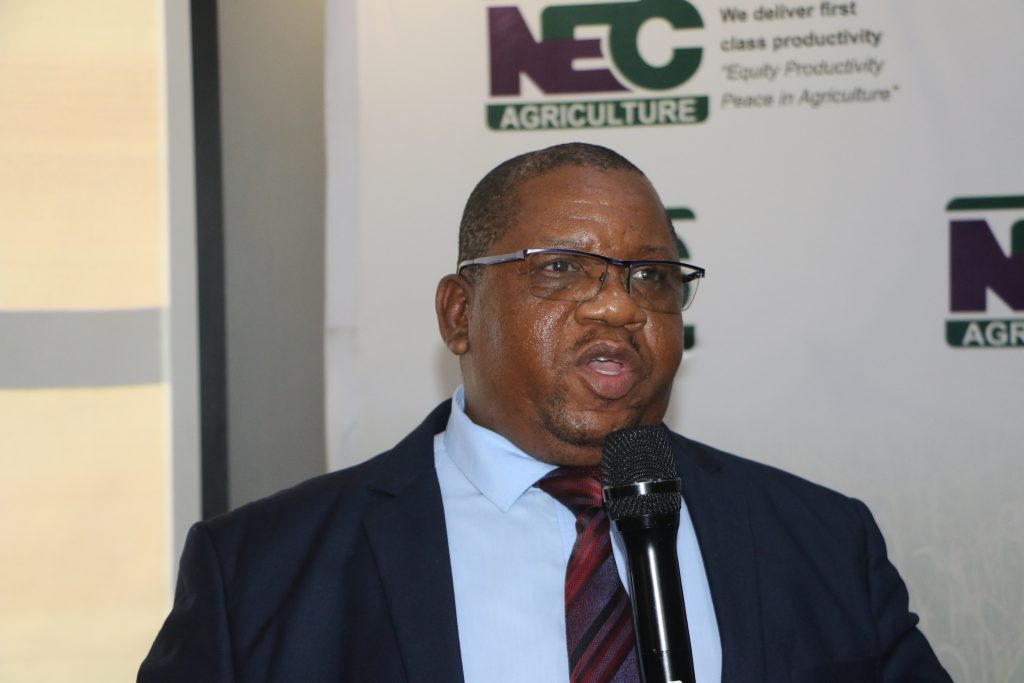
Addressing delegates at a local hotel in Harare, NEC Agriculture CEO David Madyausiku captured this transformation in a simple but powerful declaration, “The time for disputes and dispute resolution is over.”
He paused, letting the words settle over the room. Then he continued, “How can we achieve Vision 2030 if we are always in conflict? There must be a shift toward corporate governance, strengthened by specialised training for designated agents and councillors. Most cases that come before us appear to be disputes, yet many are merely administrative issues, problems that can be solved easily without draining resources or escalating tensions.”
His message was clear, the future of labour relations in agriculture, and across the nation, depends on collaboration rather than confrontation.

Madyausiku emphasized that corporate governance, once dismissed as a technical or elitist concept, is now essential knowledge for everyone involved in labour administration. Whether in social circles, private companies, or public institutions, governance shapes culture, guides conduct, and ensures accountability. Without it, organisations drift. With it, they grow.
Held at a Harare hotel, the training brought together designated agents, councillors, and labour union representatives for a transformative engagement facilitated by seasoned experts Samson Mugumisi, Zack Murerwa, and Dr. Garauzive.
These three facilitators, each respected in labour administration, dispute management, and organisational governance, guided participants through intensive modules designed to reposition how labour relations are handled in the agricultural sector.
The facilitators reinforced this message throughout the sessions. Mugumisi, drawing from years of experience in labour negotiations, underscored the importance of clear communication and documentation, noting that most conflicts arise from gaps in administrative processes rather than malicious intent.
Zack Murerwa unpacked the principles of corporate governance, explaining how ethical leadership, accountability, and transparency form the backbone of modern labour relations while Dr. Garauzive provided a systems-based perspective, illustrating how governance failures at organisational level often manifest as unnecessary disputes at the NECs.
The delegates engaged deeply with practical case studies, role-plays, and scenario-based exercises that demonstrated how early intervention and administrative efficiency could prevent many grievances from escalating into formal disputes. What once would have been referred to litigation or arbitration was instead addressed through dialogue, documentation, and structured internal processes.
The training marked a significant shift, from firefighting to prevention; from hostility to cooperation; from ignorance to empowerment.
Corporate governance, long perceived as a concern only for boardrooms, was now being reframed as a vital tool for every workplace, including farms, estates, and agri-businesses. Whether in public institutions or private sector organisations, governance influences culture, shapes behaviour, and ensures fairness.
Participants carried a renewed understanding of their role in fostering harmony within the agricultural sector. A new chapter in labour relations has begun, and its success may well determine how strongly Zimbabwe progresses toward Vision 2030.
The era of routine disputes may not vanish overnight, but under the guidance of NEC Agriculture, and through the expertise of facilitators like Mugumisi, Murerwa, and Dr. Garauzive, a new foundation is being laid, one built on cooperation, dialogue, and shared vision.
About The Author





More Stories
Good Start, Grim Outlook
From Connectivity to Clean Cities, NetOne Takes Part in National Clean-Up Day
Anticipatory Health Action Activated in Masvingo After La Niña Flooding