





By Leeroy Mupariri
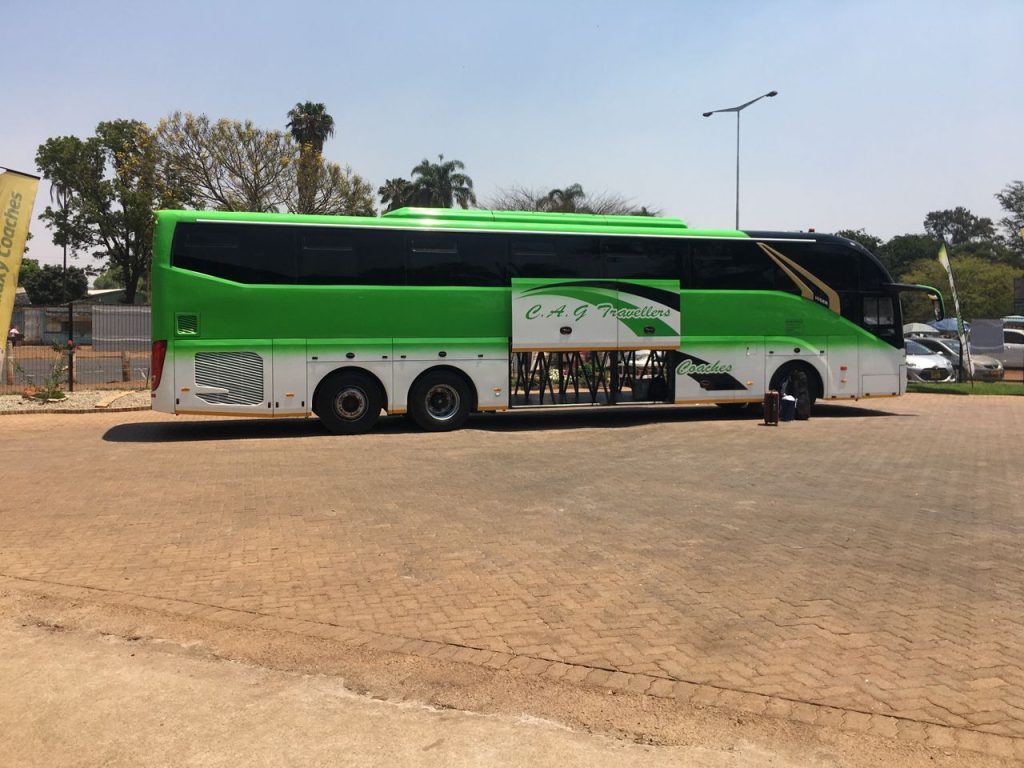
The tourism industry in Zimbabwe has endured significant setbacks, particularly in the domestic tourism sector, where the challenges faced by local travelers during festive seasons have cast a shadow over holiday plans. As citizens prepare for their annual breaks, few are eager to board buses for long journeys, despite the allure of adventurous views and unique experiences along the way. For many, the prospect of driving themselves to popular destinations like Victoria Falls comes with its own set of challenges, costly mechanical risks, fatigue, and the grueling reality of a journey that can stretch up to 20 hours from Harare.
Taking a flight to Victoria Falls is an option, but it remains prohibitively expensive for the average Zimbabwean. A round trip, including a taxi from the airport to the destination, can easily surpass $500, placing it out of reach for many. On the other hand, bus fares remain relatively affordable at around $25, yet the trade-off is the lengthy travel time and discomfort endured on the road. This stark contrast highlights the accessibility challenges that continue to hinder the growth of local tourism.
This newspaper’s recent journey to Victoria Falls, one of Zimbabwe’s most celebrated tourist destinations, revealed more questions than answers about the state of tourism infrastructure. Road construction work was visibly underway, yet progress seemed frustratingly slow, raising concerns about the efficiency and prioritization of such projects. Given that tourism is widely regarded as a cash cow for Zimbabwe’s economy, the protracted delays in improving critical road networks beg the question, why is more not being done to facilitate smoother and safer travel for domestic tourists?
The situation underscores a pressing need for accelerated infrastructural development and strategic investment to ensure that Zimbabweans can comfortably explore their own country. Without addressing these fundamental barriers, the tourism sector risks continued stagnation, limiting its potential to contribute meaningfully to economic recovery and growth.
About The Author





More Stories
A New Electronic Court System Can Bridge The Divide For People In The Countryside
ZSCA Steps Up-New PVO Status Ushers in Year of Empowerment for Zimbabwe’s Seniors
NetOne Clients Welcome Reverse Calling Service for Subscribers With No Airtime