





By Shingirai Vambe in Zambia
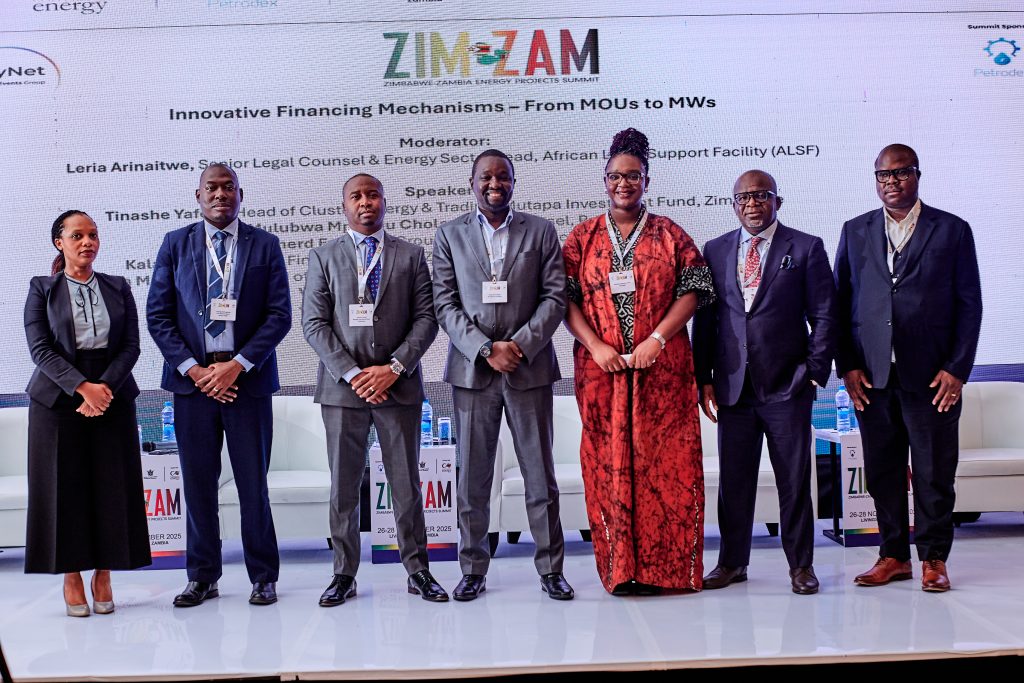
The curtains came down on a three-day regional summit in Livingstone, Zambia, where Zimbabwe and Zambia reaffirmed their commitment to securing one of the most vital assets for national and regional development: energy. The ZIM-ZAM Energy Summit, now growing into a flagship bilateral platform, brought together government officials, regulators, financiers, investors, independent power producers, and technical experts from across the region.
Held under a theme centred on accelerating energy security and unlocking private-sector-driven power expansion, the summit provided a rare space for frank discussions, strategic alignment, and shared accountability as both nations pursue surplus power by 2030, “Mines and Energy, How Stakeholders Have Fast-Tracked Private Sector Projects to Become Africa’s Top Investment Destination”
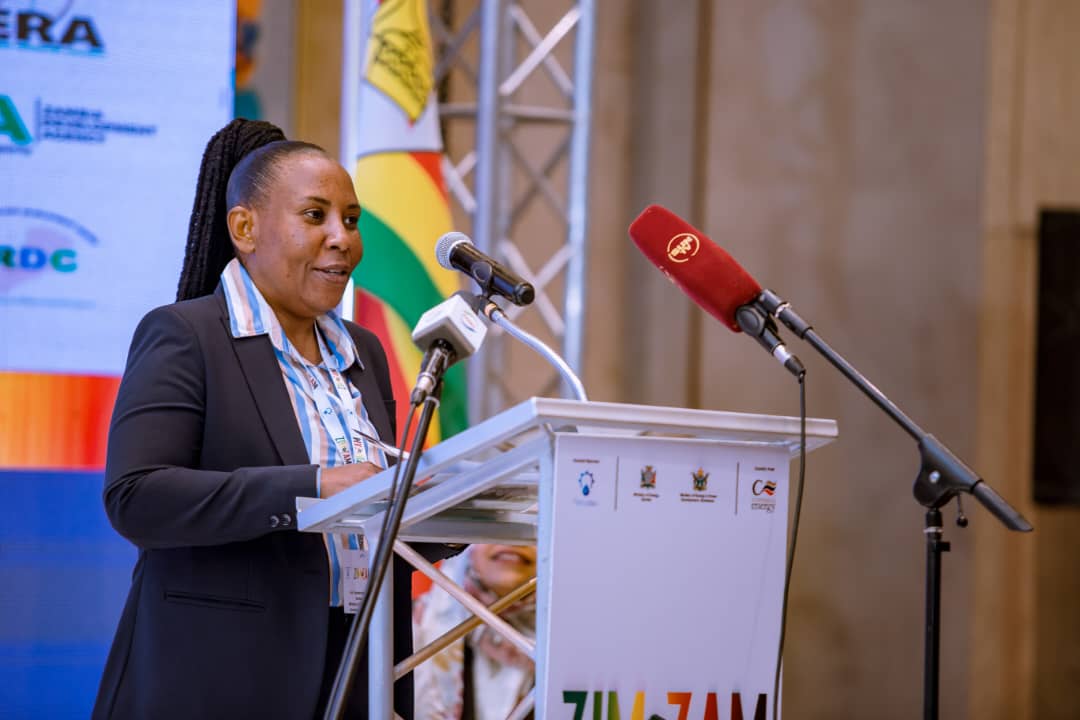
Throughout the summit, officials from both countries reported significant progress in policy reforms, regulatory realignments, and infrastructural upgrades. Yet one issue overshadowed nearly every technical presentation and panel, the persistent funding gaps crippling energy projects in both Zimbabwe and Zambia.
For years, governments have cited financing as the core constraint preventing the completion of critical solar farms, mini-hydro plants, grid-expansion programmes, and large-scale generation projects. But at this year’s gathering, financiers and investment experts challenged that narrative.
Funders and investors, representing international banks, development finance institutions, venture capital, and commercial lenders, delivered a unified message, money is not the problem. According to them, capital is available, and in large volumes, for African energy projects. The real bottleneck lies in the quality of proposals submitted by project developers.
Swedish financier, Sasha Nulliah (FMO) told this publication that it was interesting to hear from the experience of the local financiers, shaping and or tailor make a financing model that will support Zambia and Zimbabwe at the same time calling for local developers to team up with good advisers to de-risk the project or team up with seasoned developers so that they produce better products..
They emphasized that many locally initiated energy projects are “dead on arrival” because they fail to address the most crucial component of financing: risk mitigation. Poor risk modelling, weak governance structures, inadequate feasibility studies, and incomplete technical or environmental documentation often result in rejections even before investors consider financial viability.
Representing Zimbabwe’s financial sector, ZB Financial Holdings CEO, Shepherd Fungura, told The Post On Sunday that meaningful transformation will require continuous engagement and capacity-building for local developers. He stressed that while innovation and ambition exist, many promising ideas collapse at the financing stage because project sponsors lack technical understanding of bankability requirements.
“Funding is available,” Fungura said. “What we need now is serious project preparation and training. Local investors must understand what global financiers expect, only then can we unlock the energy potential we keep talking about.”
From the Zambian side, energy officials noted that the stakes could not be higher. With nearly 40 million citizens across the two countries needing reliable electricity, the region represents both a developmental necessity and a massive commercial opportunity.
“For investors, this is not charity, this is business,” a Zambian representative highlighted. “The demand is here, the need is here, and the returns are clear. What we must fix is the way we structure and present our projects.”
Zimbabwe’s Permanent Secretary for Energy and Power Development, Engineer Gloria Magombo, echoed these sentiments, urging fellow policymakers to consider alternative financing approaches. She advocated for crowdfunding, blended financing, and innovative public–private partnerships as traditional lenders become increasingly cautious.
Magombo warned that failure to address the energy deficit had already resulted in the loss of jobs, weakened production lines, and disrupted value chains across the manufacturing, mining, and agricultural sectors. She noted that without bold reforms and smarter financing strategies, the region risks falling further behind in industrial competitiveness.
As the summit closed, delegates agreed on a set of priorities: enhance cross-border collaboration, harmonise regulatory frameworks, standardise project evaluation procedures, and intensify engagement between governments, private sector players, and financiers.
For Zimbabwe and Zambia, the ZIM-ZAM summit underscored a shared truth, energy is no longer just a development agenda, but an economic survival imperative. And with the window to 2030 fast approaching, both nations appear determined to close the gap between ambition and action.
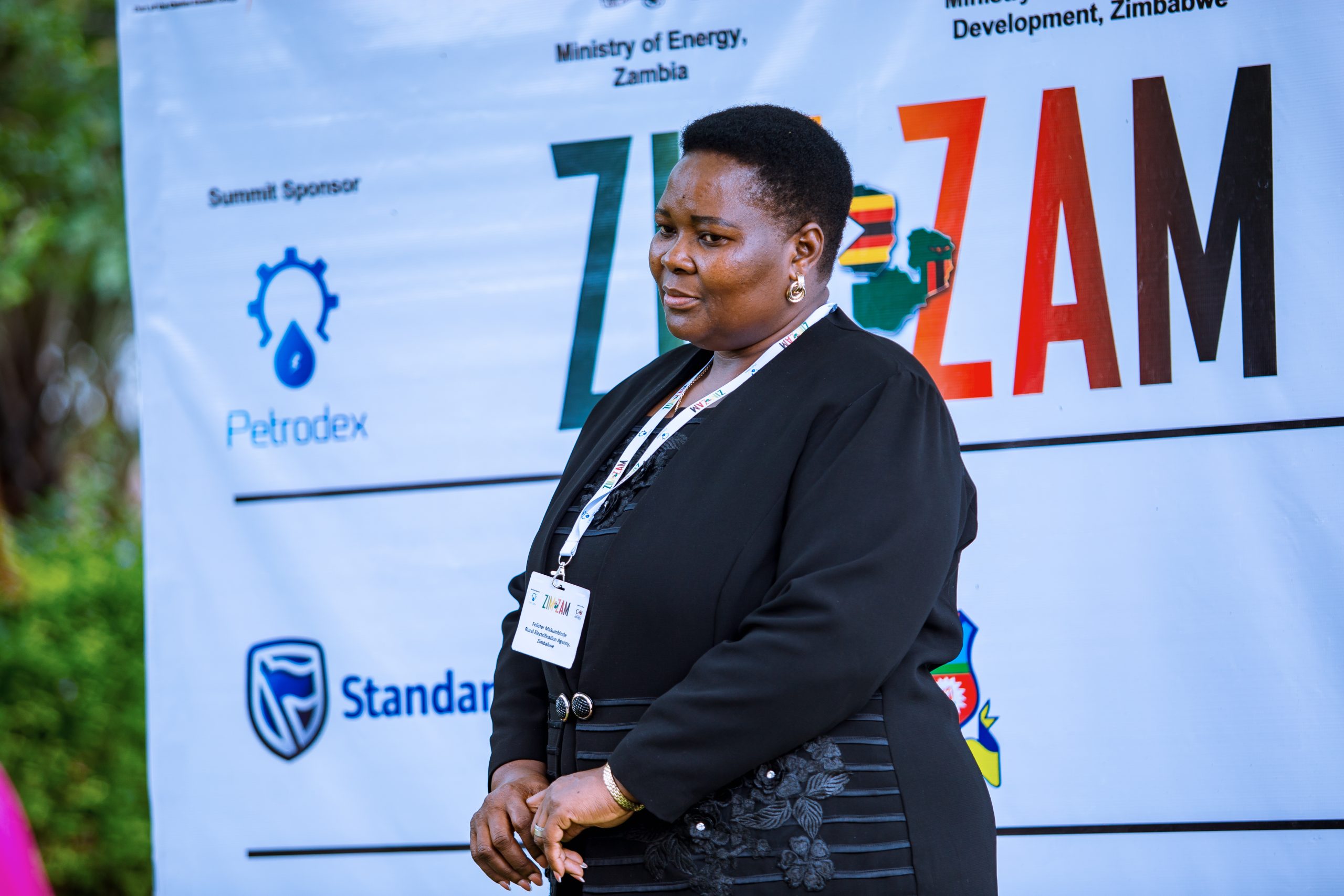
Rural Electrification Agency (fund), Finance Director & Acting CEO, Felisters Makumbinde told the Post On Sunday that for the country’s 38 percent rural community, need electricity, they need connectivity, in the drive towards digitization and digitization thus as a department all the feasibility studies, guidelines and project lines are in place for investors and funders to come and explore on the opportunists and low hanging fruits in Zimbabwe.
Makumbinde added, she had the opportunity to submit projects that needs funding for the year 2026. 2465 rural schools and clinics in Zimbabwe, of that figure 427 solar systems will have to be constructed to electrify some of the schools and clinics, and needed are min-grids and micro-grids. Interested partners are free to come and REA can facilitate built, operate and transfers and partnerships, she said.
About The Author





More Stories
When Crime Captures the State, Madlanga Commission Sends Shockwaves Across the Region
Good Start, Grim Outlook
From Connectivity to Clean Cities, NetOne Takes Part in National Clean-Up Day