About The Author

 A New Electronic Court System Can Bridge The Divide For People In The Countryside
 ZSCA Steps Up-New PVO Status Ushers in Year of Empowerment for Zimbabwe’s Seniors
 Drama unfolds as people receive the presidential inputs in Mutanda Rural District Ward 34
 Cleared by Courts, Condemned by Residents, Rusape Council at Crossroads
 NetOne Clients Welcome Reverse Calling Service for Subscribers With No Airtime
By Shingirai Vambe
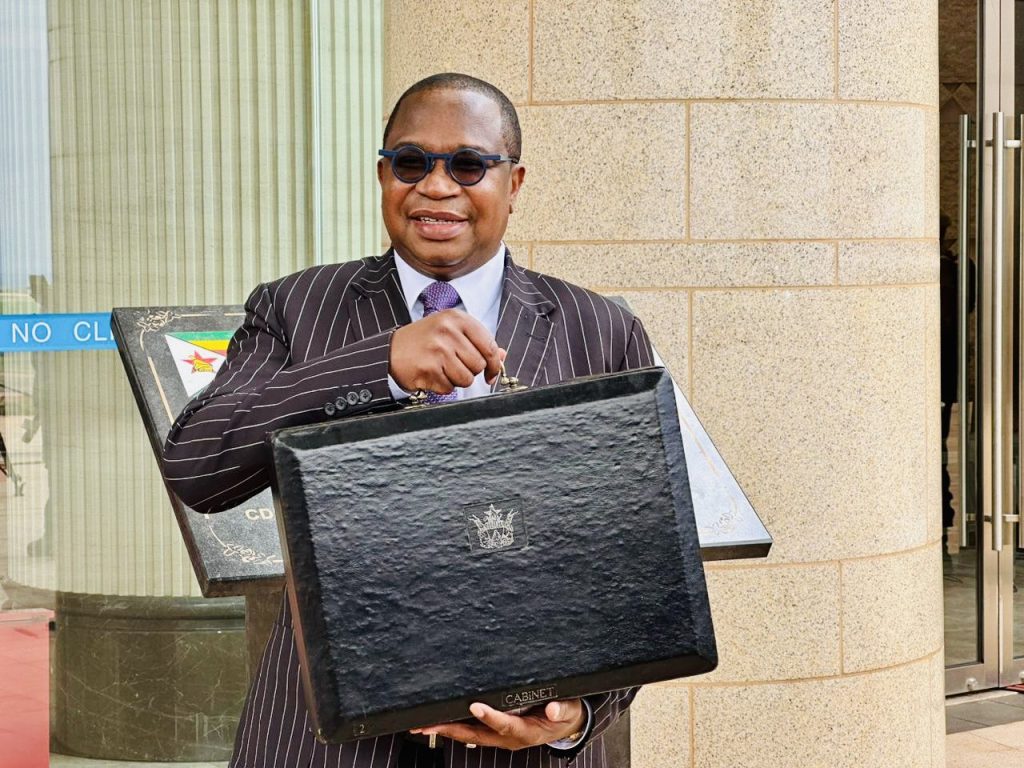
For decades, Zimbabwe’s national budgets have failed to align with the real needs of its people. Both the national and local government budgets have seen dramatic and relentless increases, particularly worsening after the change of administration in 2017. Rather than bringing relief or improving livelihoods, these budgets have consistently introduced new taxes and measures that place heavier financial burdens on ordinary citizens. The recent budget announcement, which saw the Value Added Tax (VAT) increase from 15% to 15.5%, is just the latest example of this upward spiral.
During his budget presentation, Finance Minister Mthuli Ncube outlined several new taxes and levies. However, these moves have drawn sharp criticism from economists like Gift Mugano, who describes the government’s approach as “artificial ignorance” (AI). While many may think AI refers to artificial intelligence, Mugano’s use of the term reflects a profound criticism of the government’s deliberate disregard for the harsh economic realities facing Zimbabweans. His sentiment reflects a growing perception that the government is out of touch with the daily struggles of its citizens.
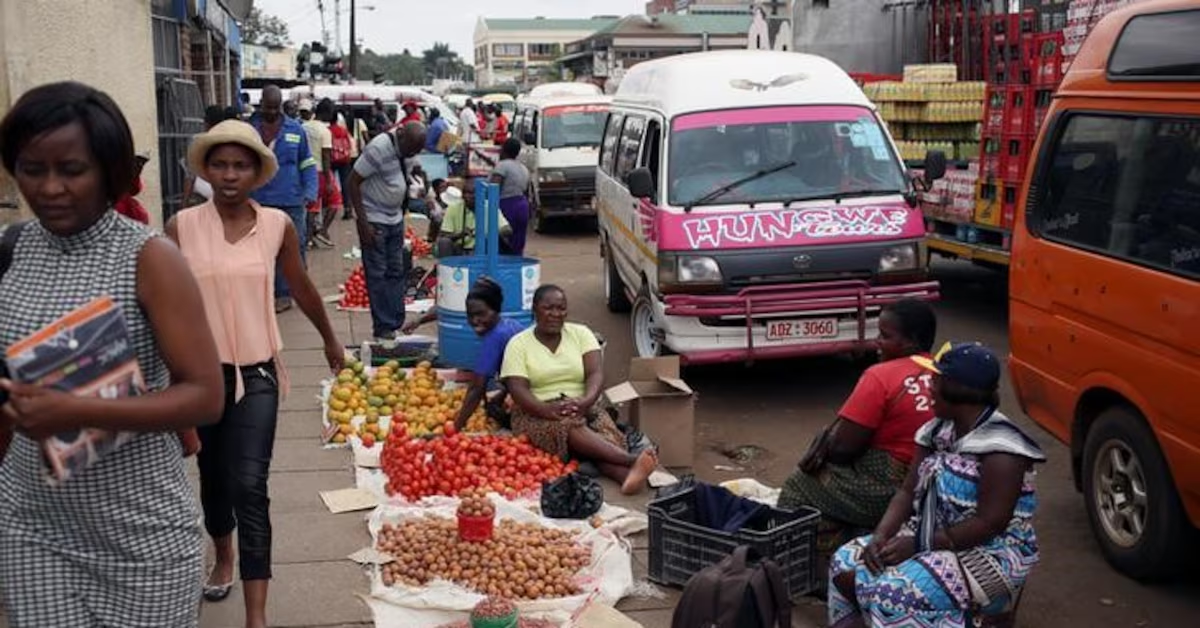
At the local level, the situation is equally grim. Local authorities exemplify the “rotten fish head” syndrome at the macro level, continuously raising levies, water bills, the cost of residential stands, and fees for other essential services. These hikes come despite the fact that salaries and incomes for most Zimbabweans have plunged drastically. Since 2016, average incomes have dropped by over 50%, yet the cost of living continues to soar unchecked.
Government workers, who once earned more than USD $600 monthly, now take home less than USD $400, and that includes their earnings in the local Zimbabwean dollar (ZWL). This erosion of purchasing power makes it increasingly difficult for families to cover basic expenses.
Adding further strain, Minister Ncube introduced new tax targets, including landlords, taxi and kombi operators, as well as grocery and clothing retailers. These sectors now face increased levies, including an additional 2% tax on bank withdrawals, imposed on top of already high and often unjustifiable bank charges. For ordinary Zimbabweans, these cumulative costs are squeezing an economy already struggling under weighty economic challenges, leaving many wondering how they will survive under such relentless fiscal pressure.
The Government continues to talk about recovery and growth, its budgetary policies seem to deepen the economic hardship of the people, pushing them further into poverty instead of lifting them out of it.



More Stories
ZSCA Steps Up-New PVO Status Ushers in Year of Empowerment for Zimbabwe’s Seniors
Drama unfolds as people receive the presidential inputs in Mutanda Rural District Ward 34
Cleared by Courts, Condemned by Residents, Rusape Council at Crossroads