






By Shingirai Vambe
Zimbabwe’s prolonged economic crisis and the mass closure of local industries have opened the floodgates to a wave of substandard goods on the market, products that not only fail to meet basic quality expectations but, in some cases, have proven dangerous. As locally manufactured items disappear from shelves and construction material imports surge without adequate quality control, consumers and property owners are increasingly bearing the cost of compromised standards.
In recent years, the Zimbabwe Electricity Transmission and Distribution Company (ZETDC) has recorded a growing number of fire incidents linked to electrical faults. Several homeowners have filed lawsuits and compensation claims after their houses were gutted by fires believed to have been triggered during load-shedding cycles. While ZETDC acknowledges that accidents occur, and has processed compensation in cases where its infrastructure was found at fault, a different and more troubling pattern has emerged in many of the reported incidents.
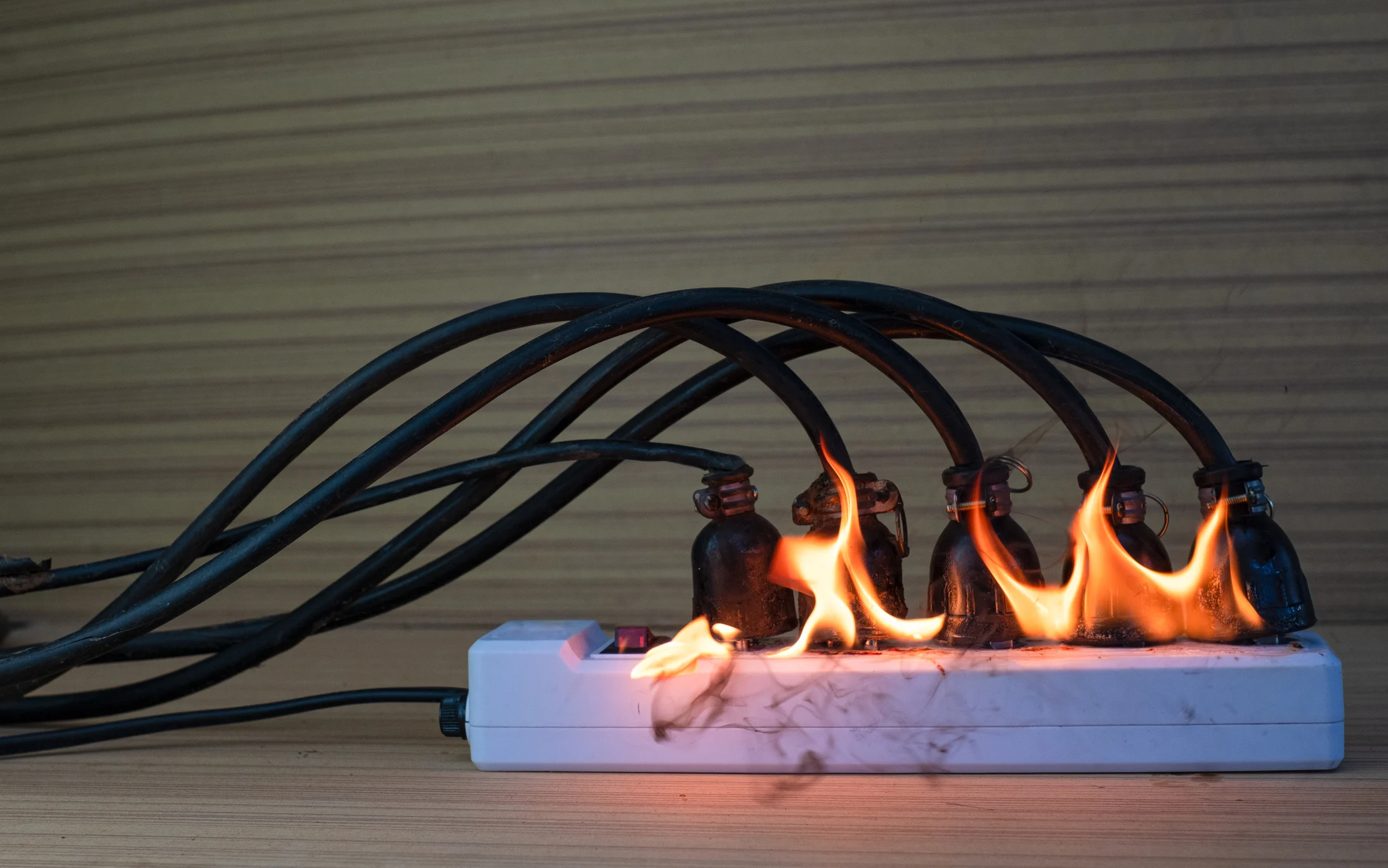
Investigations into several fire cases, according to officials familiar with the assessments, show that a significant number of properties were wired using substandard materials. These include low-grade cabling, counterfeit electrical tubing, and uncertified accessories that cannot withstand fluctuating current or the stress caused by frequent power outages and subsequent surges.
Electrical engineers and safety inspectors warn that these materials, often imported informally or sold cheaply on the streets, degrade faster than regulated products and are highly vulnerable to heat, moisture, and voltage fluctuations. In some homes, wiring melts under pressure, junction points fail, and insulation crumbles within months of installation, creating a silent but deadly hazard for families already struggling with economic hardship.
The rise of these unsafe products is partly a reflection of the country’s weakened regulatory framework. With many established manufacturers having shut down over the past decade, the market has been flooded with alternatives of questionable quality, brought in through porous borders or supplied by traders who operate without adherence to national standards. Construction industry players confirm that even large-scale civil engineering projects have occasionally been compromised by the use of inferior materials, raising fears about long-term structural safety.
For households, the choices are often limited. Cash-strapped property owners, desperate to build or repair homes, find cheaper materials more accessible, even when those options pose clear risks. And with minimal market surveillance, counterfeit electrical goods continue to circulate, undetected and unchallenged.
ZETDC officials say the rise in fire incidents should serve as a warning about the hidden dangers accompanying the country’s economic decline. They argue that while the power utility is responsible for maintaining safe and reliable supply infrastructure, property owners, regulators, and industry players also have a role in ensuring that installations meet national safety standards.
The Zimbabwe Regulatory Authority has, however, begun tightening oversight in an attempt to curb the influx of dangerous electrical materials on the market. In response to mounting fire incidents and public concern, the authority recently undertook a comprehensive assessment of cable manufacturers supplying the local industry.
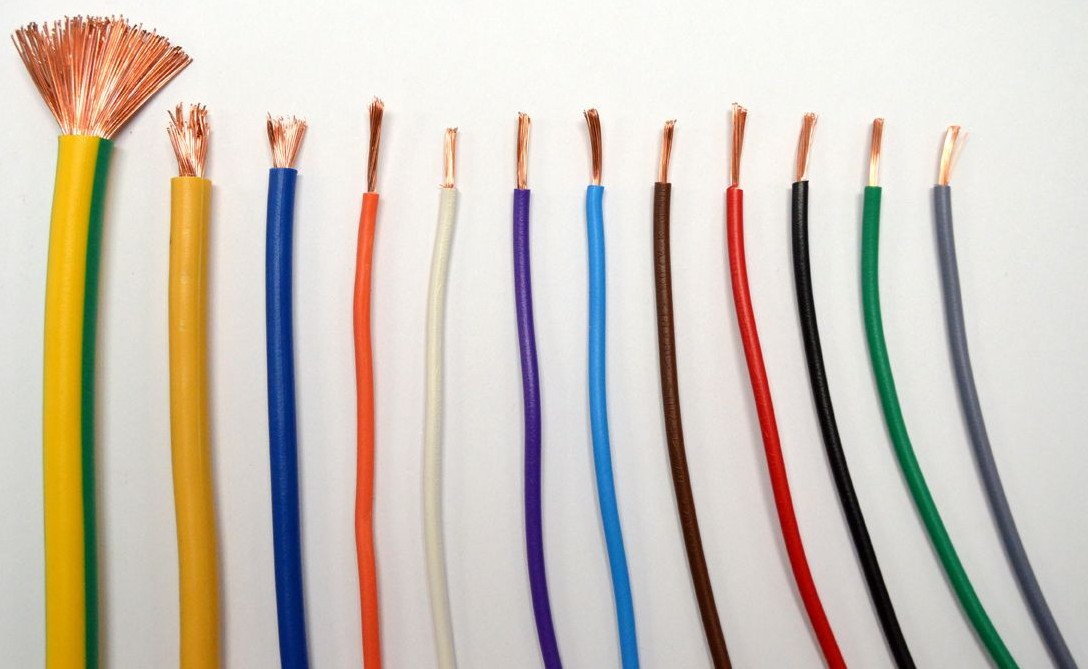
Eng Man’arai Ndovorwi, Technical Services Director, told the Post on Sunday Newspaper that, Following the evaluation, regulators granted approval to only 14 cable manufacturers, a list that includes reputable suppliers such as CAFCA Zimbabwe, ShenZhen Jainzhenda Wires and Cables of China, Nelkanth Cables of Zambia, Empire Cables of South Africa, and Power Engineering Cables (Pty) Ltd of Botswana, among others. These companies met the required standards for electrical safety, durability, and compliance with Zimbabwe’s technical specifications.
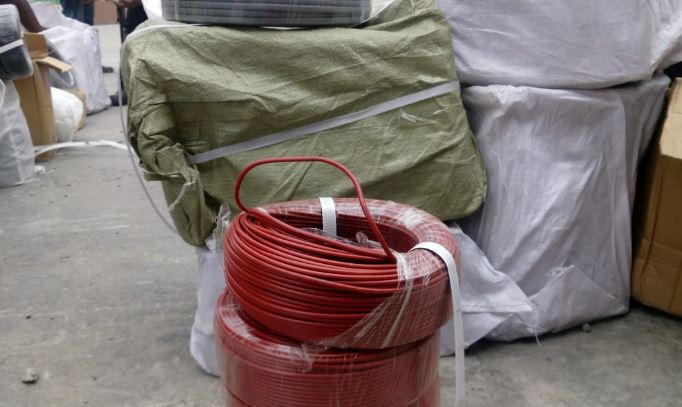
Crucially, the authority also declined certification for eight other manufacturers, effectively barring their products from entering or circulating within the Zimbabwean market. Officials say the rejected companies failed to meet critical safety benchmarks, particularly in insulation durability, conductor purity, and resistance to heat and voltage fluctuations, weaknesses that directly contribute to the fires and electrical failures increasingly reported across the country.
“The move marks one of the most decisive regulatory interventions in recent years, and industry stakeholders have welcomed it as a necessary step toward restoring order in a market long dominated by unregulated imports,” said Ndovorwi.
Despite this progress, inspectors caution that enforcement remains the biggest challenge. Substandard products continue to find their way into informal markets and some hardware shops, often sold at prices too tempting for struggling consumers to resist
The regulator’s recent actions highlight the extent to which Zimbabwe’s economic hardships have strained the country’s safety standards and infrastructure resilience. While approved manufacturers provide a pathway toward safer installations, the wider problem, a market saturated with cheap, uncertified goods, remains deeply entrenched.
About The Author





More Stories
A New Electronic Court System Can Bridge The Divide For People In The Countryside
ZSCA Steps Up-New PVO Status Ushers in Year of Empowerment for Zimbabwe’s Seniors
NetOne Clients Welcome Reverse Calling Service for Subscribers With No Airtime