




By Shingirai Vambe
Zimbabwe is increasingly charting a troubling path marked by contradiction, public frustration and what analysts describe as “institutionalised paralysis,” as individuals and private actors take centre stage in funding programmes traditionally expected of the State. From sponsoring national projects and social initiatives to filling gaps in political and community welfare systems, citizens and leaders across sectors are stepping in where government machinery appears weak or unresponsive.
For decades, the State has largely been reactionary, responding only when public outcry reaches crisis levels, rather than proactively fulfilling its constitutional mandate to provide affordable education, accessible healthcare, reliable infrastructure and a dignified quality of life. Whether one views the current administration as elected or imposed, its obligation to serve remains unchanged, yet the gulf between public need and policy action continues to widen.
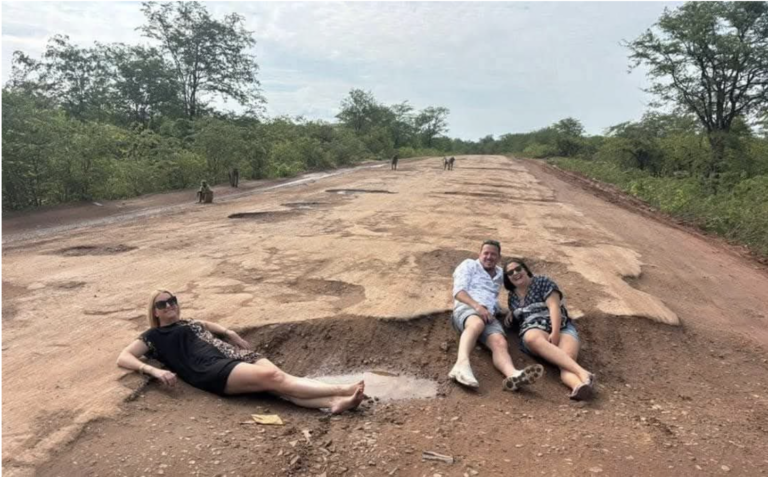
This pattern was once again exposed after images of three white tourists relaxing/sleeping inside a deep trench along the Bulawayo–Victoria Falls Highway spread widely on social media. What had long been a safety and economic hazard for locals suddenly became a national priority, prompting a delayed government response.
It took almost two years for reconstruction to finally commence. While progress is visible, the pace remains sluggish and far below public expectation. Among the contractors, only Bitumen World has been observed making consistent, rapid progress, while other companies are moving slowly despite the strategic importance of the highway, a key tourism corridor and commercial gateway.
Government ministries, departments and even private contractors are now intensely focused on this single project, yet 65 percent of Zimbabwe’s road network remains in disrepair, according to independent assessments. The concentration of resources on one high-visibility road underscores a broader failure to maintain nationwide infrastructure equitably.
The start of the rainy season has brought fresh despair. Zimbabwe has recorded some of its heaviest rains in a decade, with downpours destroying crops, community bridges, and vast stretches of tattered infrastructure. Rural districts, which make up the backbone of the agricultural economy, are the hardest hit.
During a visit to Chivhu in Mashonaland East Province, The Post On Sunday observed villagers effectively cut off from essential services. Residents said their daily economic activities had “come to a standstill” as private taxi operators struggle to navigate the deeply eroded roads. Some drivers have abandoned certain routes altogether, leaving entire communities without transport, access to clinics or reliable supplies.
“We cannot reach markets, schools or even the grinding mill,” one villager said. “These roads were already bad. The rains have finished everything.”
Approximately 40 percent of rural roads are now in critical condition, worsened by years of limited maintenance and washed away almost entirely by persistent rainfall.
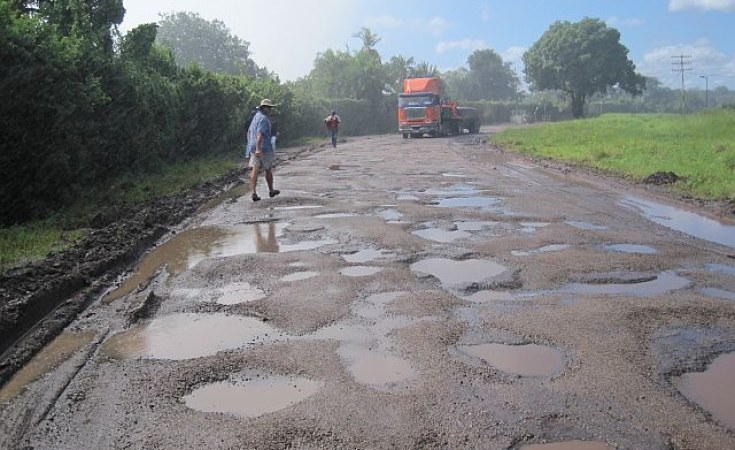
The crisis also reveals a painful cycle: roads repaired in previous years are collapsing again, often within months, due to poor workmanship, corruption in tender processes or lack of quality control. Highways in several provinces are dotted with large, hazardous potholes; some sections resemble open trenches, while others are barely navigable even for heavy-duty vehicles.
Despite repeated budget allocations, emergency interventions and high-profile launches, the road network continues to regress, raising questions about accountability, oversight and prioritisation at all levels of government.
With individuals, corporates, churches and even political leaders increasingly stepping in to provide social welfare and fund essential services, Zimbabwe’s public governance model faces renewed scrutiny. As infrastructure collapses and communities bear the brunt of delayed government action, the contrast between public expectation and State delivery grows sharper.
About The Author




More Stories
A New Electronic Court System Can Bridge The Divide For People In The Countryside
ZSCA Steps Up-New PVO Status Ushers in Year of Empowerment for Zimbabwe’s Seniors
Drama unfolds as people receive the presidential inputs in Mutanda Rural District Ward 34