





By Shingirai Vambe
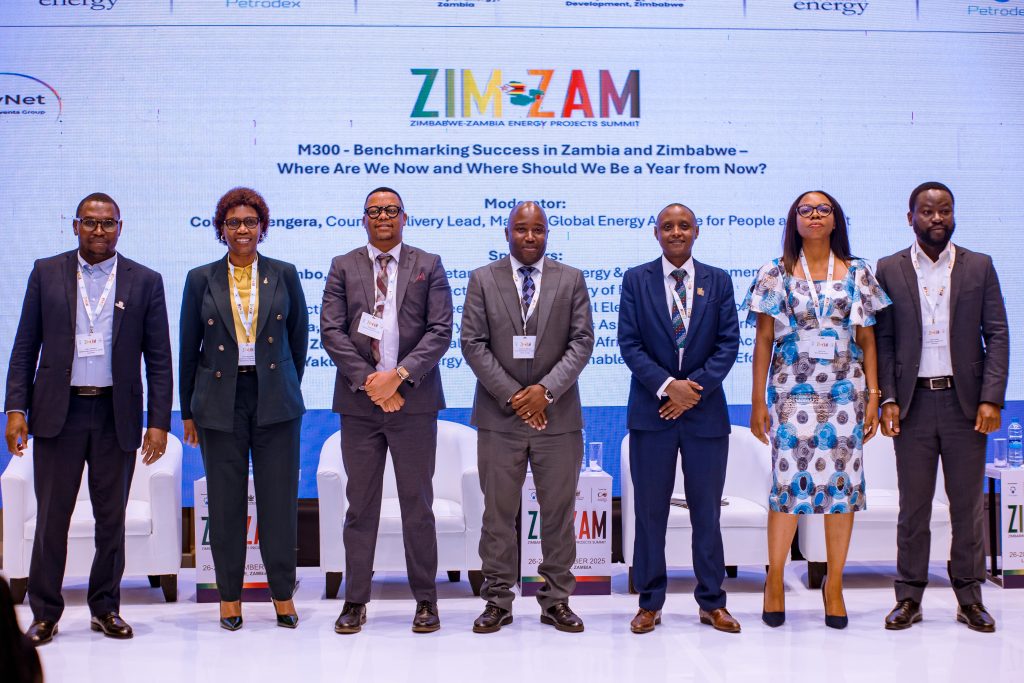
The 2025 Zim–Zam Summit in Livingstone, Zambia, brought renewed energy to the regional push for sustainable power generation, attracting an impressive lineup of new investors eager to tap into Southern Africa’s evolving energy landscape. Among the corporate giants, engineering firms, and independent power producers that attended, one participant stood out, not for industrial might, but for its growing financial ambition: the Anglican Church.
This year’s summit marked a notable shift, as faith-based institutions began to position themselves as players in power generation. The Anglican Bishop, Ignatius Makumbe who attended the conference made it clear that the church was no longer content with being viewed purely as a spiritual sanctuary or a refuge for the poor. Instead, he argued, churches could and should be central to economic development, especially in sectors where demand is high and access remains a critical bottleneck.
Speaking to The Post on Sunday on the sidelines of the summit, the Bishop said the energy sector, once considered the domain of governments, multinationals, and wealthy industrialists, is now an open field for any institution with vision and capital.

“The church is not for the poor, as many people assume,” he said confidently. “The church, too, can invest. Solar farms, hydro projects, these are not far-fetched ideas. We have the land, we have the people, and the resources are there. What is needed is the courage to step in.”
Makumbe was in Zambia with his church member, former ZESA employee, Engineer Kenneth Maswera who is helping the church to take the rising opportunities growing in the Energy Industry.
“Across the region, companies and organizations frustrated by persistent power shortages have taken matters into their own hands, constructing independent solar plants, mini-hydro stations, and backup systems to reduce reliance on erratic national grids. With the number we have, it is possible for Anglican Diocese to own a power generator,” he said.
The Bishop said the Anglican Church sees this moment as an opportunity, not just to strengthen its institutions but to contribute meaningfully to national energy needs while generating new revenue streams.
His remarks resonated with the broader theme of the summit, regional cooperation and private-sector innovation as the key drivers to solving the ongoing energy crisis. With Zambia and Zimbabwe both facing pressure to expand generation capacity and modernize transmission systems, the entry of faith-based actors into the energy market underscores just how urgent and lucrative the sector has become.
Beyond preaching and spiritual leadership, the institution is preparing to join a new frontier, one where renewable energy, not offertory donations, could become its most sustainable source of income.
About The Author





More Stories
A New Electronic Court System Can Bridge The Divide For People In The Countryside
ZSCA Steps Up-New PVO Status Ushers in Year of Empowerment for Zimbabwe’s Seniors
NetOne Clients Welcome Reverse Calling Service for Subscribers With No Airtime