



The Post On Sunday
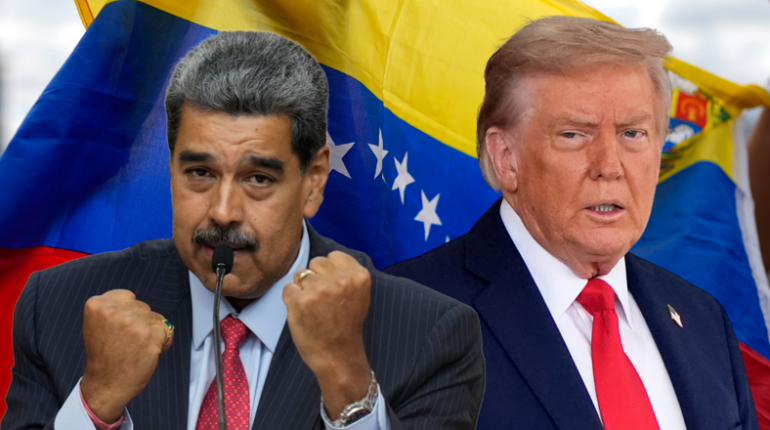
United States President Donald Trump and his allies have mounted a robust defence of Washington’s military action against Venezuela and the removal of President Nicolás Maduro from power, even as condemnation grows at home and abroad over what critics describe as a clear violation of international and constitutional law.
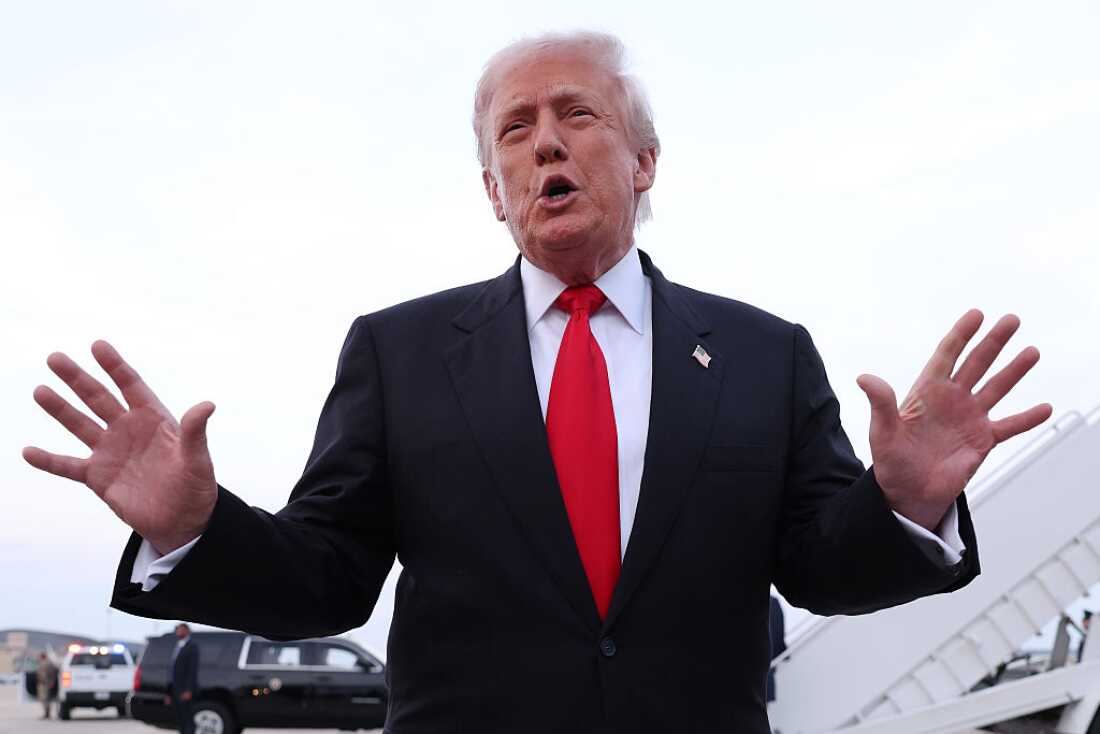
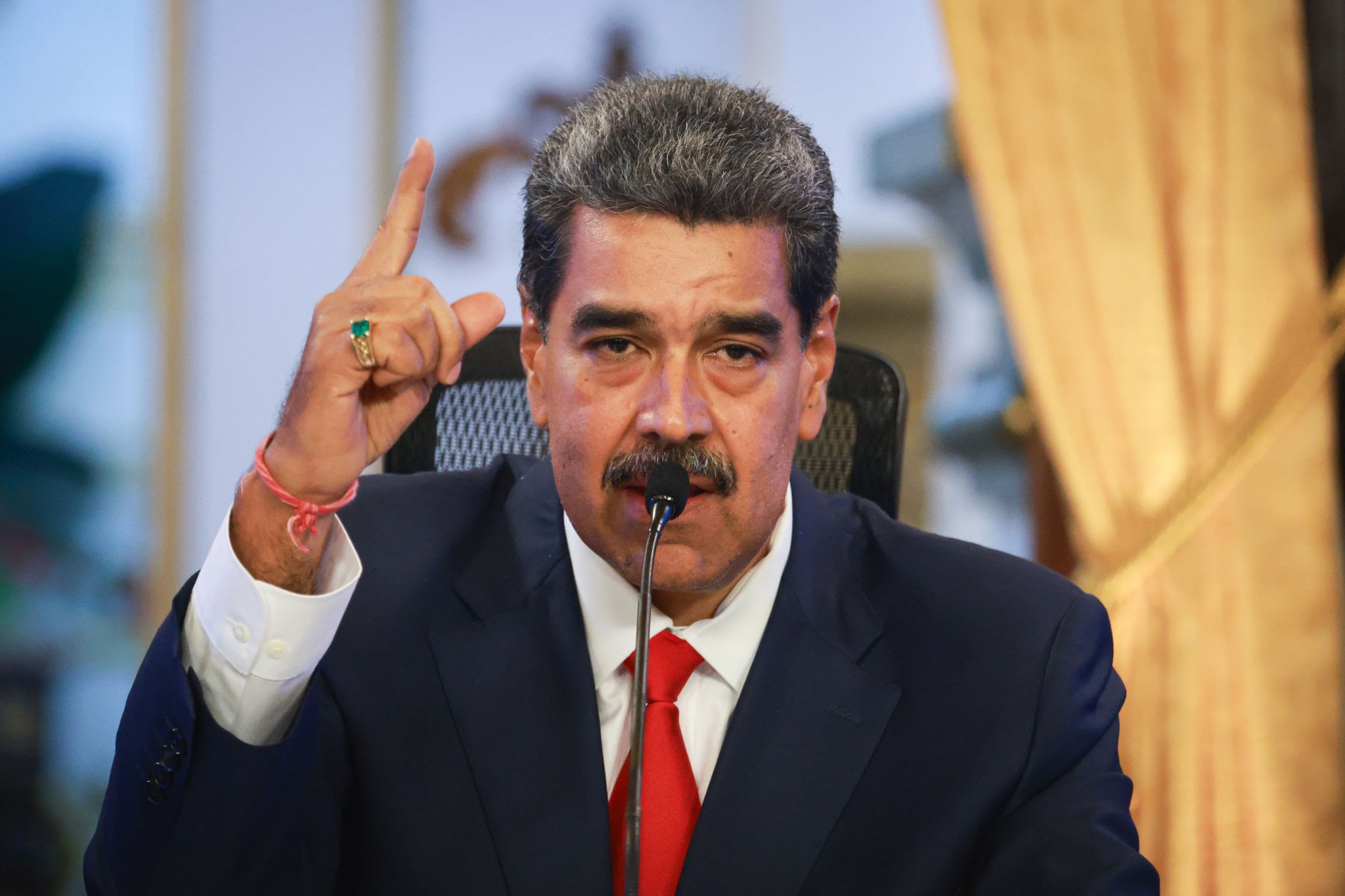
Speaking to reporters on Saturday, Trump claimed that Maduro had been “captured” following US military strikes on the Venezuelan capital, Caracas, asserting that the long-serving leader had overseen what he described as a “campaign of deadly narco-terrorism against the United States”. The president framed the operation as a decisive blow against organised crime and authoritarian rule, arguing that US intervention was necessary to protect American interests.
Trump further declared that the United States would temporarily “run” Venezuela during what he described as a political transition, promising Venezuelans a future that would be “rich, independent and safe” under new leadership aligned with democratic values.
The remarks immediately triggered widespread backlash from legal scholars, opposition lawmakers and international observers, who warned that the US actions represent a dangerous escalation and an unlawful use of force against a sovereign state.
Among the most vocal critics is Claire Finkelstein, a professor of law at the University of Pennsylvania, who dismissed the Trump administration’s legal justifications for the attacks and the seizure of Maduro.
“I don’t think there’s any basis under international law for the action that occurred overnight by the US government,” said Finkelstein describing the strikes as an “illegal use of force” and a “clear violation of Venezuelan sovereignty”.
She added that the removal of Maduro raises serious questions beyond state sovereignty, touching on personal jurisdiction and international legal protections afforded to heads of state.
“Maduro has personal jurisdiction rights,” she said. “So not only is it a violation of Venezuelan sovereignty, but it’s also a violation of his individual international rights.”
International legal frameworks, including the United Nations Charter, explicitly prohibit the use of force against another country except in cases of self-defence or with authorisation from the UN Security Council. Article 2(4) of the Charter states that all member states must refrain from the threat or use of force against the territorial integrity or political independence of any state.
Critics argue that the US action does not meet these criteria.
The military strikes followed months of escalating pressure from Washington against Maduro’s government. The Trump administration has repeatedly accused the Venezuelan leader, without publicly presenting evidence, of links to international drug trafficking networks.
During that period, the US carried out deadly strikes on alleged drug-smuggling boats in the Caribbean, seized oil shipments off Venezuela’s coast, imposed sanctions on members of Maduro’s family, and issued repeated warnings of potential military action.
Trump allies have openly celebrated the escalation. Republican Senator Tom Cotton, one of the president’s strongest supporters on foreign policy, claimed Maduro was not only an “illegitimate dictator” but also the head of a “vast drug-trafficking operation”, praising the move to remove him from power.
Before his capture, Maduro had rejected the allegations and said he was open to dialogue with the US on counter-narcotics cooperation. He had also repeatedly accused Washington of attempting to overthrow his government in order to gain control of Venezuela’s vast oil reserves, the largest proven reserves in the world.
Within the United States, Democratic lawmakers have questioned both the legality and the strategic wisdom of the operation. They have accused Trump of bypassing Congress and unlawfully engaging in acts of war.
Under the US Constitution, the power to declare war rests with Congress. While successive administrations have relied on expansive interpretations of executive authority during the so-called “war on terror”, critics argue that Venezuela poses no immediate threat that would justify unilateral military action.
Gregory Meeks, the ranking Democrat on the House Foreign Affairs Committee, said there was “no imminent threat” from Venezuela that could justify the strikes.
“These actions violate both US and international law,” Meeks said in a statement. “And by the president’s own admission, this is not a limited operation.”
Legal scholars have echoed those concerns. Finkelstein said the administration failed to demonstrate the urgency required to bypass congressional approval.
“It was an act of war against Venezuela,” she said. “And we did not have the kind of self-defence justification that would normally allow the executive branch to act without Congress.”
She further dismissed Trump’s plan for the US to administer Venezuela during a transition period as “incredibly illegal”.
“States have sovereignty rights. You cannot invade them and take them over,” she said. “Even if Maduro were to fall on his own, the United States would still have no legal right to run another country’s government.”
Analysts warn that the episode could have far-reaching implications for international norms, particularly in Latin America, a region with a long history of US intervention. Critics argue that such actions undermine democratic principles rather than promote them.
“Democracy is premised on the idea that people are sovereign and choose their own leaders,” Finkelstein said. “That is something the United States should be promoting, not undermining.”
About The Author




More Stories
Children Among Migrants as Zimbabweans Continue Southward Exodus Despite Official Growth Narrative
Nigeria Seal Last-16 Spot as AFCON Group Stage Takes Shape
Zelensky Meets Trump in Florida Amid Renewed Hopes and Relentless Attacks