





Senior Business Reporter
HARARE- Zimbabwe’s long-standing economic battle has once again been laid bare following the cancellation of operating licences for two major financial institutions, a development that has reignited debate over the health of the country’s banking sector and the heavy cost borne by ordinary citizens.
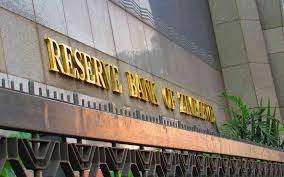
The Reserve Bank of Zimbabwe (RBZ) this week confirmed that it has cancelled the operating licences of ZB Building Society and FBC Building Society, marking a significant shake-up in the country’s financial and economic landscape.
The move, which takes effect immediately, comes at a time when The Post On Sunday has consistently reported on questionable banking practices, including illegal charges imposed in contravention of RBZ policies, a problem that has not been confined to banks alone but has also spread to microfinance institutions (MFIs).
While financial institutions continue to declare profits year after year, Zimbabweans remain trapped under crippling interest rates, punitive bank charges and limited access to affordable credit, deepening the economic divide between lenders and borrowers.
Economist, Gift Mugano, say the latest restructuring within the banking sector is not an isolated event, but rather a symptom of long-standing structural weaknesses that commercial and privately owned banks in Zimbabwe have faced “since time immemorial”.
Currency instability, inflationary pressures, declining savings and low consumer confidence have made it increasingly difficult for specialised banking institutions to survive, even as regulatory oversight tightens.
Against this backdrop, the RBZ’s decision to cancel the two licences has been presented as an administrative and strategic consolidation exercise, but analysts caution that it also reflects deeper systemic fragilities.
According to the RBZ Registrar of Building Societies, Mr Phillip Madamombe, the licence for ZB Building Society was cancelled following a voluntary surrender by its shareholders, ZB Financial Holdings Limited.
The group resolved to liquidate the building society and consolidate all banking operations under a single entity, ZB Bank Limited, in a bid to streamline operations and reduce operational and regulatory costs.
In an effort to reassure the public and prevent panic, the RBZ emphasised that ZB Building Society remains solvent and holds adequate liquid assets to meet all its obligations.
Customers were previously granted a 90-day window to migrate their accounts either to ZB Bank or to alternative financial institutions of their choice.
Despite these assurances, economists note that the closure of a long-standing building society raises uncomfortable questions about the sustainability of housing finance models in an economy where mortgage lending has become increasingly inaccessible to the majority.
In a parallel move, the RBZ revoked the operating licence of FBC Building Society following its formal merger with FBC Bank Limited.
The merger, which received approval from Finance Minister Professor Mthuli Ncube, will see the institution continue operating solely under the FBC Bank brand.
Authorities have described the development as a consolidation rather than a collapse, but market watchers argue it reflects a growing trend within Zimbabwe’s financial sector — where institutions are being forced to merge or restructure in order to survive.
For ordinary Zimbabweans, the developments offer little immediate relief.
Borrowers continue to face some of the highest interest rates in the region, while microfinance institutions, initially introduced to promote financial inclusion, have increasingly been accused of predatory lending practices that entrench poverty rather than alleviate it.
Critics argue that regulatory action has often been reactive rather than preventative, allowing banks and MFIs to push the boundaries of policy compliance while consumers remain largely unprotected.
“The system rewards financial institutions even in times of economic distress, while ordinary people absorb the shock,” said one economist student at the University of Zimbabwe, Tichaona Mazhandu, pointing to annual profit announcements by banks that stand in contrast to widespread economic hardship.
At the same time, Government has announced sweeping customs duty waivers aimed at stimulating activity in key productive sectors, including transport, mining and tourism.
While authorities insist the licence cancellations do not signal a banking crisis, the developments nonetheless expose the fragile balance sustaining Zimbabwe’s financial sector.
As institutions consolidate and regulators tighten oversight, the central challenge remains whether these reforms will translate into meaningful relief for consumers, through lower interest rates, fairer charges and genuine financial inclusion.
About The Author





More Stories
A New Electronic Court System Can Bridge The Divide For People In The Countryside
ZSCA Steps Up-New PVO Status Ushers in Year of Empowerment for Zimbabwe’s Seniors
NetOne Clients Welcome Reverse Calling Service for Subscribers With No Airtime