




By Senior Post reporter
Zimbabwe’s fractured opposition finds itself at yet another defining crossroads, torn between lingering mistrust, bruised egos and the urgent need for unity as the ruling establishment tightens its grip on the country’s constitutional order.
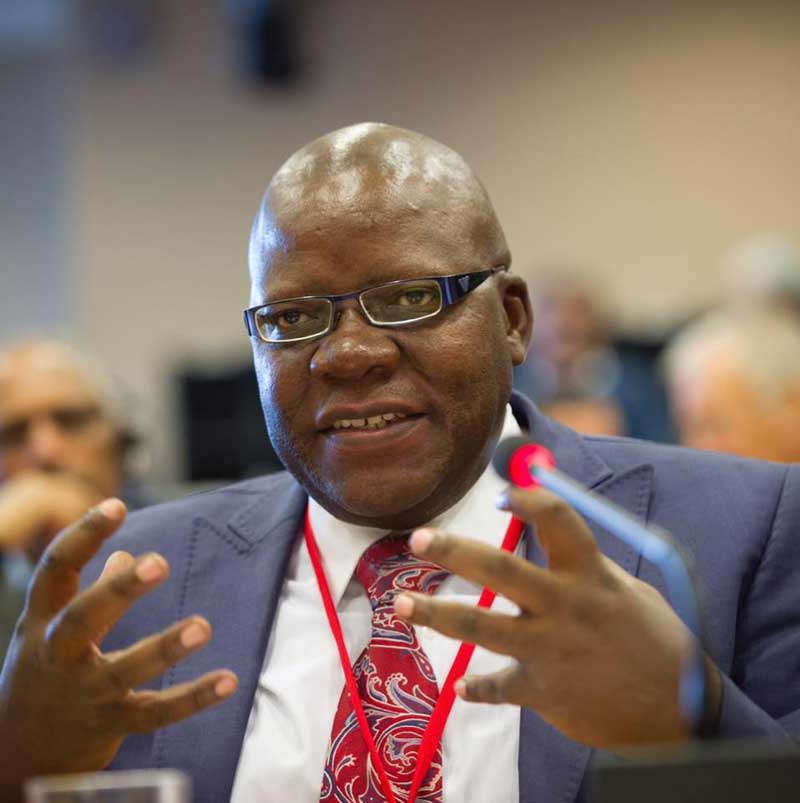
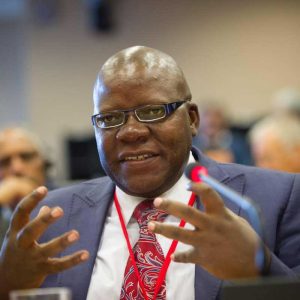
At the centre of this unfolding political drama is former Finance minister and Constitutional Defenders Forum (CDF) convener Tendai Biti, who this week made a calculated and conciliatory appeal to rebuild bridges with his former opposition leader Nelson Chamisa, despite a bitter fallout that has left the opposition movement badly splintered.
Biti’s overture comes against the backdrop of renewed efforts by the ruling ZANU PF administration to amend Zimbabwe’s 2013 Constitution in a manner critics say amounts to a silent constitutional coup, one designed to entrench power, weaken independent institutions and prolong the stay of President Emmerson Mnangagwa beyond his constitutional limit.
Yet while Biti’s call for unity has been welcomed by some as statesmanlike and pragmatic, it has also reopened old wounds within opposition circles, particularly around Chamisa’s political style, repeated breakaways and what critics increasingly describe as an air of arrogance that has alienated key allies and eroded organisational cohesion.
Biti and Chamisa formally parted ways in 2024, following Chamisa’s dramatic exit from the Citizens Coalition for Change (CCC), after the party was effectively paralysed by recalls orchestrated through Sengezo Tshabangu, widely viewed by opposition supporters as a Trojan horse deployed to dismantle the movement from within.
Chamisa’s decision to walk away from CCC, without offering a clear successor structure or transitional strategy, left many legislators, councillors and supporters politically orphaned. To this day, some senior opposition figures privately argue that Chamisa’s repeated pattern of abandoning political formations, from the MDC Alliance to CCC, reflects a troubling tendency to personalise mass movements, only to disengage when control is challenged.
When Chamisa recently announced his intention to return to active politics and oppose plans to extend Mnangagwa’s rule to 2030, the reaction among Zimbabweans was deeply mixed. While he still commands a large and loyal following, particularly among urban voters and the youth, others within the opposition expressed concern that his re-emergence risks further fragmenting an already weakened democratic front unless accompanied by humility, consultation and genuine coalition-building.
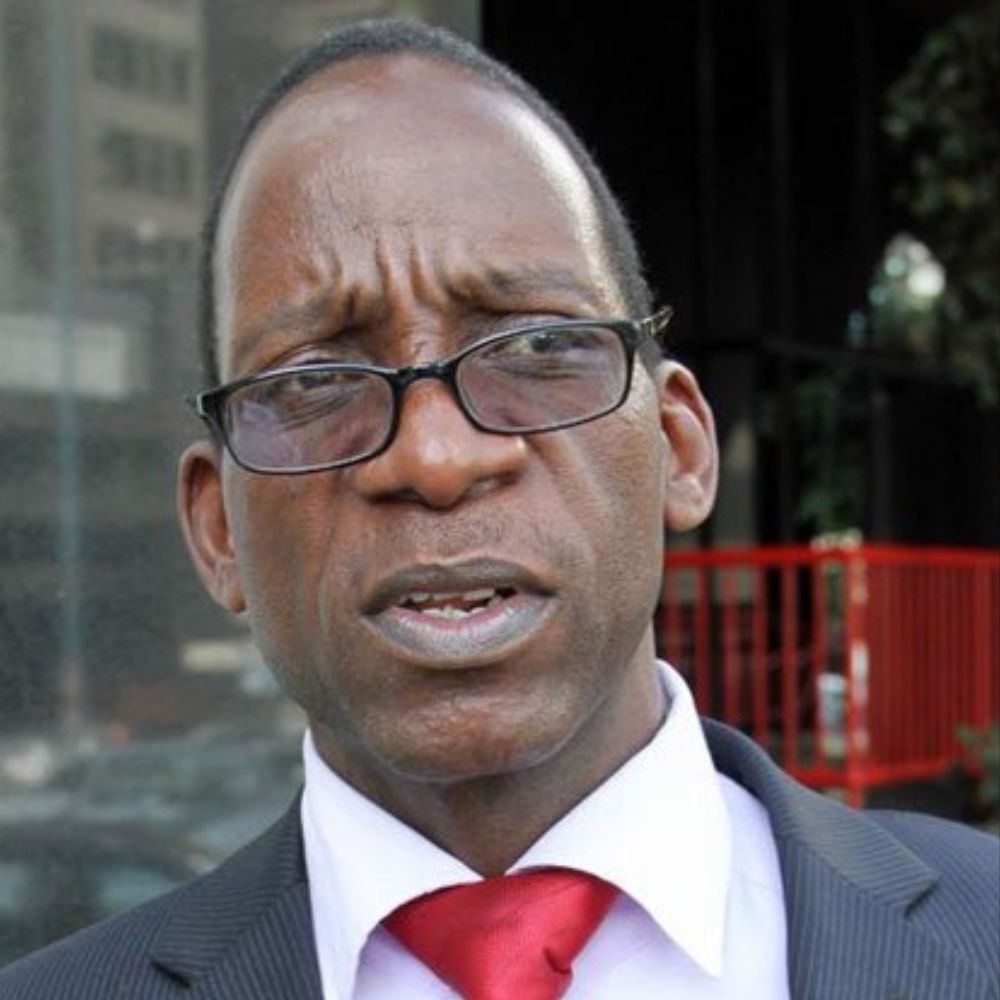
Several opposition activists told The Post On Sunday that Zimbabwe’s crisis demands collective leadership rather than messianic politics.
“People still trust Chamisa, but trust is no longer enough,” said former Member of Parliament, Hon Sibusisiwe Bhuda Masara. “We need structures, unity and discipline. Zimbabwe cannot afford another cycle of breakaways,” she said.
Biti’s appeal for unity is driven by urgency. This week, Cabinet approved the principles of Constitutional Amendment Bill No. 3, a proposed law that seeks to significantly alter Zimbabwe’s governance architecture.
At the heart of the Bill is a proposal to extend the terms of the President and Parliament from 2028 to 2030, effectively allowing Mnangagwa to remain in office beyond his final term without an election. Critics argue this manoeuvre sidesteps the will of the people and violates the spirit, if not the letter, of constitutional term limits.
The proposed amendments also seek to remove voter registration from the Zimbabwe Electoral Commission, returning it to the Registrar-General’s Office, a move widely seen as reversing hard-won electoral reforms. Equally contentious is a clause that would allow the President to appoint judges without public interviews, rolling back transparency measures designed to safeguard judicial independence.
Addressing journalists in Harare, Biti did not mince his words, describing the Bill as nothing short of constitutional mutilation.
“We are going to work with Nelson Chamisa,” Biti said. “Up until he left politics, he was my president. The defence of the constitution is bigger than personal differences.”
Yet even as he extended an olive branch, Biti’s remarks underscored a broader message, no individual, no matter how popular, can monopolise the struggle to defend Zimbabwe’s democracy.
Biti emphasised that the resistance to constitutional manipulation must transcend party lines and personality cults. He called for women, young people, civil society, the diaspora and even progressive elements within Zanu PF to join the struggle.
“The constitution does not belong to any one leader or organisation,” he said. “All hands must be on deck.”
In a notable development, Biti revealed that he had held extensive discussions with constitutional law expert Lovemore Madhuku, who is prepared to collaborate in resisting what Biti described as a coup against the constitution.
Biti’s CDF is also expected to coordinate efforts with other platforms, including the Defending the Constitution initiative convened by Jameson Timba, as civic and political actors brace for what could become the most consequential constitutional confrontation since the adoption of the 2013 charter.
As Zimbabwe edges closer to another democratic rupture, the opposition faces a choice, overcome internal divisions, personal rivalries and leadership arrogance, or risk political irrelevance while authoritarianism consolidates.
Chamisa’s return to the political arena, whether it heals or deepens the opposition’s fractures, will largely depend on whether he chooses to lead with inclusivity rather than dominance, and whether unity, at last, takes precedence over ego, for millions of Zimbabweans battered by economic collapse, repression and broken promises, the stakes could not be higher.
About The Author



More Stories
What We Want Is A Referendum-Madhuku
Global Sanctions and Shortages Push Cuba Into Deeper Isolation
A Nation Watches as Fallen War Veteran Geza Returns Amid Term-Limit Controversy