



By Shingirai Vambe
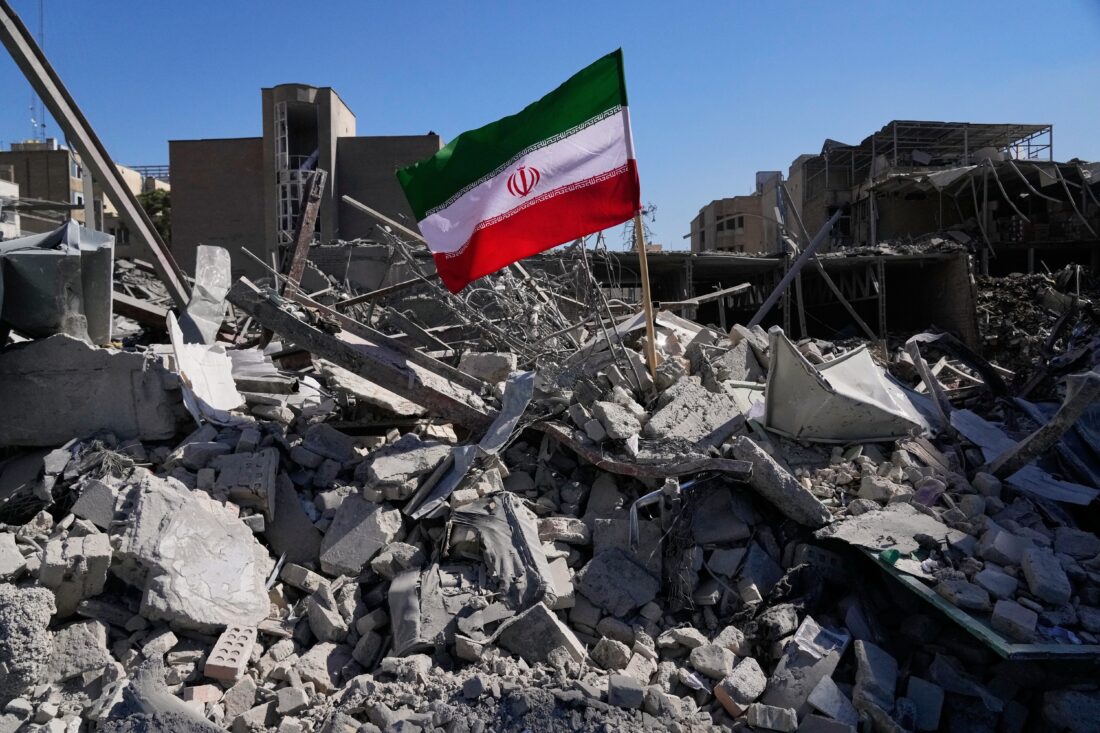
The escalating conflict between the United States and the Middle East is already sending shockwaves across the global economy, with countries around the world beginning to feel the ripple effects through rising prices, disrupted supply chains, and uncertainty in the energy markets.
For many economies, the war has triggered a wave of anxiety in global trade and transportation systems. Major air and shipping routes across parts of the Middle East, a region that sits at the heart of global logistics and energy supply, are facing significant disruptions. As tensions intensify, airlines are diverting routes while some shipping lanes are experiencing delays due to security concerns. These disruptions have slowed the movement of goods across continents, creating bottlenecks that are expected to push up the cost of commodities and services in both developed and developing nations.
The situation has been further compounded by interruptions in oil production and exports. Several oil mining and exporting operations in the region have either reduced operations or temporarily halted production as facilities face security threats, attacks, or logistical challenges. The Middle East remains one of the world’s most critical sources of crude oil, and any instability in the region inevitably shakes global energy markets.
As a result, international oil prices have begun to climb sharply, triggering a chain reaction that is being felt far beyond the immediate conflict zone.
Across Africa, economies that are heavily dependent on imported fuel are particularly vulnerable to such global shocks. Rising oil prices inevitably translate into higher transportation costs, which in turn push up the price of food, manufactured goods, and basic services. From manufacturing industries to small-scale traders, the pressure is mounting as the cost of doing business steadily rises.
Zimbabwe, already grappling with high fuel prices, has not been spared from the latest developments.
In a move that reflects the turbulence in global energy markets, the Zimbabwe Energy Regulatory Authority (ZERA) announced a fresh review of fuel prices early this morning. According to the new pricing structure, diesel will now retail at US$1.77 per litre, while petrol will cost US$1.71 per litre.
In a statement accompanying the announcement, ZERA indicated that the new prices are a direct consequence of movements in the international oil market, largely driven by the ongoing geopolitical tensions.
However, the regulator revealed that the Government had intervened to soften the impact on consumers by reducing some statutory charges associated with fuel pricing.
“Without Government cushioning, the actual price would have been US$1.90 per litre for diesel and US$1.81 per litre for petrol,” ZERA noted in its statement.
Despite the intervention, the increase is expected to trigger a broader economic ripple effect across the country.
Fuel remains a critical driver of economic activity in Zimbabwe, influencing the cost of transportation, production, and distribution across multiple sectors. When fuel prices rise, the cost of moving goods from farms to markets, factories to retailers, and warehouses to consumers inevitably increases. Businesses, in turn, often pass these additional costs onto consumers.
Economists warn that the latest adjustments could lead to increases in the prices of basic commodities, transport fares, and various services as businesses attempt to absorb the higher operational costs.
For ordinary Zimbabweans, many of whom are already navigating a challenging economic environment marked by inflation and fluctuating incomes, the rising fuel costs could further tighten household budgets.
Globally, analysts fear that if the conflict continues to escalate, the pressure on oil markets could intensify, potentially driving fuel prices even higher. Such a scenario would not only deepen economic strain in developing economies but could also threaten fragile recovery efforts in many parts of the world.
As the geopolitical situation continues to unfold, governments and regulators across the globe are closely monitoring developments, hoping that diplomatic efforts may eventually calm tensions before the economic consequences spiral further out of control.
About The Author




More Stories
Global Markets Watch As US And China Restart Critical Trade Talks
Satellite Plan to Transform ICT & Media Sector, Says Ncube
Gentle Giant Of The Liberation Struggle, Chiringa Declared A National Hero