




By Shingirai Vambe
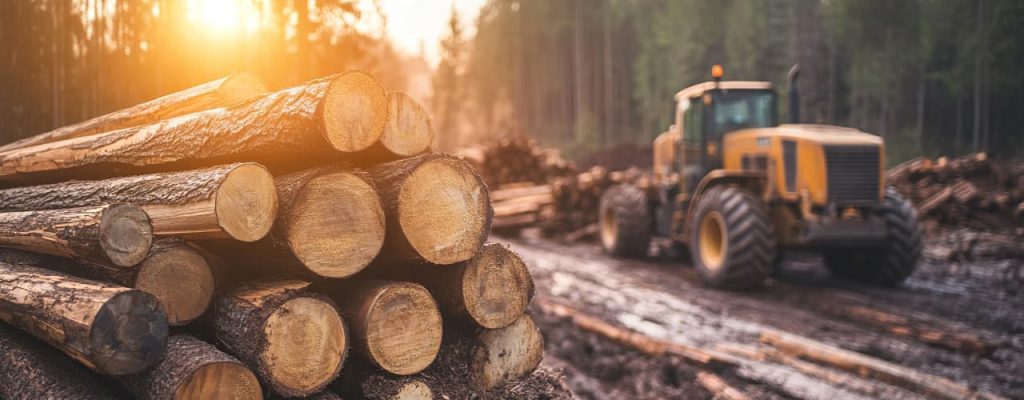
Once regarded as a regional powerhouse in timber production, Zimbabwe is increasingly turning to neighbouring countries for supplies of basic construction and furniture timber, marking a dramatic reversal for an industry that once exported large volumes of processed wood to both regional and international markets.
For decades, Zimbabwe’s vast timber plantations, stretching across thousands of hectares in the country’s Eastern Highlands, formed the backbone of a thriving forestry sector that supported construction, furniture manufacturing and export markets. Timber trucks would regularly leave the plantations of Eastern Highlands, carrying processed pine and gum wood to supply both local industries and international buyers.
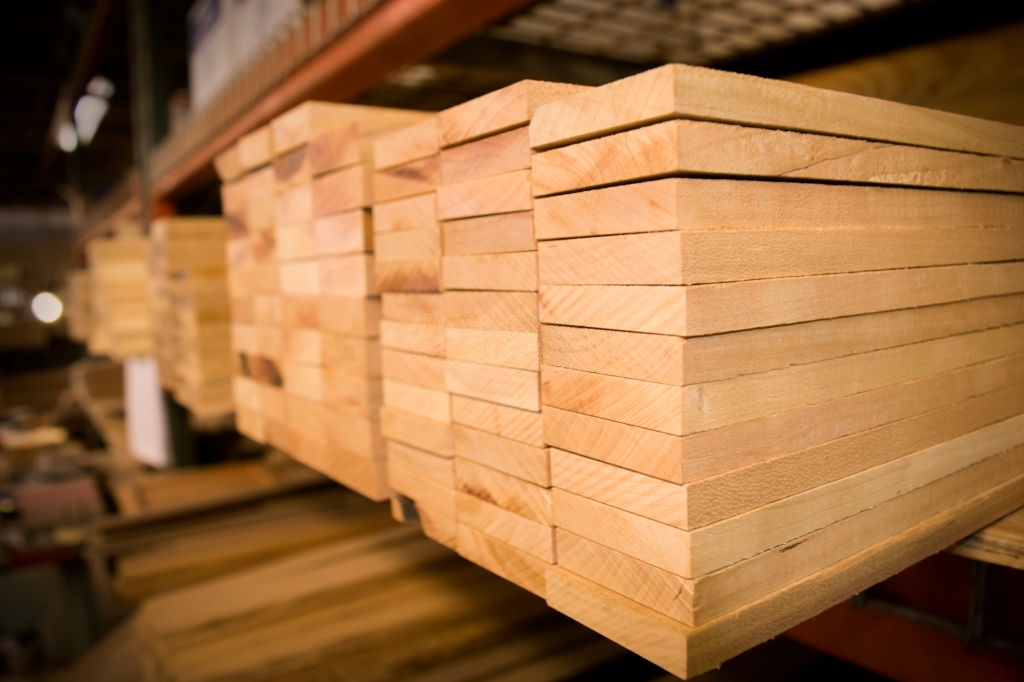
Today, however, the situation has changed drastically. Zimbabwean companies are increasingly importing timber from Mozambique and South Africa to meet local demand for roofing timber and furniture-grade wood.
Industry experts say the shift reflects years of poor planning, inadequate reforestation efforts and weak regulatory oversight, which have collectively pushed the once-flourishing sector into a slow but steady decline.
At the height of Zimbabwe’s timber industry, large volumes of pine and eucalyptus were harvested from plantations across the Eastern Highlands to support domestic construction and export markets. However, while logging continued at a rapid pace, long-term reforestation programmes were often neglected or insufficiently implemented.
Industry observers say that for many years timber harvesting continued without adequate replacement planting, leaving the country’s forests increasingly vulnerable to depletion.
Government efforts to intervene and promote forest preservation came relatively late, and even then the sector struggled to regain balance. Many timber farmers, facing financial constraints and uncertain returns, gradually abandoned forestry operations in favour of alternative agricultural ventures.
The result has been a widening supply gap that has become increasingly difficult for the industry to fill.
According to the Chairman of the Zimbabwe Timber Federation, Darlington Duwa, several local companies have already begun importing timber to keep their operations running, a development he says highlights the seriousness of the crisis.
“We are now seeing companies resorting to imports to keep operations running, which is a clear sign of the severe resource depletion we are facing,” Duwa said in an interview.
He attributed the shortages to a combination of destructive veld fires, land-use changes that have seen forests converted into agricultural land, and excessive logging by some companies without corresponding replanting efforts.
Over the past two decades, Zimbabwe’s timber reserves have been steadily shrinking, with large areas of forest destroyed by uncontrolled veld fires and illegal settlements.
State-owned Allied Timbers Zimbabwe, one of the country’s largest timber producers, estimates that thousands of illegal settlers have occupied more than half of its plantation land.
These settlements have been linked to frequent veld fires that continue to devastate timber plantations, destroying trees that take decades to mature.
The growing intensity of these fires has accelerated the depletion of timber resources, leaving the forestry sector struggling to maintain sustainable production levels.
Meanwhile, financial constraints have limited the ability of timber companies to invest in long-term reforestation programmes and sustainable forest management.
Duwa warned that the current shortages represent only the early stages of a much deeper crisis.
“This is just the beginning,” he said. “The situation is set to get worse.”
The nature of commercial forestry means that rebuilding Zimbabwe’s timber reserves will take decades rather than years.
Softwood trees such as pine and eucalyptus, widely used in construction and furniture manufacturing, require about 25 years to reach maturity and become ready for harvesting.
“This long maturation period means that the damage done over the past two decades has locked us into a prolonged period of scarcity, irrespective of our efforts today,” Duwa explained.
Even if Zimbabwe were to launch an aggressive national replanting programme immediately, the benefits would only begin to materialise decades from now.
The shortage of timber has already begun to affect the construction sector and ordinary consumers.
Reduced domestic supply has pushed timber prices upward, increasing the cost of building materials at a time when the country’s housing sector is already under pressure.
Major timber producers in Zimbabwe include Allied Timbers Zimbabwe and Border Timbers.
Due to limited internal processing capacity, these companies now rely heavily on contractors to harvest and process timber, with revenues shared between the companies and the contractors.
Officials from the Forestry Commission of Zimbabwe have previously acknowledged that limited government funding has constrained their ability to effectively monitor forests and support replanting initiatives.
Duwa told the Post on Sunday that about 70 000 hectares of forest have been planted in recent years, but industry experts say this is far from enough to offset the extensive losses experienced over the past two decades.
Authorities say meaningful recovery will require stronger incentives to encourage both private and commercial investment in forestry.
Experts agree that rebuilding Zimbabwe’s timber sector will require a coordinated national effort involving government, private companies and local communities.
Duwa gave a key measure, which include include incentivizing new tree planting, strengthening forest protection mechanisms and addressing the growing threat of veld fires.
However, even with decisive action today, the road to recovery will be long. More that 10 years, given the slow growth cycle of commercial forests, he said.
About The Author





More Stories
Global Markets Watch As US And China Restart Critical Trade Talks
Satellite Plan to Transform ICT & Media Sector, Says Ncube
Gentle Giant Of The Liberation Struggle, Chiringa Declared A National Hero