




By Shingirai Vambe
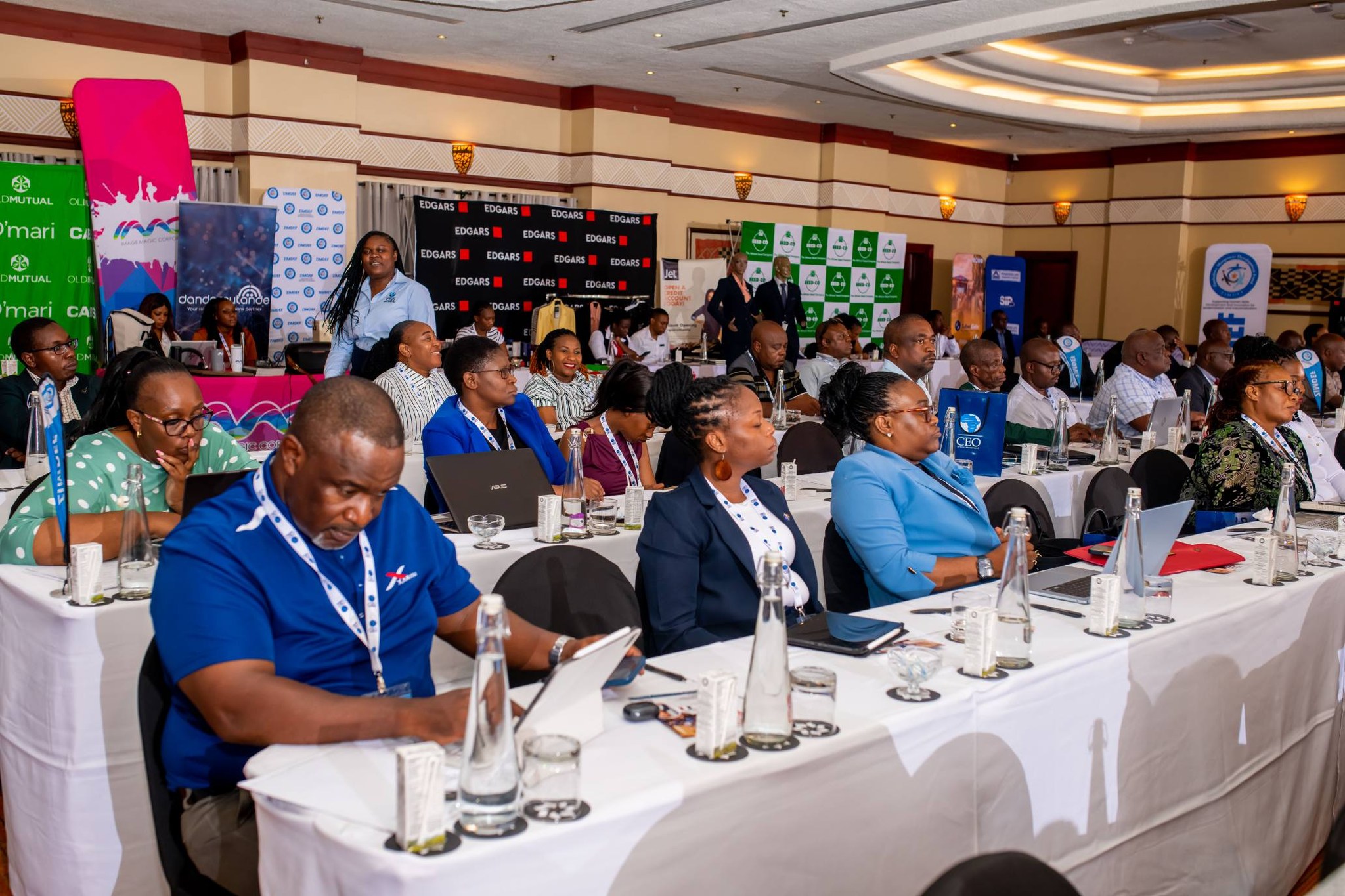
The 2026 CEO Africa Roundtable roared to life in the resort city of Victoria Falls, bringing together government officials, business leaders and private sector players at a time when Zimbabwe’s economic trajectory remains under intense scrutiny.
Set against the backdrop of one of the country’s premier tourism destinations, the high-level policy forum opened amid growing concern over the state of the economy, with formal businesses increasingly buckling under pressure while informal trading, vending and small-scale entrepreneurship continue to surge.
The gathering, widely regarded as one of the fastest-growing platforms for structured public-private dialogue in Zimbabwe, seeks to bridge the widening gap between policy makers and industry leaders. It comes at a critical juncture, as companies close shop, confidence weakens and more Zimbabweans turn to survivalist enterprises in an expanding informal economy now estimated to account for over half a billion dollars in activity.
President Emmerson Mnangagwa is expected to officially open the conference, where he is anticipated to hear first-hand the mounting challenges confronting businesses, many of which have repeatedly cited policy inconsistency as a major obstacle to growth and investment.
The conference is unfolding in the wake of the introduction of a new currency framework by the Reserve Bank of Zimbabwe, with Governor John Mushayavanhu pushing for the wider adoption of the Zimbabwe Gold (ZiG) currency as the country’s primary medium of exchange.
In an early presentation that stirred both optimism and skepticism, Mushayavanhu signaled a decisive shift in monetary policy direction.
“It is time to say goodbye to the dominance of the US dollar,” he said, while emphasizing the need for Zimbabweans to embrace the local currency. He further indicated that authorities are working towards a future where salaries are predominantly paid in ZiG.
However, the governor was quick to clarify that this transition does not imply the immediate elimination of the US dollar, which remains deeply entrenched in the economy due to years of instability, inflationary pressures and exchange rate volatility.
Despite these assurances, confidence in the local currency remains fragile. Zimbabweans, still haunted by past episodes of currency collapse and hyperinflation, have been slow to fully trust monetary reforms, even as the central bank intensifies awareness campaigns to promote the ZiG.
At the heart of the Roundtable is a renewed call for trust, dialogue and policy alignment between government and business, a relationship that has often been strained.
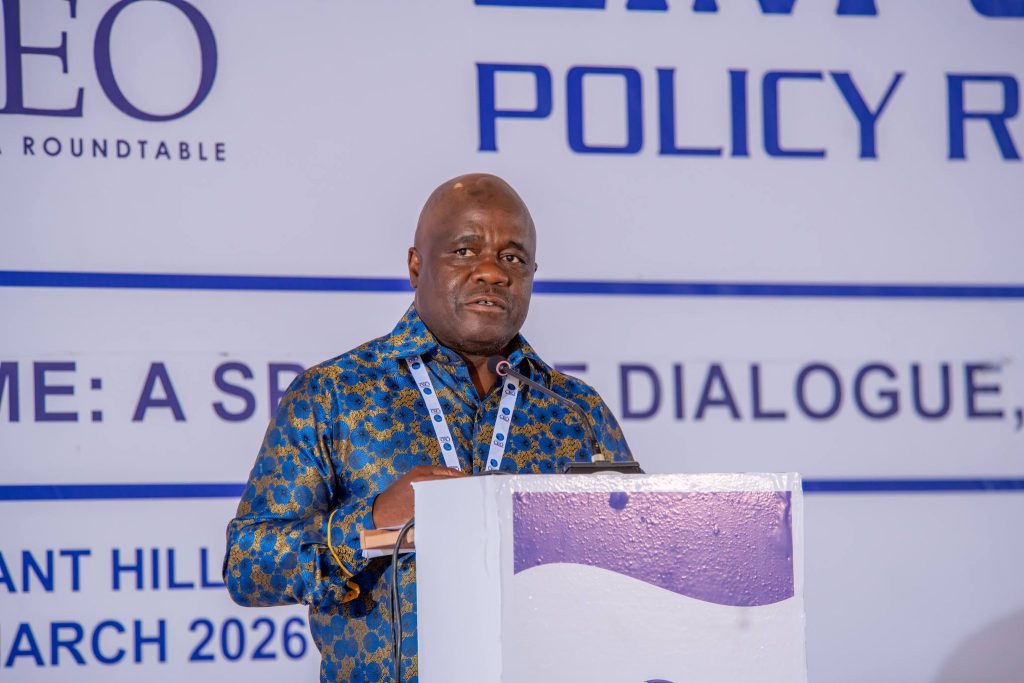
In his opening remarks, CEO Africa Roundtable chairman Oswell Binha did not mince his words, stressing that the foundation of any functional economy lies in integrity, honesty and trust.
“Doing business requires that we observe high levels of integrity, honesty and trust,” Binha said, while also expressing concern over the lack of consistent government engagement on critical policy issues.
In a rare moment of candour, he noted with disappointment the absence of significant government representation at the start of the forum, despite prior confirmations, a development he said undermines the very essence of dialogue.
“This absence is regrettable, not only from a dialogue standpoint, but because it denies both government and citizens the opportunity to interrogate industry realities and build the trust necessary for effective policy implementation,” he said.
Binha underscored the scale of Zimbabwe’s economic ambitions, revealing that the country requires an estimated US$40 billion in investment over the next decade to drive transformation across key sectors including infrastructure, energy, agriculture, mining and manufacturing.
The conference is being held under the theme “A Spirit of Dialogue: Partnering for Vision 2030”, aligning with government’s broader ambition to achieve upper middle-income status by the end of the decade.
However, beneath the optimism lies a reality.
Zimbabwe’s industrial capacity utilisation remains subdued, hovering between 52 and 56 percent, while manufacturing contributes just about 14 percent to the country’s Gross Domestic Product, figures that highlight the significant untapped potential within the economy.
“Nearly half of Zimbabwe’s industrial capacity remains idle,” Binha noted, warning that without policy consistency, reliable infrastructure and access to capital, the country’s growth ambitions may remain out of reach.
Energy shortages continue to weigh heavily on industrial productivity. With national electricity demand averaging above 2,000 megawatts against lower domestic generation, the resulting deficit has forced reliance on imports and load management, further constraining business operations.
Binha emphasized that Zimbabwe’s long-term recovery will depend on unlocking its vast energy potential — estimated at over 12,000 megawatts, through increased private sector participation and investment in renewable and independent power projects.
“Zimbabwe’s industrial revival will ultimately be powered by megawatts, not just policy papers,” he said.
While the Roundtable offers a rare opportunity for engagement, the underlying trust deficit between government and business remains a recurring theme.
Years of policy inconsistency, currency instability and shifting regulatory frameworks have left both investors and ordinary citizens wary, with many opting to operate outside formal systems.
As discussions continue in Victoria Falls, expectations are high that the platform will move beyond rhetoric and produce tangible outcomes, from investment partnerships to policy reforms capable of restoring confidence and driving sustainable growth.
About The Author




More Stories
Satellite Plan to Transform ICT & Media Sector, Says Ncube
Gentle Giant Of The Liberation Struggle, Chiringa Declared A National Hero
War Veterans Petition Parliament Over Controversial Constitutional Amendment