



By Leeroy Mupariri
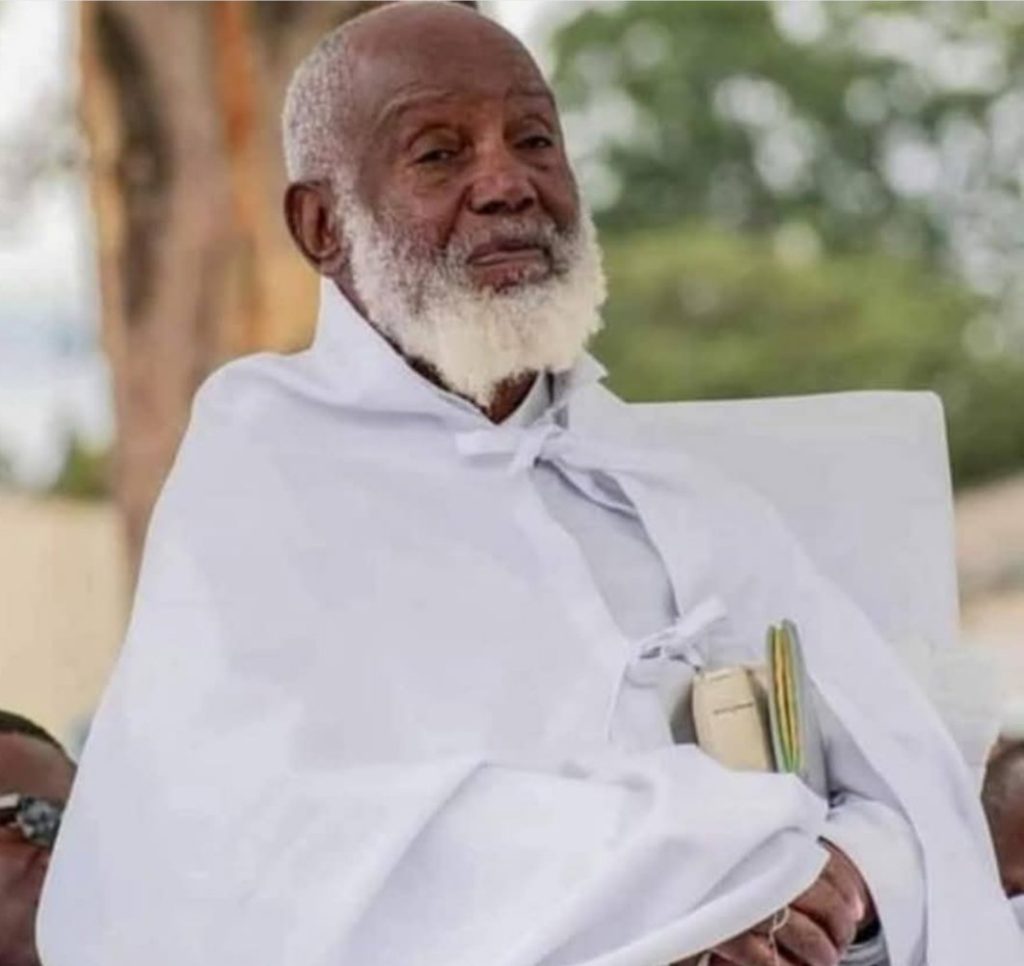
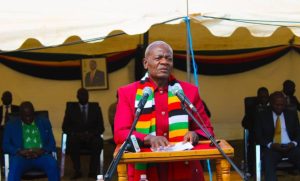
Zimbabwe has been plunged into mourning following the death of Archbishop Paul Mwazha, the revered founder of the African Apostolic Church and one of the country’s most enduring spiritual giants. Mwazha, affectionately known as Mutumwa, died at the extraordinary age of 107, just days after celebrating what would be his final birthday.
His passing marks the end of an era for one of Zimbabwe’s oldest and most influential apostolic sects, a church movement whose spiritual rhythm, discipline, and identity are inseparable from Mwazha’s life story.
Just days before his death, Archbishop Mwazha made headlines when he reportedly declined a birthday gift, a luxury car, from a controversial Zimbabwean social figure known nationwide for lavishly giving away cars and large amounts of money. The man, considered by many as the country’s “chief blesser,” has long been under public scrutiny, with citizens questioning the origins of his wealth.
Sources close to the church say Mwazha politely refused the vehicle, insisting that his life’s work was never tied to material possessions. Days later, he quietly breathed his last.
To those who knew him, it felt symbolic, a final act of humility before his departure.
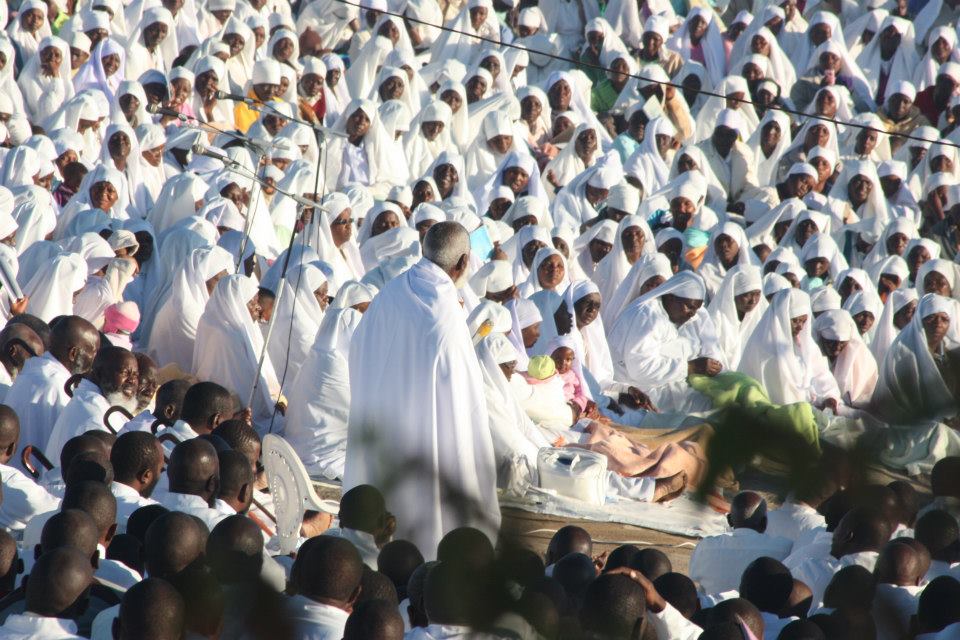
Despite his sacred reputation, Mwazha’s massive gatherings, which often attracted tens of thousands of believers, had in recent years been politicised, used as campaign grounds by opportunistic politicians seeking votes. What should have remained holy spaces of healing, fellowship, and miracles became, during election seasons, magnets for political rhetoric.
Yet Mwazha himself remained above the fray. His life of calm spiritual leadership stood in sharp contrast to the noise around him.
President Emmerson Mnangagwa has since offered the late Archbishop national recognition, describing him as a man whose moral influence helped fortify Zimbabwe’s social fabric. Calls for his elevation to National Hero status have been growing, especially from church leaders and civic society figures who view his contribution as transcending religious boundaries.
In the words of Jimayi Muduvuri, Patron of the Zimbabwe Amalgamated Council of Churches (ZACC):
“The Bible tells us that 70 years is the measure of life. Beyond that, each year is a divine bonus. To live to 107 is testimony that Archbishop Paul Mwazha was a true servant of God — a man favored with 37 bonus years.”
Muduvuri’s reflections resonated deeply across the nation. His voice became one of the clearest articulations of what millions felt, Mwazha was more than a church leader; he was a spiritual guardian whose presence guided generations.
Mwazha’s life story reads like a tapestry woven with humility, discipline, and unwavering commitment to God. As founder of the African Apostolic Church, he crafted a homegrown spiritual movement grounded in African identity, dignity, and Christian truth. His teachings uplifted families, instilled social order, and strengthened communal bonds.
To his followers, he was a father, a healer, a counselor, a beacon of unwavering spiritual refuge
As Bishop Jeshua Mhizha, the church’s General Secretary, said.
“He has departed from us, but in spirit, we are together with him.”
His presence lingers in the quiet rituals, hymns, and disciplined lifestyle of the church he built.
Among those urging the state to honour Mwazha with the status of National Hero, Muduvuri has been particularly vocal. He argues that Mwazha’s leadership fostered peace, unity, and moral discipline, values essential to national cohesion.
To Muduvuri and millions of congregants, honouring Mwazha is not only about celebrating a man, but about acknowledging the spiritual foundations he strengthened for the entire nation.
Mwazha’s influence extended beyond Zimbabwe’s borders. As one of Africa’s pioneering indigenous church leaders, he helped shape apostolic worship across Southern Africa, with over a million followers spread across the region.
Despite the size of his spiritual empire, Mwazha remained remarkably humble. He shunned luxury, lived simply, and carried himself with a quiet dignity that made him beloved by the elderly and the young alike. His humility, often described by Muduvuri as “true, unforced humbleness” continues to be the hallmark of his legacy.
Archbishop Paul Mwazha leaves behind a legacy deeply etched into Zimbabwe’s moral and spiritual fabric. His departure marks not just the end of a life, but the closing of a chapter that shaped Zimbabwean Christianity for more than a century.


More Stories
Zimbabwe’s Second Bid to Remove Vendors from Harare Streets Triggers Fresh Livelihoods, Law and Order Clash
AHF urges young people to priorities STI prevention and testing
Traffickers exploiting job seekers and vulnerable Zimbabweans, official warns