





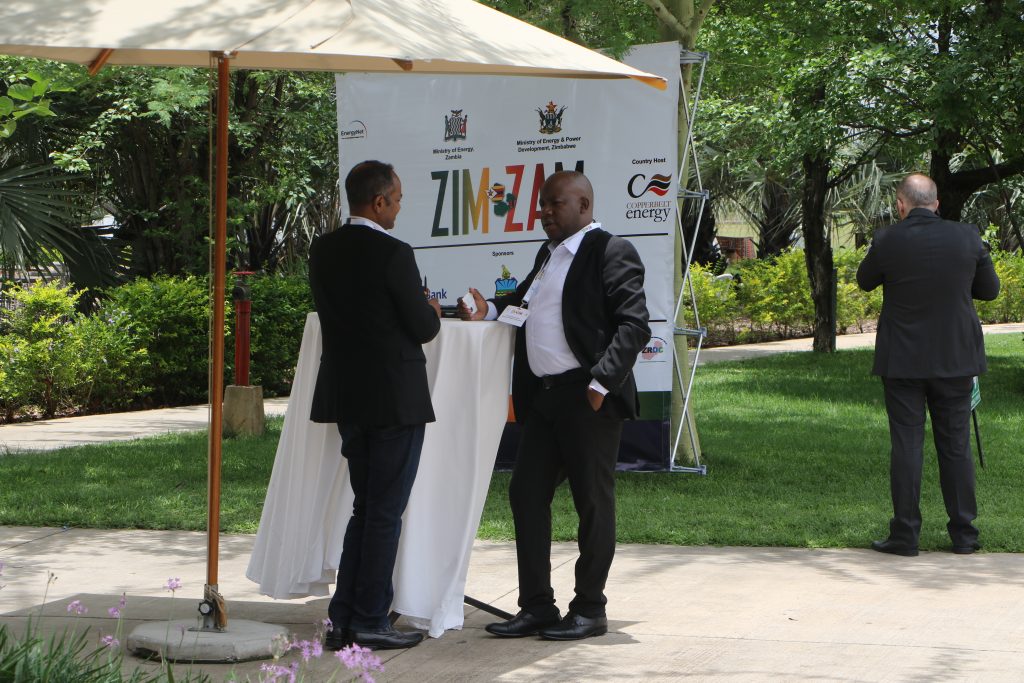
Zimbabwe-Zambia energy Summit kicks off in Zambia….
By Shingirai Vambe in Zambia
The journey that began on Zimbabwean soil, beneath the misty spray and towering cliffs of Victoria Falls, has evolved into a defining moment for regional energy cooperation. What started as an ambitious platform to confront growing power shortages has now matured into a strategic partnership, reshaping policies and investment agendas between two sister nations, Zimbabwe and Zambia.
A year after the inaugural Zimbabwe–Zambia Energy Projects Summit was launched in Victoria Falls, the second edition has kicked off across the Zambezi River, this time in Livingstone, Zambia. Here, energy players, private investors, financiers, policy-makers, and development partners have converged with a shared mission: to close the widening energy gap in the region.
Zimbabwe and Zambia share more than a border; they are bound by the Zambezi River and jointly rely on one of Africa’s largest hydropower installations, the Kariba Dam. Yet, as demand for electricity surges, driven by population growth, industrial expansion, mining, and technological advancements, the once-reliable Kariba is no longer sufficient. Climate change has further strained the dam, reducing water levels and threatening the stability of power supply.
Against this backdrop, the Zim-Zam engagement has broadened its scope. Discussions now extend beyond hydropower, exploring solar, wind, and mini-hydro systems. The summit has become a platform for unveiling new enabling models, policies, and incentives to attract investment into diversified renewable sources.
The transition toward solar farms, mini-hydro plants, and other clean-energy technologies requires robust policy alignment. Governments must refine regulatory frameworks, streamline licensing processes, and improve the investment climate. The Livingstone summit has become the stage where both countries are showcasing how they have strengthened their policy environments to woo private players into the energy space.
In their joint opening statements, the Deputy Ministers of Energy from both Zimbabwe, Hon Yeukai Simbanegavi and Zambia, Hon Credo Nanjuwa, highlighted the spirit of solidarity and shared destiny that underpins the summit.
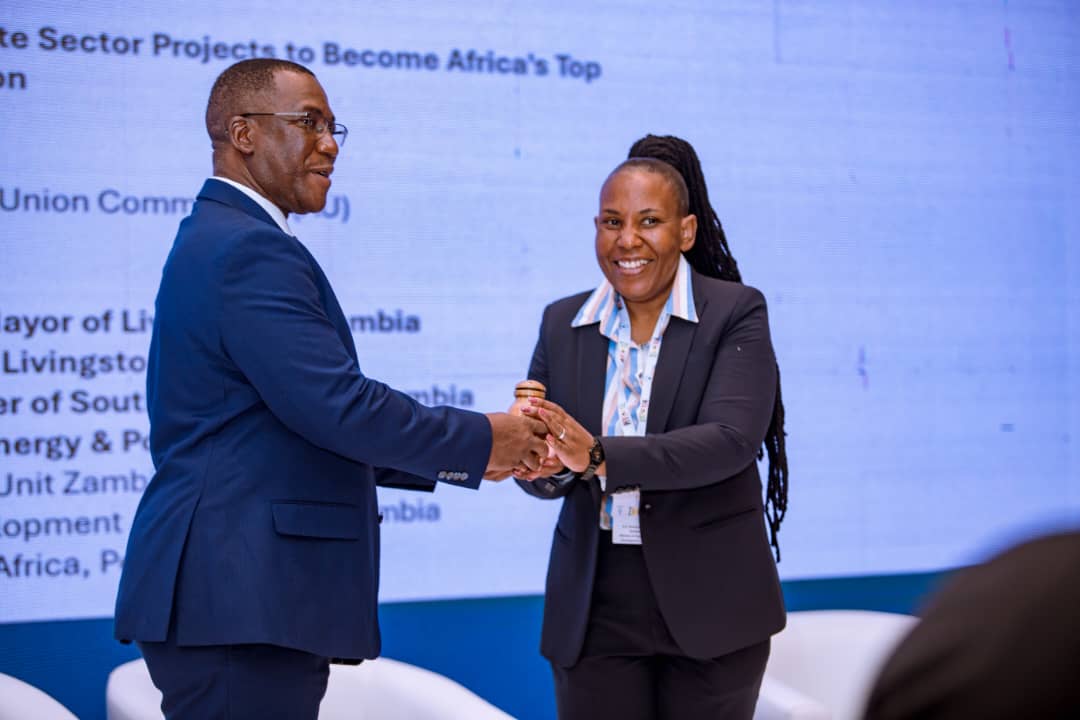
“Distinguished guests, it is my honour and privilege to give these remarks at this prestigious event being held in this beautiful City of Livingstone, Zambia. Indeed, we have come full circle following the inaugural summit launched last year in Victoria Falls,” said Simbanegavi
They both described the Zimbabwe–Zambia Energy Projects Summit, affectionately known in Zimbabwe as “Zim-Zam”, as a growing global platform binding nations, investors, innovators, and institutions.
The ministers emphasized that the two nations share a common heritage, intertwined by culture, geography, and shared natural resources. Despite colonial borders, Zimbabweans and Zambians remain one people with complementary strengths.
They reminded delegates that energy has become a global talking point, shaped by environmental realities and climate impacts. For the two countries, the challenges of electricity deficits have revealed how deeply interconnected they are.
“We share not just the Zambezi River, but, as President Hichilema recently stated, our countries also share mineral seams,” added Nanjuwa.
The theme for the 2025 summit, “Mines and Energy: Fast-Tracking Private Sector Projects,” reflects the interdependence between mining and power generation. Mining remains both a major driver and consumer of energy.
Zimbabwe highlighted its vast reserves of critical energy minerals (CEM) essential for the global Just Energy Transition, lithium, cobalt, manganese, graphite, and nickel. These minerals are central to battery manufacturing, making Zimbabwe’s decision to ban raw lithium exports in 2023 a strategic move aimed at promoting local value addition.
The Deputy Minister Simbanegavi underscored Zimbabwe’s ambition, “Our goal is to be a hub for battery production in Africa as we gear up for electric mobility.”
Zambia, on the other hand, continues to anchor global copper supply, a mineral indispensable to power systems, electricity transmission, and storage technologies.
Zimbabwe outlined an evolving policy landscape designed to boost investment in the energy sector. As the country transitions from National Development Strategy 1 (NDS1) to NDS2, running from 2026 to 2030, the focus on private sector participation is intensifying.
She further highlighted projects which the country Zimbabwe has undertaken, eight IPPs licensed in the commercial and industrial sector, developing 1,000 MW through clean coal technologies by 2030 including Several solar projects approved under the national target to add 2,100 MW of renewable energy.
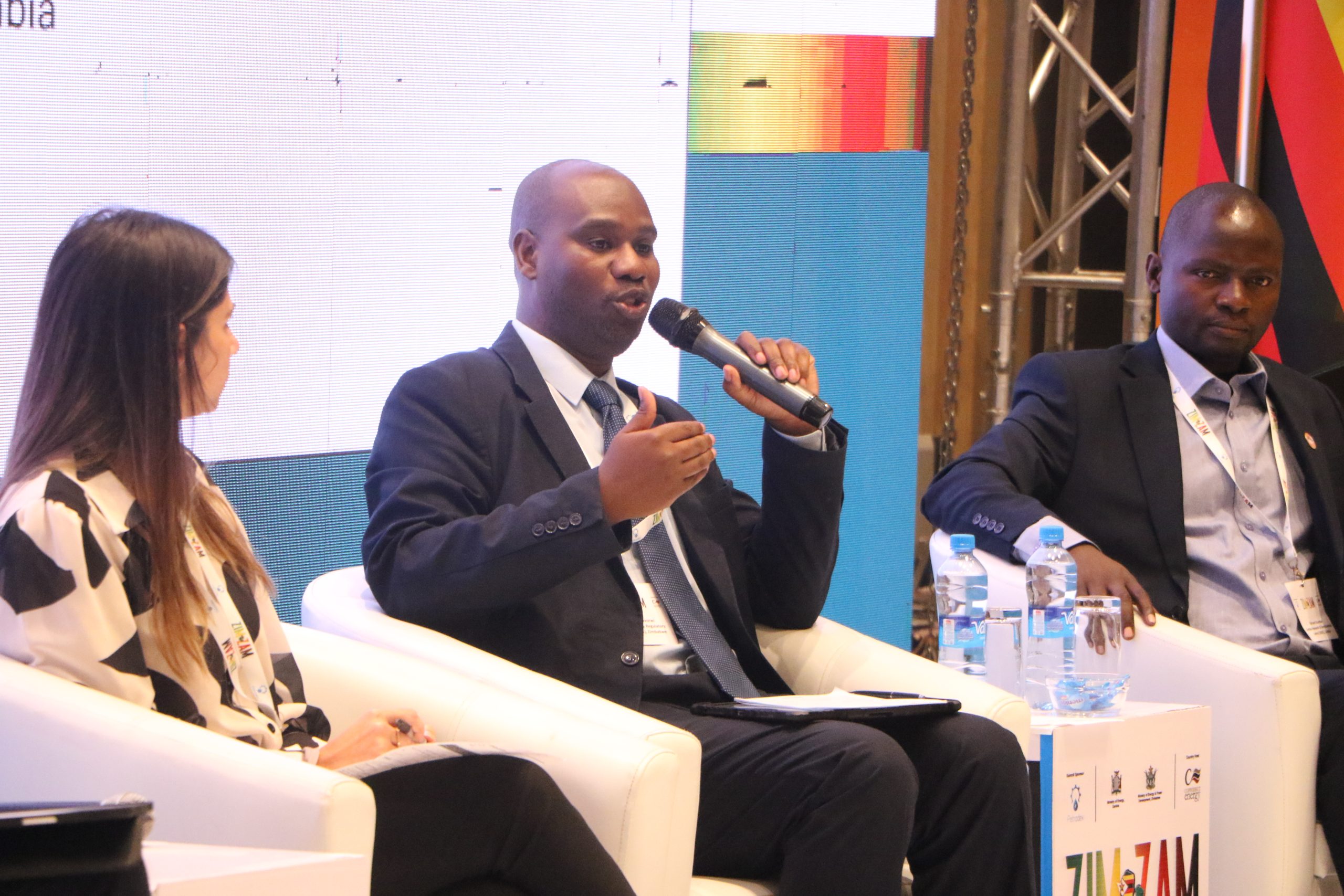
During the session various intervention were proffered and among the issues were regulatory and licensing reviews. Downward revision of licensing fees, especially for solar projects under 10 MW, which now pay no license fee in Zimbabwe, duty rebates on solar equipment imports, tax holidays for projects exceeding USD $500,000 and Government Project Support Agreements (GPSA) offering guarantees against political risk, currency instability, and repatriation constraints. One such agreement has already been signed with a UK-based investor developing a solar project in Midlands Province.
The government is also prioritizing third-party grid access, allowing private power producers to choose their off-takers freely.
“To improve efficiency, Zimbabwe’s ZIDA launched an online licensing system that recorded a 44.8% increase in investment licenses in Q1 of 2025. The digital shift forms part of the broader e-governance agenda to promote transparency,” added Simbanegavi.
Regionally, Zimbabwe reaffirmed its commitment to SAPP (Southern African Power Pool) initiatives, priority cross-border interconnectors, MOZISA and ZIZABONA, harmonized transmission pricing by 2026 and having an enhanced regional power trading by Q4 2027
Looking ahead, Zimbabwe’s energy compact targets 5.4 GW of power supply by 2030, anchored by renewable technologies. The Rural Electrification Fund (REF) aims to electrify all rural institutions by 2026.
Meanwhile, transnational mega-projects like the Batoka Gorge Hydro Electric Scheme stand as symbols of what joint vision can deliver. Delegates at the summit expressed renewed interest in Batoka, underscoring its potential to redefine the region’s energy landscape.
The Deputy Minister concluded with an invitation to the Zimbabwe spotlight session scheduled during the summit, promising deeper discussions on opportunities available to investors.
“Our national vision is to become an upper middle-income economy by 2030, and we need a resilient and sustainable energy sector to support it,” she concluded.




More Stories
AHF calls for African countries to unite against debt crisis
Tax, Trust and Financial Literacy- Zimbabwe’s Long Struggle With the Obligations of a Modern Economy
Zimbabwe’s Second Bid to Remove Vendors from Harare Streets Triggers Fresh Livelihoods, Law and Order Clash