




By Shingirai Vambe
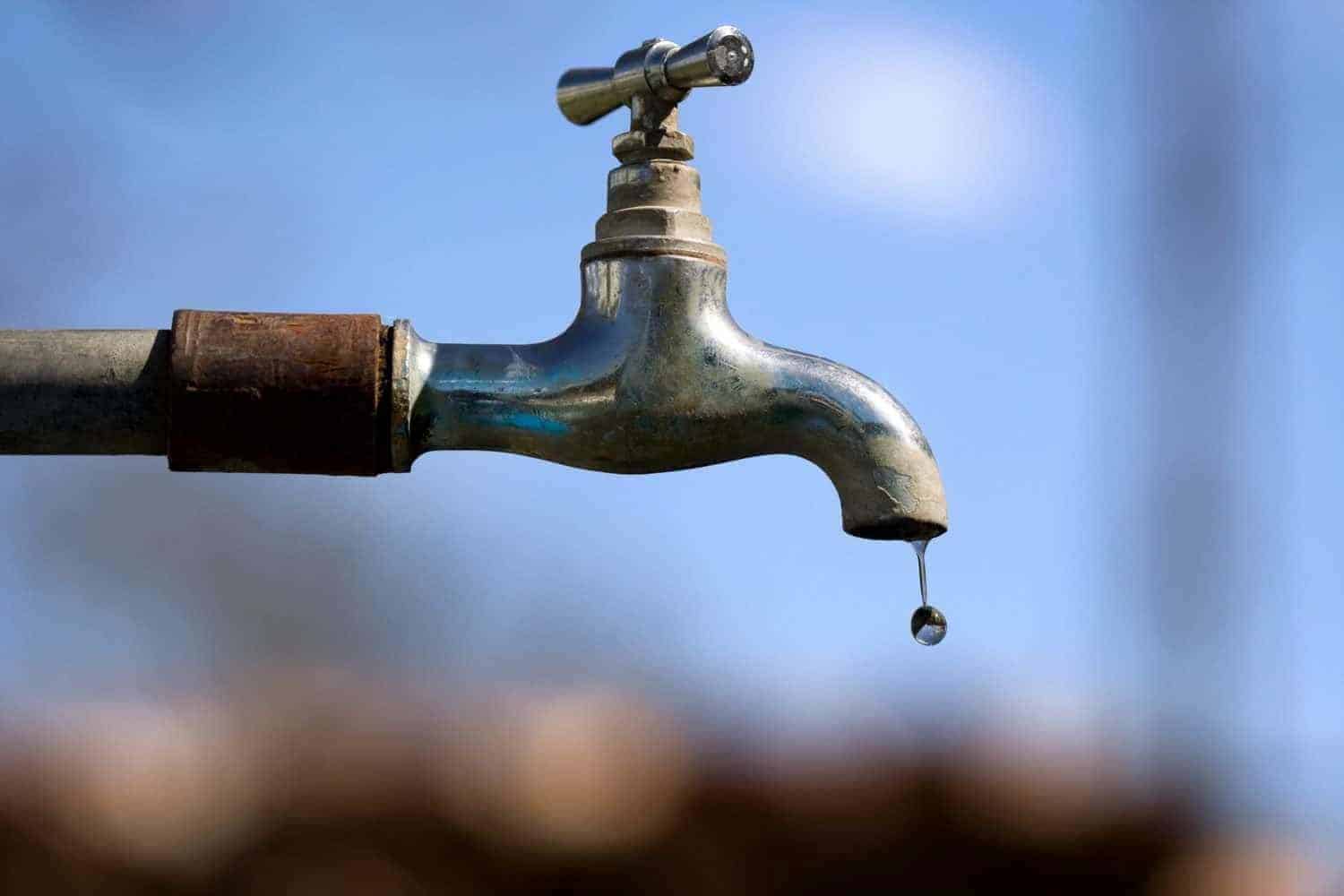
For residents of Rusape, the morning of Wednesday, 15 October 2025, will be remembered with a mixture of disbelief and quiet horror. After several days without water, taps in several neighbourhoods finally sputtered back to life, only to release foul-smelling, visibly contaminated water, later confirmed to be mixed with raw sewage.
In a town already struggling with leadership paralysis, decaying infrastructure and a demoralised workforce, the incident was a brutal reminder of just how fragile basic service delivery had become. Families watched brownish water flow into their buckets, some panicking, others unsure whether the local authority even knew what had happened. Worse still, Rusape Town Council (RTC) issued no public warning, no apology and no explanation in the hours and days that followed.
The contamination occurred after water supplies had dried up for days. The Rusape Waterworks Plant, which depends on water from the Rusape River, had been forced to shut down after levels dropped drastically, something that now happens almost every dry season due to over-abstraction by upstream farmers. When pumping eventually resumed, residents expected relief. Instead, they received one of the worst public-health scares in the town’s recent history.
For years, Rusape had taken quiet pride in its water. Old-timers in the town would often boast that only Mutare surpassed them, “our water has taste, it’s clean, it’s treated properly,” they would say. It was one of the few constants people trusted in a place where promises often broke before they were made.
But lately, that trust had begun to sour.
The trouble started when Godfrey Mufuranhewe, better known across the streets and market stalls as Joytech, burst onto social media with startling claims. He accused the town’s suspended engineer of failing to repair broken pipes that, he alleged, were spilling raw sewage straight into the water source. It was an accusation that carried weight, not because of official proof, he had an agenda, but because fear travels faster than truth. Within hours, his videos spread across WhatsApp groups like wildfire, igniting concern among the 40,000 residents he claimed, who depended on that very water for drinking, cooking, and daily survival.
EMA officials quickly refuted the claims, insisting the water was safe. The Standards Association of Zimbabwe, however, added to the confusion, they refused to release results from water tests. Their silence spoke louder than words, causing more anxiety than assurance. Rumours thickened.
At the centre of the storm was Charles Chindenga, the town engineer who was cleared by a tribunal but is still barred from returning to work.
The refusal came directly from Council Chairperson Lovemore Chifomboti and Town Secretary Solomon Gabaza, who seemed determined to keep him out, offering no explanation beyond closed doors and tight lips. Their stance raised eyebrows in a town that had grown used to political smoke screens, but this time, the stakes are different. This time, residents believe their health is on the line.
Yet, as the crisis deepened, the officials who were expected to intervene had their attention elsewhere. Instead of addressing the public’s fears, senior council figures were tied up in ongoing court sessions involving Morris Tekwa and Togarepi Nerwande, a dispute over a proposed solar project designed to ease Rusape’s water shortages during load-shedding. The project with it, is the hopes of stabilizing the town’s fragile water system.
The silence by health experts in the small farming town, Residents Trusts to take legal action, accusing the council of gross negligence, endangering lives and violating basic public-health standards gives council (RTC) a reason to arrogantly take care of their responsibilities.
However, behind the scenes, an even deeper crisis is unfolding, one rooted in years of poor governance, chaotic administration, and a labour force pushed to breaking point.
While angry residents demanded answers for the contaminated water, RTC is already grappling with another firestorm, over 80 current and former council employees had taken the authority to arbitration, demanding unpaid salaries and wages dating back to 2023.
Many workers had reportedly gone months without pay, while others had not received proper wages for years, relying only on sporadic amounts ranging from US$50 to US$100, barely enough to survive. Some employees even alleged sabotage within the water department, fuelled by long-standing frustration and despair.
The workers, represented by the Zimbabwe Federation of Trade Unions (ZFTU), pressed forward with their case. After the Labour Officer issued a Certificate of No Settlement, the dispute was escalated to compulsory arbitration under case number TV/201/25.
The arbitration, presided over by Hon. Munyaradzi Chandakaita, laid bare the extent of the administrative collapse at Rusape Town Council.
In detailed submissions, employees argued that, “RTC had systematically defaulted on salaries from mid-2023, council admitted owing wage arrears in October 2023 but failed to honour agreed payment plans, workers receiving only token amounts, leaving large arrears stretching into 2025 and the council failing to provide proper proof of payments such as pay slips or bank transfers, instead relying on questionable handwritten schedules.
For its part, the council raised several technical objections. It argued that the workers were “wrongly cited,” improperly represented, and that the matter was already being handled by other unions. It also blamed its failure to pay wages on severe financial constraints, low revenue collection, and what it described as good-faith efforts to pay workers progressively.
Rusape Town Council has spend thousands of dollars on legal costs and litigation, while failing to pay salaries and providing basic service to the residents and another bigger chunk on workshops, traveling and stipends to Councillors and staff.
The arbitrator saw through most of the council’s arguments and in the award handed down on November 24 2025, Arbitrator Chandakaita concluded that, workers were properly before the tribunal, despite attempts to disqualify their representation, the council’s technical objections were without merit and RTC had indeed failed to pay wages and benefits lawfully owed to employees from August 2023 to June 2025.
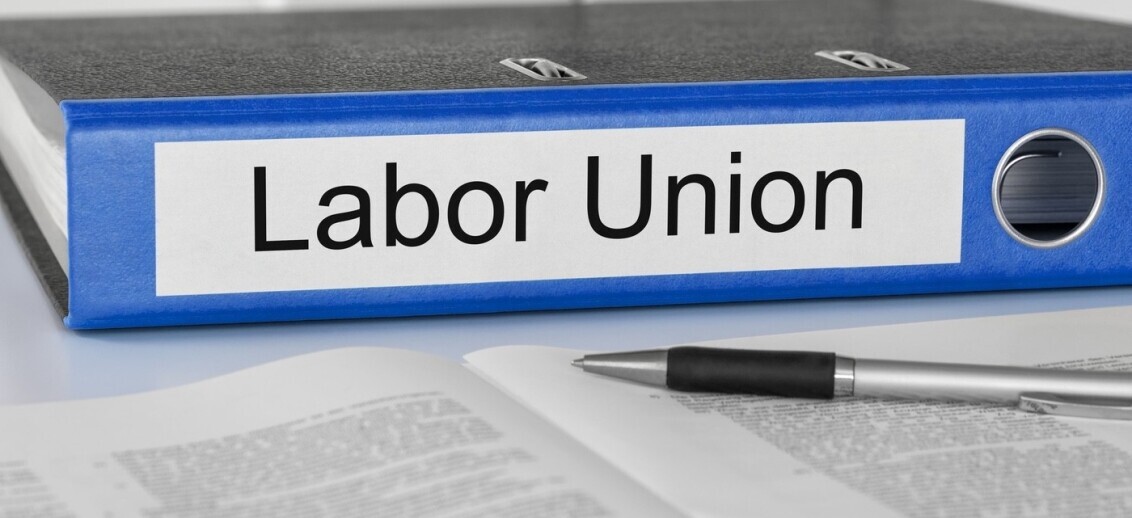
In addition, claims of financial distress did not absolve the council of its legal duty to pay employees, and the only valid wage deductions were limited set-offs for four employees who had recovered money from council debtors, an arrangement the workers themselves acknowledged.
The arbitrator criticised RTC for submitting evidence late, drip-feeding documents, and causing procedural delays, which is their norm known with those who have previously had legal disputes with council.
The arbitrator emphasised that statutory wage rights cannot be waived, even when workers accept partial payments out of desperation.
The ruling ordered the council to pay all outstanding salaries calculated according to the Collective Bargaining Agreement, adjusted only for the few accepted set-offs. Payment was to be made in two equal instalments, within a strict timeline, failing which acceleration clauses would apply.
Rusape residents, the arbitration ruling and the water contamination incident reflect a town council in deep turmoil, where collapsing governance structures have translated into real-world danger.
The contamination of drinking water, suspected sabotage, unpaid workers, legal disputes, and chronic mismanagement form a picture of a municipality drifting off its rails. As residents await an official explanation for the sewage-tainted water, the silence from the council only fuels suspicion and anger.
At the heart of the crisis lies a simple truth, a local authority that cannot pay its workers, maintain its infrastructure or communicate transparently is a threat to the very people it is meant to serve.



More Stories
AHF calls for African countries to unite against debt crisis
Pensioners Left Waiting As Billions Sit In Zimbabwe’s Pension Funds
Tax, Trust and Financial Literacy- Zimbabwe’s Long Struggle With the Obligations of a Modern Economy