




By Evans Jona
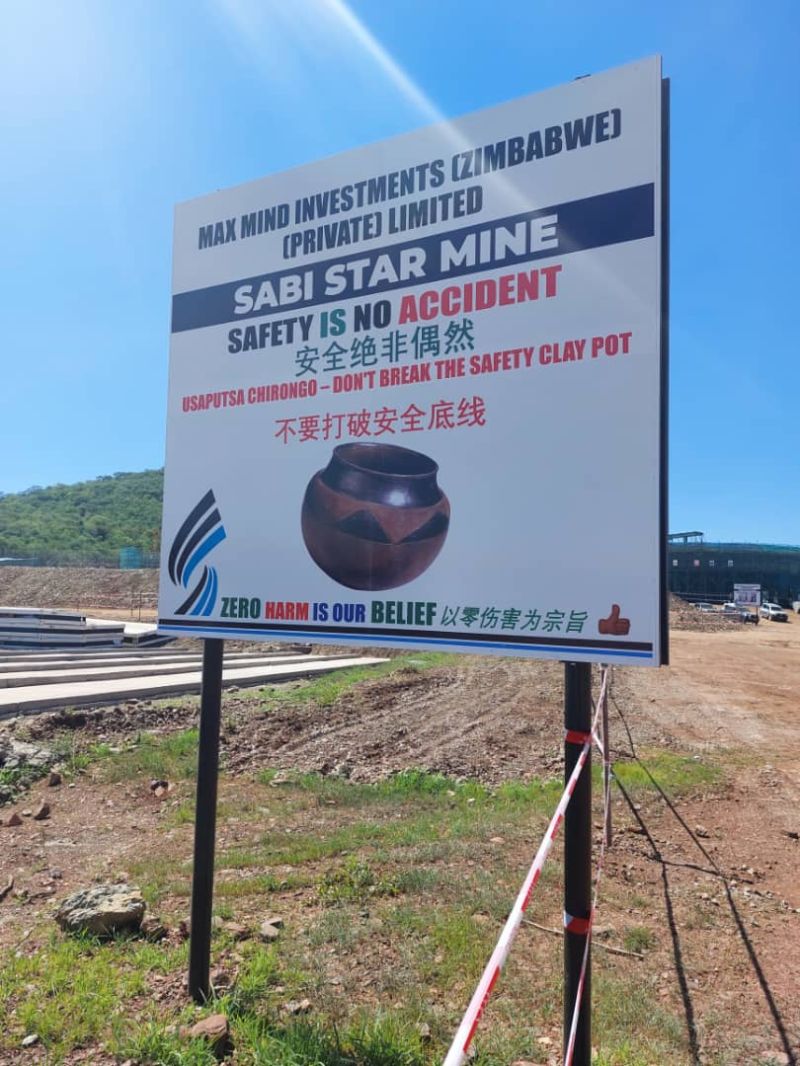
HARARE — Communities in Ward 12 of Buhera District have appealed to Parliament to urgently intervene in what they describe as a deepening environmental, social and economic crisis caused by the operations of Sabi Star Mine. In a petition submitted through the Buhera Residents Network Trust, an organisation founded and directed by community advocate Leonard Mabasa, villagers from Bhidhiri and Murambinda relocated areas accuse the lithium mine of violating constitutional rights, destroying livelihoods and disregarding legal obligations meant to protect citizens. The appeal is contained in a detailed petition which has been seen by Post on Sunday.
According to the petition, residents say they are living in worsening conditions marked by dust pollution, suspected chemical leakage, water shortages and the constant fear of forced relocation. The community alleges that heavy mining trucks travelling on an untarred, bumpy road have turned their villages into clouds of dust, contributing to what they say is a noticeable rise in respiratory illnesses. They report waking up each day between 5am and 7am to what they describe as a strong, sewage-like odour drifting from the mine site, raising fears that chemicals from the mine’s tailings dam are leaking into nearby water bodies such as Mukwasi, Mbenjani, Tame and Madhewu streams. These water sources are essential for livestock, wildlife and everyday household use.

Villagers argue that these conditions amount to a violation of their constitutional right to an environment that is not harmful to health, as guaranteed in Section 73 of the Constitution. They say the mine has shown little regard for their welfare, even as the community continues to suffer physical discomfort, health challenges and psychological distress linked to the ongoing mining operations.
The petition also details growing anxiety over what the community calls “imminent, uncompensated relocation.” Residents report that mine officials frequently install new pegs and conduct field activities without any consultation, creating a climate of fear and preventing families from making improvements to their homesteads. They say their living space is shrinking as mine activities encroach on ancestral farmland and grazing areas. Many villagers claim they have lost their fields, forests, gardens and livestock, all of which formed the backbone of their traditional livelihoods. Some families have also endured the emotional trauma of exhuming and relocating ancestral graves to make way for the mine’s expansion. Homeowners further report structural damage, including cracked walls caused by blasting, for which they say no compensation has been offered despite requirements under the Mines and Minerals Act for mining companies to repair or compensate for such damage.
Water scarcity emerged as one of the most severe hardships outlined in the petition. Residents in Mbenjani, Tame and Madhewu say deep drilling by the mine may have depleted local wells, forcing women and girls to walk up to 6km to fetch water from the Save River. Villagers describe long queues at the only remaining bush pump, with some waiting up to five hours just to fill a single bucket. The burden, they say, has increased risks of domestic violence, harassment and abuse of young girls. Communities relocated to Bhidhiri reported that their water sources are now contaminated, with some suspecting cyanide pollution linked to mining activities. Seven boreholes in the affected villages have collapsed and require immediate repairs. The petition argues that the chronic shortage of clean water violates Section 77 of the Constitution, which guarantees citizens the right to safe, potable water.
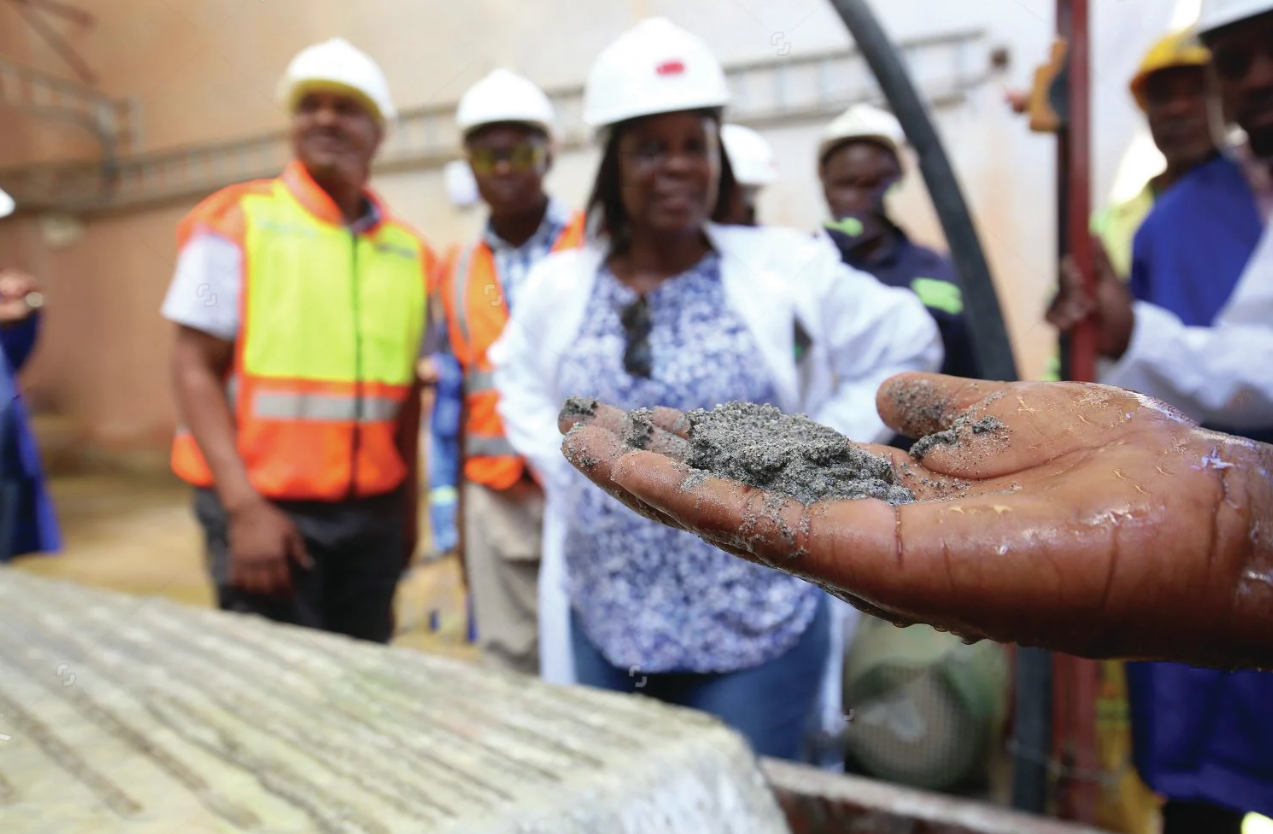
The petitioners also accuse Sabi Star Mine of failing to honour its promises of employment. They say the mine pledged jobs for displaced families and qualified locals, but instead offers short-term contracts lasting as little as two weeks or a month. Most of the sustainable jobs, they allege, go to people from outside the area, leaving communities that lost their land in even deeper poverty. The villagers describe the mine’s promises as “rhetoric” and “greenwashing,” saying that despite the vast economic value extracted from their once-productive land, they have seen no meaningful improvement in their lives.
In their appeal to Parliament, the villagers want an investigation into the mine’s environmental impact, including the suspected leakage of toxic substances and the persistent odour they inhale daily. They are calling for the mine to provide clean water, repair boreholes, remediate any chemical contamination and compensate all affected families for lost land, damaged houses, destroyed livelihoods and the disturbance of graves. They also want a Community Share Ownership Trust established to ensure that locals benefit from the resources being extracted in their area and have demanded transparency in the mine’s employment practices. Another key demand is the tarring of the dust road leading to the mine to prevent further air pollution.
The petition concludes by urging lawmakers to act swiftly, stating that the deteriorating living conditions in Ward 12 now threaten both human health and the long-term sustainability of the community. The Buhera Residents Network Trust, led by Mabasa, says the matter is urgent and requires Parliament to exercise its oversight authority to protect citizens whose lives have been upended by mining activities.
Parliament is yet to respond to the petition.



More Stories
Marital Feud Escalates Into Gun Drama in Rusape
AHF calls for African countries to unite against debt crisis
Pensioners Left Waiting As Billions Sit In Zimbabwe’s Pension Funds