




By Evans Jona
MUTARE — Zimbabwe’s rare-disease patients remain largely invisible, uncounted and underserved due to the country’s failure to establish a coordinated national registry or policy framework. This invisibility continues to expose families to misdiagnosis, stigma and catastrophic financial strain while global awareness of rare diseases grows rapidly.
According to the World Health Organization (WHO), more than 300 million people around the world live with rare conditions, yet many African countries, including Zimbabwe, have no national systems to identify or support them. WHO has acknowledged that this lack of documentation leads to delays in diagnosis, limited treatment options, and severe economic hardship for affected families.
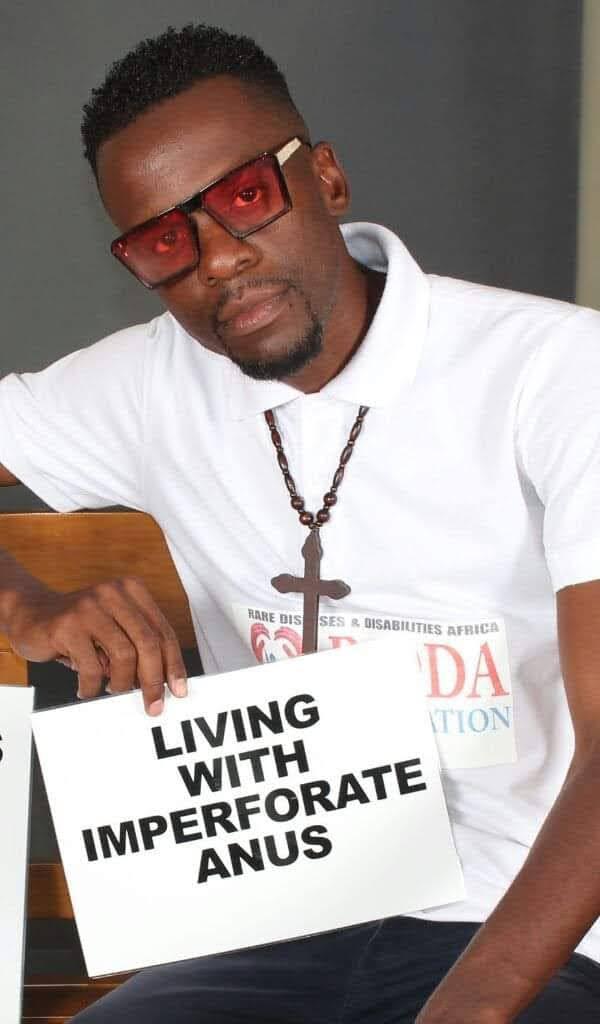
In an exclusive interview with Post On Sunday, Rare Diseases and Disabilities Foundation Africa (RaDDA) founder Tinotenda Mudarikwa said the government “cannot plan for what it does not count,” noting that many Zimbabwean rare-disease patients “do not exist on paper” despite living with life-threatening conditions. He emphasised that without accurate data, policymakers remain blind to the realities faced by families in every province, leaving them to navigate complex and misunderstood conditions alone.
RaDDA has also been appealing for support for affected families who cannot afford assistive devices, medications or basic necessities. NewsDay Zimbabwe has previously reported on cases where individuals living with rare diseases rely entirely on donations to obtain wheelchairs, crutches, white canes or even food. Mudarikwa said these challenges reflect the urgent need for a national system that recognises and responds to the burden of rare diseases.
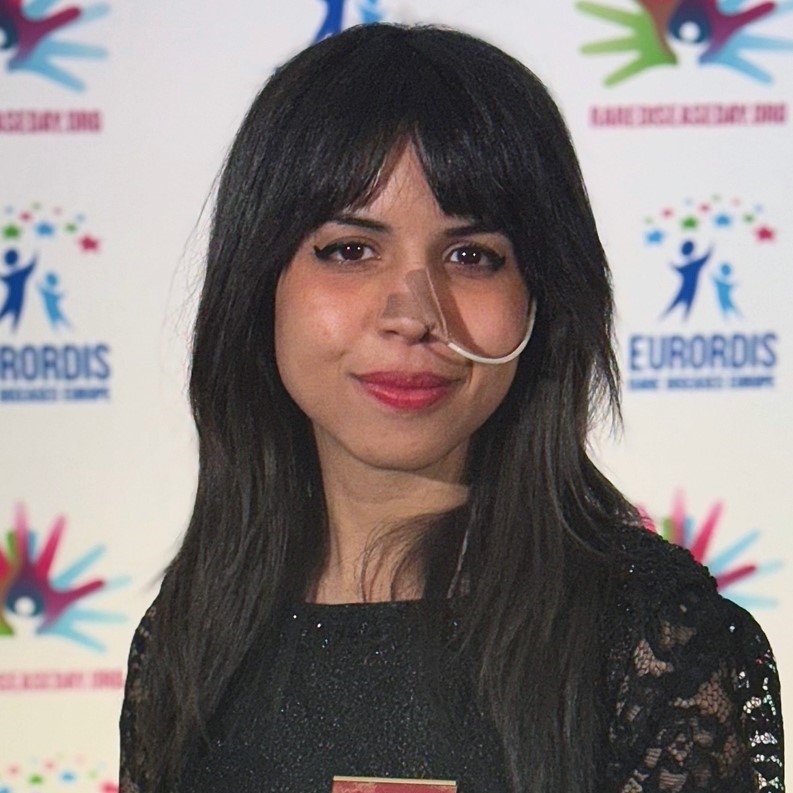
At the 2025 National Press Foundation (NPF) Rare Disease Reporting Fellowship, a week-long series of advanced trainings, briefings and Q&A sessions with international experts and advocates, global youth voices underscored how misdiagnosis and stigma can devastate lives. Rare-disease activist and advocate Yamina Hsaini, founder of “Yamina’s Life,” shared her painful journey of misdiagnosis, recounting how doctors dismissed her symptoms as psychological.
“All the doctors did was give me medication that didn’t work. They kept saying it was all in my head,” she told journalists. Her story mirrors what many Zimbabwean patients experience when they encounter clinicians unfamiliar with rare or complex conditions.
Hsaini explained that social media became a turning point in her journey, saying, “Social media didn’t just give me a voice, it helped many people get the right diagnosis on time.” She urged journalists to embrace their responsibility in shaping public understanding, adding, “As journalists, you have the power to make the invisible visible. Your reporting can truly change lives.” Her message has been welcomed by Zimbabwean advocates, who say that responsible storytelling remains one of the few tools available to bring attention to neglected conditions.
The National Press Foundation notes that the world is entering a transformative moment for rare-disease reporting and scientific innovation. The organisation highlights that for the 300 million people living with rare diseases globally, this period marks an unprecedented era of new tools, treatments and understanding.
However, Zimbabwe risks being left behind if it continues to operate without proper records, diagnostic pathways and policy structures.
Isolated research in Zimbabwe offers glimpses into the hidden burden. A landmark study published in the Journal of Medical Genetics found that oculocutaneous albinism affects approximately one in every 4,728 schoolchildren, signalling significant dermatological and visual-health needs. In 2024, a sickle-cell newborn screening pilot tested 550 infants, the country’s first attempt at early detection of genetic blood disorders, yet no national screening programme exists. International analyses, including a 2023 review in PLOS Digital Health, highlight that rare diseases remain largely unconsidered in African health-data systems, leaving millions untracked.
Families living with rare diseases in Zimbabwe often carry the burden alone. According to Gender Links Southern Africa, many patients experience discrimination, social exclusion and extreme emotional strain, made worse by cultural misconceptions that link unexplained illnesses to curses or witchcraft. Parents frequently travel long distances in search of answers, depleting their savings while enduring repeated misdiagnoses and limited access to specialised care.
In Zimbabwe, advocates like Mudarikwa argue that a national rare-disease registry would transform the landscape by identifying affected individuals, informing resource allocation, guiding procurement of essential medicines and devices, and supporting health-worker training. They warn that without such a system, Zimbabwe will continue to overlook some of its most vulnerable citizens.
As the global rare-disease community moves forward with new technologies, treatments and advocacy models, Zimbabwe’s rare-disease patients remain on the margins of visibility. Their stories, advocates say, must be heard.
As Mudarikwa stated, “If we cannot count the patients, we cannot care for them.”



More Stories
Printflow Showcases Total Printing And ICT Solutions At Sanganai/Hlanganani Expo
Youth Take Lead in Fight Against Gender-Based Violence
Birthday, Power and Politics- Enter Munhumutapa Day