






Chimanimani Case in Zimbabwe Highlights Systemic Gaps…
By Evans Jona
MUTARE, ZIMBABWE — Expert Associate and Secretary of Rare Diseases Croatia and Vice President of the Croatian Neurofibromatosis Association Advocate Ida Mirković Knaus, warns that fragmented advocacy and weak national frameworks leave rare disease patients underserved.
She was speaking to fellows on Day 4 of the 2025 National Press Foundation (NPF) Rare Disease Reporting Fellowship, held online from Nov. 17–21, where 62 journalists from around the world participated in a week-long series of advanced trainings, briefings, and interactive Q&A sessions. This year’s program carried the theme: “Reimagining the Future: Communicating What’s Possible in Rare Disease Innovation.”
“Without national rare disease strategies, everything becomes piecemeal,” Mirković Knaus told participants. “We need coordinated plans, registries, clear referral pathways, and sustained commitment. Advocacy must be organised, strategic, and aimed at policy change.” She stressed that rare disease advocacy cannot rely solely on passion. “Political will is essential. Families deserve visibility, structured care, and systems that function reliably. Patient advocacy groups must work strategically to influence policy, gather data, and secure resources.”
Although Mirković Knaus’s examples came from developed countries, Zimbabwean health-science journalist Luthando Mapepa told Post on Sunday that the challenges she described closely mirror conditions in Africa, particularly in Zimbabwe.

“What Ida described, fragmented advocacy, lack of registries, and absence of national strategies, is exactly what we see in most African countries,” Mapepa said. “Rare disease patients are often left to navigate complex systems alone. Families go without support, medical guidance, or clear treatment pathways.”
Mapepa shared a case from Chimanimani, Manicaland Province, involving a 23-year-old male patient who developed paralysis in his left limbs in 2015. The young man underwent extensive testing, including HIV, heart function, blood pressure, and diabetes screenings, all of which returned normal results. A CT scan in Harare, however, revealed an infarct in the right side of his brain. Doctors determined that his blood was abnormally thick and prone to clotting, though the underlying cause remains undiagnosed to this day. He was prescribed warfarin, a blood-thinning medication, with weekly INR monitoring.
“The treatment carried significant risks,” Mapepa said. “Any injury, accident, or dental procedure could have caused excessive bleeding, even death. Unfortunately, financial difficulties later forced him to stop the medication, leaving him at continued risk.” Through consistent physiotherapy, the patient regained mobility in his legs, but he cannot use his left arm, highlighting both the long-term physical consequences of delayed and partial treatment and the gaps in Zimbabwe’s healthcare support system.
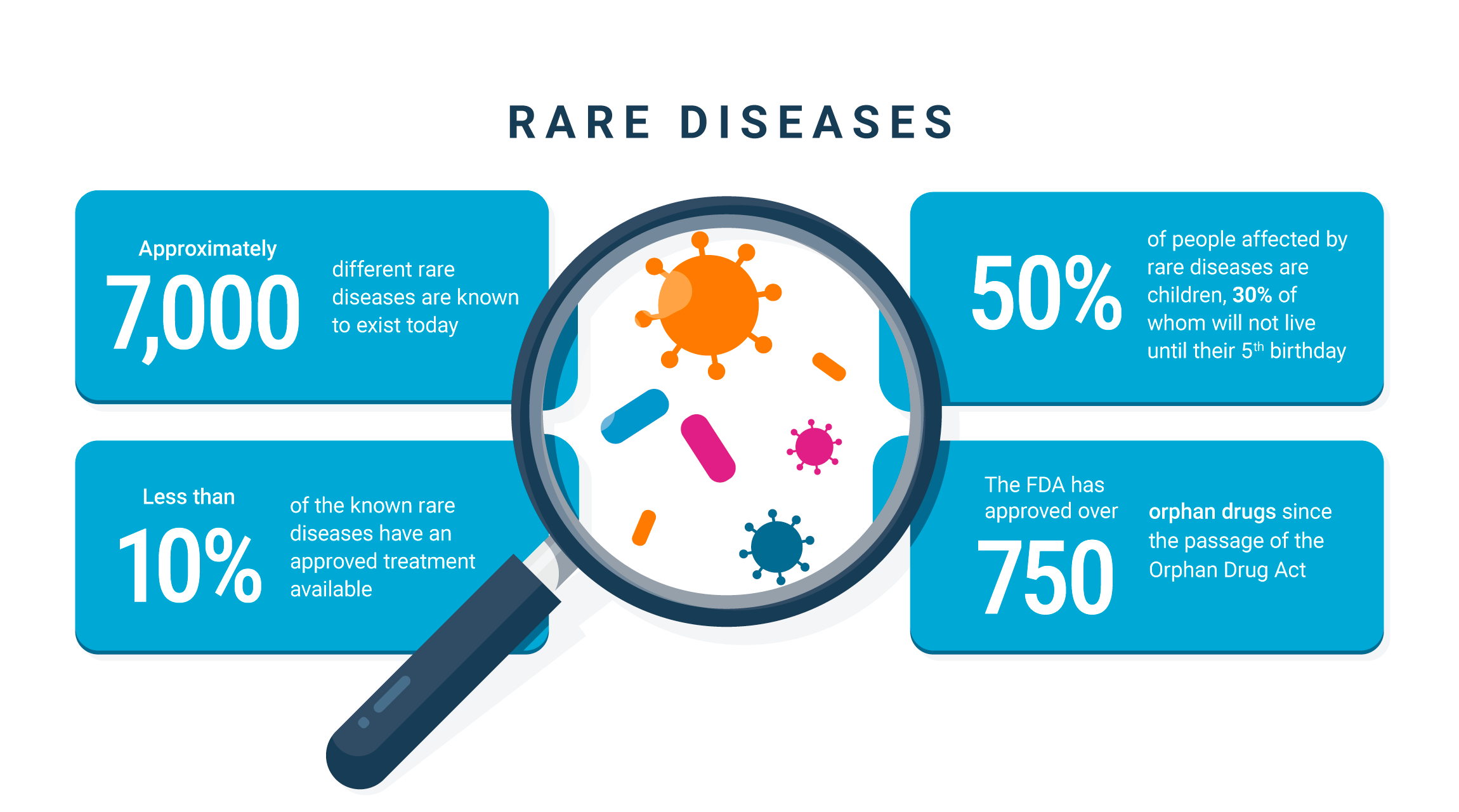
Mapepa said the Chimanimani case illustrates the urgent need for systemic changes. “We cannot leave patients to struggle on their own. The government and health sector must develop a national rare disease strategy, including a patient registry to track conditions. Diagnostic tools, such as CT scans and genetic testing, must be accessible and affordable beyond the capital. Rural clinics should have clear referral pathways to tertiary hospitals to ensure timely care. Financial barriers must also be addressed, so patients do not have to choose between essential medication and survival. Healthcare workers, communities, and patients’ families need training and awareness programs to identify rare diseases early and support patients throughout their treatment journey.”
Mirković Knaus reinforced the importance of structured advocacy. “The most successful rare disease ecosystems, particularly in Europe, are built on decades of consistent policy development, patient-led advocacy, and systemic collaboration,” she said. “Change happens only when advocacy is strategic, coordinated, and backed by committed governments.”
Her presentation was part of the NPF fellowship’s week-long online program, which convened experts in health systems, genetics, patient advocacy, and emerging technologies to help journalists worldwide strengthen reporting on rare diseases.
Evans Jona, the author of this story, is a proud fellow of the 2025–2026 National Press Foundation Rare Disease Reporting Fellowship, joining a global cohort of journalists dedicated to telling these vital stories with both scientific rigor and humanity.



More Stories
Retrenchment Axe Hangs Over TelOne
Printflow Showcases Total Printing And ICT Solutions At Sanganai/Hlanganani Expo
Youth Take Lead in Fight Against Gender-Based Violence