
Five Years Misdiagnosed….
By Evans Jona
National Press Foundation Rare Disease Reporting Fellow (2025–2026)
JOHANNESBURG / MUTARE — When the first symptoms surfaced in April 2013, 28-year-old Letwin Nyakudya tried to shrug them off. Her speech began to slur, her eyelids felt unusually heavy and her body seemed to fatigue faster than her mind could keep up. “People looked at me and saw a normal woman,” she recalls. “But inside, my body was shutting down.” She never imagined that she was at the beginning of a five-year medical odyssey that would alter every part of her life, her autonomy, her relationships and even her sense of self.
As the months rolled on, her body continued to behave in strange, frightening ways. She started tripping over nothing, as though her legs had forgotten their instructions. Food sat in her mouth longer than it should, and swallowing, a simple act most people perform without thinking, became an exhausting task. Some mornings she woke up ready for work, only to fall back into bed moments later, held down by a crushing fatigue she could not explain.
Clinics in Zimbabwe gave her answers that never fit. She was told it was high blood pressure. She was told it was tonsillitis. She was told it was stress. Each visit ended with a new prescription but no relief. “I took all the medications they gave me, but I kept getting worse,” she says. As her health declined, rumours filled the vacuum created by the absence of a diagnosis. Some relatives whispered that she had been bewitched. Others believed her husband was mistreating her because she was losing weight so rapidly. “When people don’t see the illness on your body, they create stories,” she says quietly. “And those hurt more than the symptoms.”
Her independence, once taken for granted, slowly disappeared. Doing laundry became a struggle. Opening a peg felt like lifting a brick. Eventually, even bathing herself became impossible. Her young daughter, only seven at the time, began helping her dress, wash and move around the house. “You don’t want your child to wash you,” Letwin says. “But she did. She had to.”
Her condition worsened sharply. One night, a simple sardine lodged in her throat, leaving her gasping for breath. “I thought: this is it. This is how I die,” she remembers. Nurses again insisted it was tonsils and discharged her. By then, her right eyelid had drooped almost completely shut, and she was seeing double. When she asked a doctor what would happen if her other eye closed, she was told not to worry. “But how do you not worry,” she asks, “when you’re going blind in one eye?”
By 2017, after four years of being shuffled between hospitals without answers, a speech therapist finally urged her to push back. “She told me, ‘Next time, refuse the medication. Demand answers.’” Taking that advice changed everything. Letwin returned to the hospital and refused more prescriptions, forcing a reassessment and eventually a referral to a major facility.
In 2018, desperate for answers, she travelled to Johannesburg. There, on 17 October, a neurologist simply looked at her and named the condition that had stolen half a decade of her life: Myasthenia Gravis, a rare autoimmune neuromuscular disorder that disrupts communication between nerves and muscles. “I finally had a name,” she says. “I wasn’t crazy. I wasn’t cursed. I wasn’t imagining things. I was sick.” Within two weeks of beginning the correct treatment, her strength slowly returned.
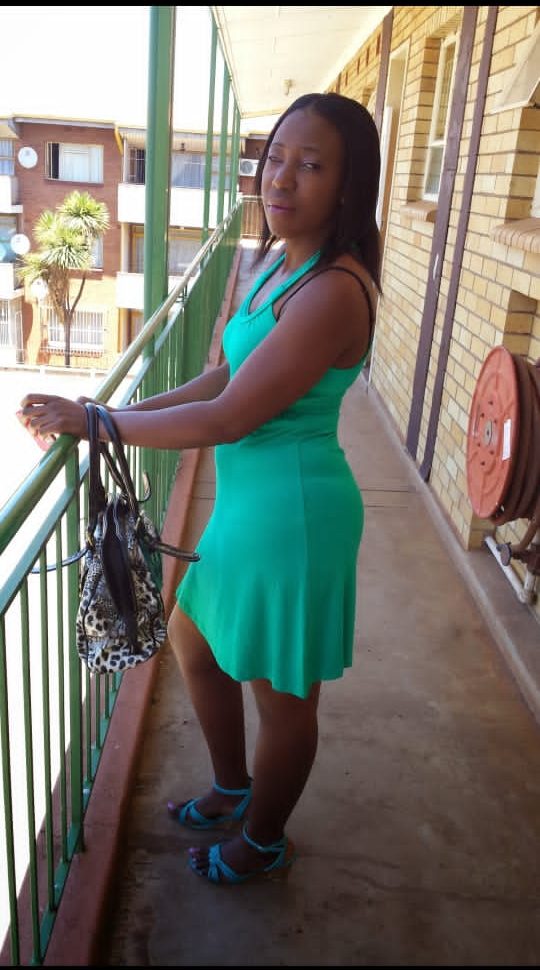
But the diagnosis marked only the beginning of a different kind of struggle. The medication she needed could cost up to R8,000 per month. The nearest hospital equipped to help her was nearly 90 kilometres away. And the drugs, while effective, came with debilitating side effects, severe acidity, painful cramps, weight gain and unpredictable daily weakness. “Some days my legs give in; some days my arms,” she says. “You learn to live hour by hour.”
Despite the challenges, she refused to surrender her aspirations. At the peak of her illness, she applied for a teaching job, completed a cake-decorating course and later earned a postgraduate qualification. “You can die while you are still alive,” she says. “Or you can keep going.”
Public understanding of her condition has been limited. Because Myasthenia Gravis is largely invisible, Letwin is often judged harshly. At work, some colleagues assume she is exaggerating. Relatives, lacking accurate information about rare diseases, occasionally revert to cultural interpretations. The result has been emotional isolation and a shrinking social world. “I don’t have the energy to explain myself to everyone,” she says.
Fortunately, her three children have become her greatest source of support. “God knew what He was doing when He gave me those three,” she says. “They are my caregivers, my strength.”
Her long journey through misdiagnosis, stigma and delayed recognition shines a harsh light on the realities of rare-disease care in Zimbabwe and much of Africa. There is little public awareness, minimal training for frontline health workers, weak referral pathways and no national policy addressing rare conditions. “When HIV started, there were posters, songs, campaigns everywhere,” she says. “For rare diseases, nothing. People are suffering without knowing what they have.”
Her faith deepened during the most difficult days. “When you try everything and nothing works, you know only God remains,” she says. She also remembers meeting a woman named Elaine through an online support group, another Myasthenia Gravis patient taking the same medications. Elaine later died. “It taught me that medicine alone is not enough,” she reflects. “You need God to go through each and every day.”
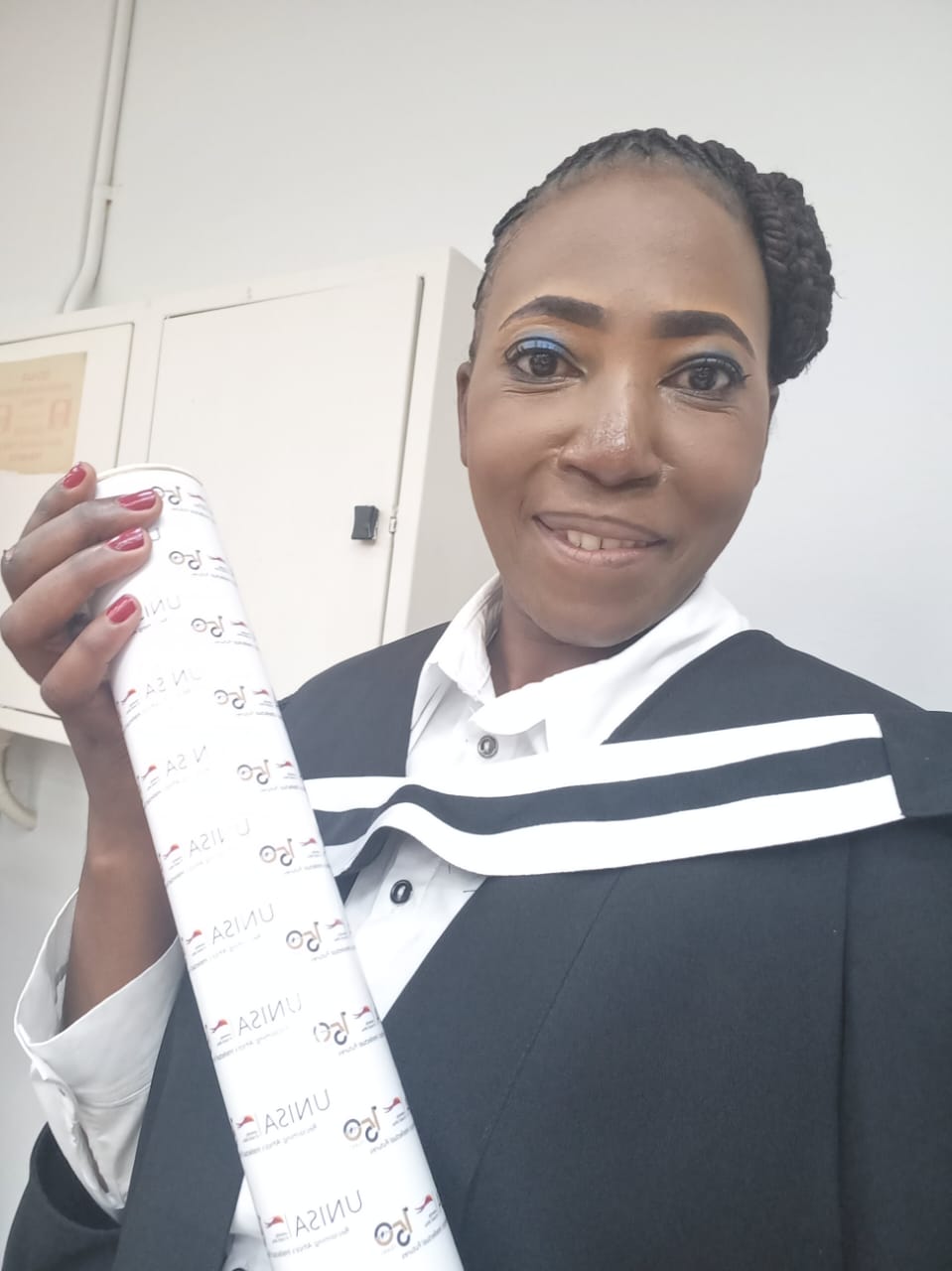
Today, Letwin shares her story to educate others, not to seek pity. “Don’t feel sorry for me,” she insists. “Just learn. So you can help the next person.” She is writing a book about her experience and dreams of establishing a national support network for rare-disease patients in Zimbabwe.
Her advice to newly diagnosed patients is grounded in lived truth: accept the new reality, rest when the body demands it, protect your mental health and surround yourself with positivity. “You don’t need to prove anything to anyone,” she says. “Listen to your body. And never, ever give up.”
Her personal struggle echoes a wider global pattern. At the 2025 National Press Foundation Rare Disease Reporting Fellowship, a week-long programme of advanced training, expert briefings and in-depth Q&A sessions, advocates from around the world described similar experiences of misdiagnosis, stigma and disbelief. Rare-disease activist Yamina Hsaini, founder of “Yamina’s Life,” told journalists how she endured years of dismissal from doctors who insisted her symptoms were psychological. “All the doctors did was give me medication that didn’t work,” she said. “They kept saying it was all in my head.” Her testimony mirrors Letwin’s experience and that of countless others navigating health systems unprepared to recognise rare and complex conditions.
What Letwin endured in silence for five years is a reality for millions across Africa and beyond. Her voice, steady, brave and unshaken, breaks through that silence. And as advocates like Hsaini continue to push for global recognition, their stories form a united call: for healthcare systems to see the unseen, name the unnamed and finally act on the suffering that has been ignored for far too long.
For any questions you might have, Letwin Nyakudya can be reached via email on: letienyakudya@gmail.com

More Stories
Zimbabwe’s Export Engine Fires Up
Southern Africa Rethinks Energy Security as Zimbabwe Pushes Regional Power Integration
AHF calls for African countries to unite against debt crisis