


By Senior Reporter
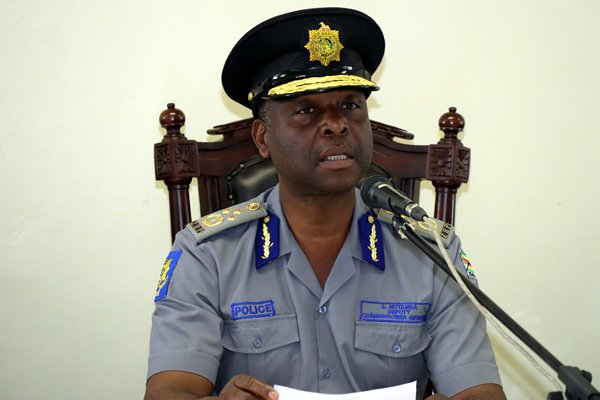
As Zimbabwe continues to grapple with rising criminal activity, questions are mounting over the transparency and responsiveness of the Zimbabwe Republic Police (ZRP), particularly in how crime data is communicated to the public.
While the police were swift to release statistics on road traffic accidents (RTAs) recorded during the recent festive season, figures that show fatalities and accidents more than doubled compared to the same period in 2024, there has been noticeable silence on other critical crime indicators. This publication had earlier requested comprehensive crime statistics, including arrests and convictions, but those figures were not made available.
In 2025, The Post On Sunday formally submitted questions to the national police spokesperson seeking an update on progress made in combating drug peddling and related organised crime across the country. Those inquiries, which were made in the public interest, remain unanswered to date.
The lack of engagement has fueled growing public concern. Citizens are increasingly demanding clarity on how many arrests were made during the festive season, the nature of crimes committed, and the outcomes of those cases. For many, access to such information is not merely about numbers, but about accountability and confidence in law enforcement institutions.
Zimbabwe has in recent years faced a surge in armed robberies, violent crime, and widespread drug abuse, particularly among youths. The proliferation of illicit substances has had far-reaching social consequences, straining families, communities, and public health systems. Yet, in the absence of regular, detailed police briefings, the public is left to speculate on whether meaningful progress is being made to curb these trends.
Compounding the situation are persistent allegations implicating former and serving members of the security sector in criminal activities. A number of cases have surfaced in which security personnel have been arrested and charged for offences ranging from robbery and smuggling to abuse of office. These developments have further eroded public trust and intensified calls for internal accountability within the security services.
The police, in particular, have faced recurring accusations of extortion and bribery, especially at roadblocks and checkpoints. Motorists and transport operators frequently allege that bribes are demanded in exchange for passage, turning routine law enforcement operations into opportunities for illicit gain.
Even more troubling are claims, widely shared in communities and on social media, that some officers are complicit in the drug trade, allegedly turning a blind eye to known dealers and distribution points in exchange for bribes. While such allegations require thorough investigation and due process, their persistence points to a deep-seated perception problem that authorities cannot afford to ignore.
Analysts argue that transparency is one of the most effective tools in the fight against crime and corruption. Regular publication of crime statistics, clear communication on arrests and prosecutions, and open engagement with the media and the public are seen as essential steps in restoring confidence.
In a country facing severe economic pressures, some observers note that corruption within law enforcement is often rationalised as a survival mechanism in a harsh operating environment. However, civil society groups warn that such reasoning, if left unchecked, risks normalising criminal behaviour within institutions tasked with upholding the law.


More Stories
Zimbabwe’s Second Bid to Remove Vendors from Harare Streets Triggers Fresh Livelihoods, Law and Order Clash
Zimbabwe Mourns Again as Chivhu Road Horror Claims 27 Lives
Zimbabwe’s Long Shadow of Political Fear