





By Evans Jona
HARARE — Mobile network operator NetOne has introduced a Reverse Calling service, also known as “Pay for Me,” a development clients say responds directly to everyday communication challenges faced by many Zimbabweans who often find themselves without airtime when important calls need to be made.
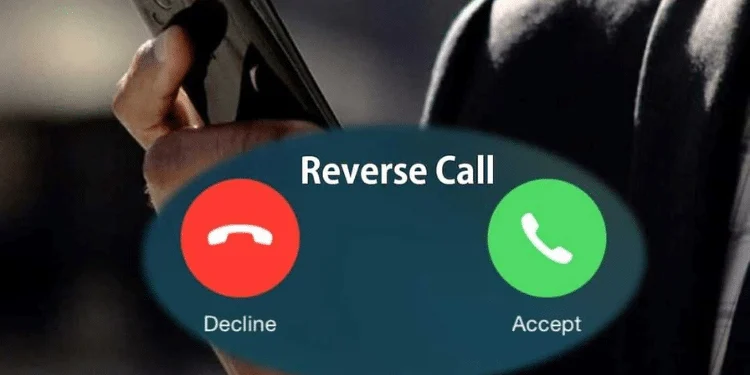
The service allows a NetOne client with zero airtime to initiate a call, with the cost transferred to the receiving party if they agree to accept and pay for the call. The recipient is notified before the call connects and remains fully in control of whether to accept or decline the request. If the call is declined, no charges apply to either party.
The innovation was informed by the reality that life does not wait for airtime, with emergencies, job opportunities and urgent personal matters often arising when subscribers have no balance.
Clients say the absence of airtime continues to disrupt communication across households and livelihoods, resulting in missed opportunities and unresolved emergencies.
“Every day, people fail to make important calls simply because there is no balance,” said Hector Simbi a NetOne client in Harare. “A parent may fail to reach a child, a student cannot call home, a job seeker cannot follow up on work, or a traveller may be stranded and unable to ask for help.”
Reverse Calling was designed specifically for such real-life situations, allowing communication to continue even when money for airtime is unavailable.
With the service, a client initiates a call as usual. The person being called receives a prompt informing them that the caller has no airtime and is requesting them to pay for the call. If they agree, the call connects normally. If they decline, the call ends immediately without any charges being applied.

NetOne user Charlene Tembo applauded the transparency of the system, highlighting it as key to its appeal.
“The person receiving the call is always informed and always in control,” NetOne said. “There are no tricks, no confusion and no automatic billing,” she said.
She added that: “The service is particularly beneficial for students who need to call home about fees, vendors confirming deliveries, farmers trying to reach buyers, and young people following up on employment opportunities.”
In a working environment where disposable income is limited, clients say the service acknowledges the fact that while airtime may run out, the need to communicate does not.
“You may not have airtime today, but you still have a voice,” said Tanaka Chirange. “You still have needs, and there are people who depend on you, just as you depend on others.”
The introduction of Reverse Calling was not about introducing a flashy product, but about ensuring communication remains accessible during difficult economic conditions.
“When people communicate, problems get solved. When people talk, opportunities open,” NetOne said. “Connection keeps families together and businesses running.”
Clients also welcomed the service as a move that reduces the embarrassment and frustration often associated with having no airtime, replacing missed calls and “please call me” messages with actual conversations.
Industry analysts note that such value-driven innovations are increasingly important as mobile network operators seek to remain relevant to consumers facing prolonged economic pressure.
Reverse Calling reflects its commitment to understanding how Zimbabweans live and communicate.
“No one should fail to speak simply because their balance is zero,” the company said, adding that no Zimbabwean should be disconnected when connection matters most.
The Reverse Calling service is now available to NetOne clients nationwide.



More Stories
Retrenchment Axe Hangs Over TelOne
Printflow Showcases Total Printing And ICT Solutions At Sanganai/Hlanganani Expo
Youth Take Lead in Fight Against Gender-Based Violence