






By Shingirai Vambe
Zimbabwe’s agricultural sector is undergoing renewed scrutiny as farmers, labour experts and industry representatives begin confronting longstanding challenges surrounding labour rights, safety standards and wages across the country’s farms.
At the centre of the discussions is growing concern over the conditions faced by farmworkers, particularly in the wake of Zimbabwe’s land reform programme and the profound structural changes that reshaped the agricultural landscape over the past two decades.
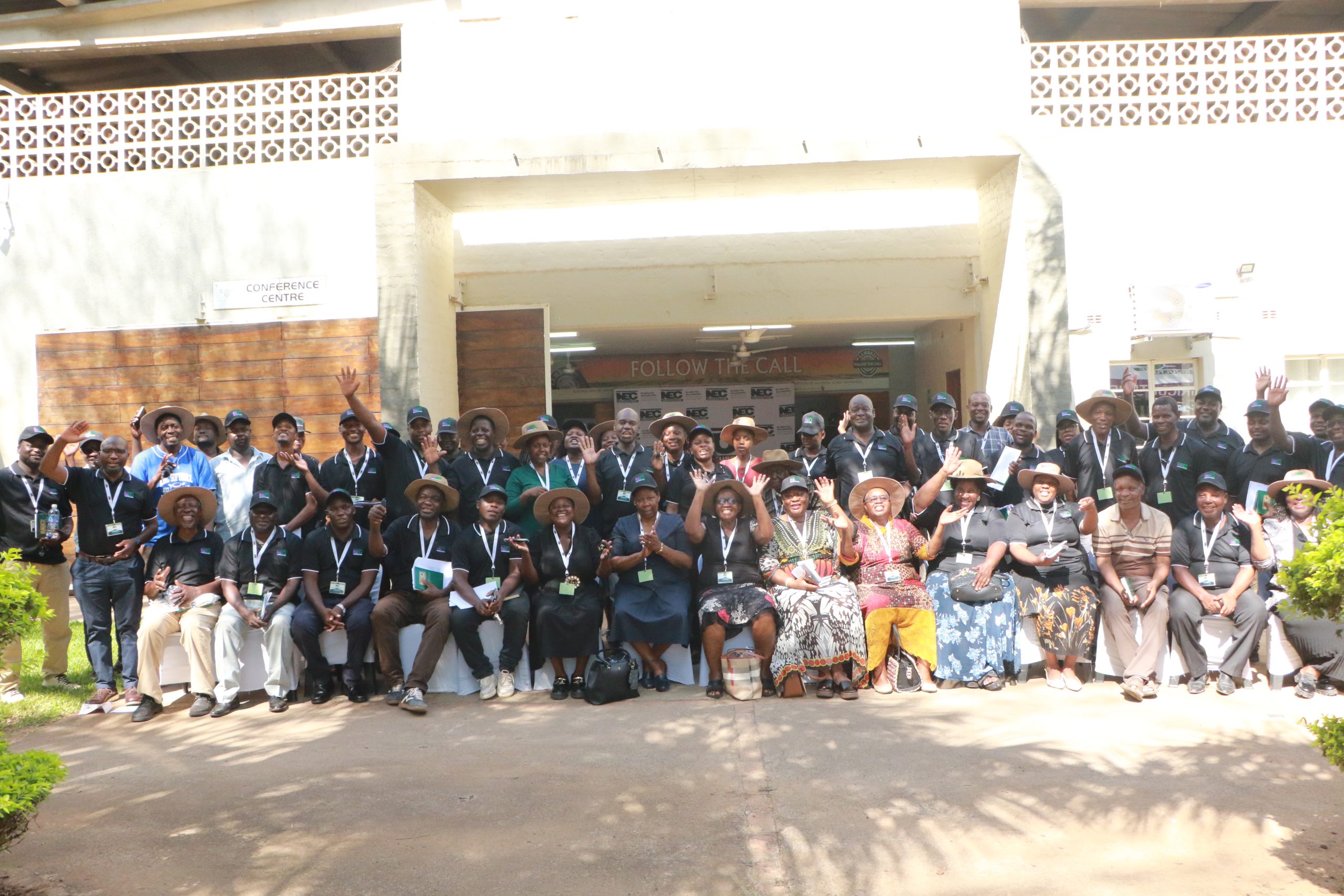
During an interface meeting held in Chiredzi, agricultural stakeholders gathered to review new research findings aimed at realigning labour practices with modern expectations of workplace safety, fair wages and professional employer–employee relations.
The meeting, held at the Palm Tree Place, brought together cane farmers and industry leaders who were presented with detailed research and data analysis by Brian Muchena, a consultant with the National Employment Council for the Agricultural Industry.
Muchena presented findings from a survey conducted among cane farmers in Zimbabwe’s Lowveld, highlighting deep changes in labour structures within the agricultural sector.
The research revealed that Zimbabwe remains among the countries that recorded significant cases of child labour following the land reform exercise, with many workers lacking formal skills or proper identification documents. Some of the labour force on farms also includes migrants from neighbouring countries who often work under uncertain legal and social conditions.
The findings sparked serious reflection among farmers attending the meeting, many of whom expressed determination to transform labour practices within their industry.
Mrs trish Huni confirmed with this publication, that most of the workers are not skilled, and due to life demands, as farmers and employers they are forced to give in as a means of life support.
Participants acknowledged that agriculture, which remains one of Zimbabwe’s most important economic sectors, must evolve to meet modern labour standards and ensure workers are treated fairly and safely.
The research presented at the meeting also highlighted how Zimbabwe’s land reform programme dramatically altered the lives and livelihoods of farmworkers who once worked on large-scale commercial farms.
While the reforms redistributed land and created thousands of new small-scale and medium-scale farmers, the transition also reshaped the labour system that had existed for decades.
Researchers say that although new forms of employment and livelihood strategies have emerged since land reform, it remains difficult to determine whether former farmworkers are better or worse off today.
What is clear, however, is that livelihoods have changed significantly, creating new vulnerabilities that require policy attention, fund mechanisms and continuous training.
In many resettlement areas, mixed farming systems have emerged, combining commercial crops such as tobacco with food crops including maize, soybeans and horticultural produce. Livestock production has also become part of the farming system.
Despite these developments, many farmworkers continue to face precarious livelihoods, poor working conditions and limited access to productive assets.
Experts warn that treating all farmworkers as a single uniform group oversimplifies a complex reality. Instead, new patterns of social differentiation, class dynamics and gender roles have emerged within rural farming communities.
Understanding these dynamics, analysts say, is crucial for developing policies that effectively address labour rights and rural livelihoods.
Zimbabwe’s agricultural labour system has deep historical roots dating back to the colonial era, when expanding commercial agriculture required large numbers of workers to sustain production.
During this period, commercial farming operations were largely controlled by European settlers, and labour was recruited not only from across Zimbabwe but also from neighbouring countries in the region.
Workers migrated from countries such as Malawi, Zambia and Mozambique, particularly during periods of conflict and economic hardship in their home countries.
Crops such as tobacco, which became dominant in Zimbabwe’s highveld farming regions, required intensive labour for planting, harvesting and processing.
Farmers constructed large worker compounds where labourers and their families lived, often under difficult conditions characterised by low wages, inadequate housing and limited access to services.
The labour system was largely paternalistic, with farmworkers dependent on farm owners for employment, housing and basic welfare. Workers had limited mobility and were often restricted from seeking employment outside the farms.
After Zimbabwe gained independence in 1980, the agricultural sector underwent several policy changes that reshaped labour relations.
Government regulations introduced minimum wages and labour standards requiring employers to provide housing and welfare services to farmworkers. However, enforcement of these regulations remained inconsistent.
As global markets became more competitive, commercial farmers were forced to modernise and specialise to remain competitive in export markets, particularly in crops such as tobacco, citrus, horticulture and beef.
These changes led to the gradual professionalisation of agricultural labour systems, with clearer job roles, skill requirements and management structures.
At the same time, there was a growing reliance on temporary and casual labour, particularly for seasonal agricultural activities.
Many workers began living in informal settlements near farms or in surrounding communal areas, combining temporary farm work with other income-generating activities.
Labour rights groups and non-governmental organisations have long advocated for improved working conditions for farmworkers in Zimbabwe.
Before land reform, several organisations provided welfare services, health support and labour rights advocacy for farm communities.
These included initiatives aimed at improving access to healthcare, education and legal protection for workers.
The HIV/AIDS epidemic also had a profound impact on farm communities, causing significant illness and mortality among workers.
The crisis left many children orphaned and living on farms without parental support, placing additional pressure on welfare organisations and community support systems.
Against this backdrop, the discussions held in Chiredzi signal a growing recognition within the agricultural sector that labour relations must be modernised.
Farmers attending the meeting agreed that improving labour standards, ensuring worker safety and strengthening employer–employee relations are essential steps for building a sustainable and competitive agricultural industry.
For many participants, the research presented by Muchena served as a wake-up call, highlighting the urgent need to address longstanding labour challenges while adapting to the changing realities of Zimbabwe’s rural economy.



More Stories
Zimbabwe’s Second Bid to Remove Vendors from Harare Streets Triggers Fresh Livelihoods, Law and Order Clash
Worse Before It Gets Better In Zimbabwe
Zimbabwe Mourns Again as Chivhu Road Horror Claims 27 Lives