





The Post On Sunday
The diplomatic standoff between Washington and Abuja has intensified, with Nigerian President Bola Ahmed Tinubu refusing to yield to growing pressure from US President Donald Trum, pressure that analysts say is increasingly aimed at reasserting America’s grip on global markets and political alliances.
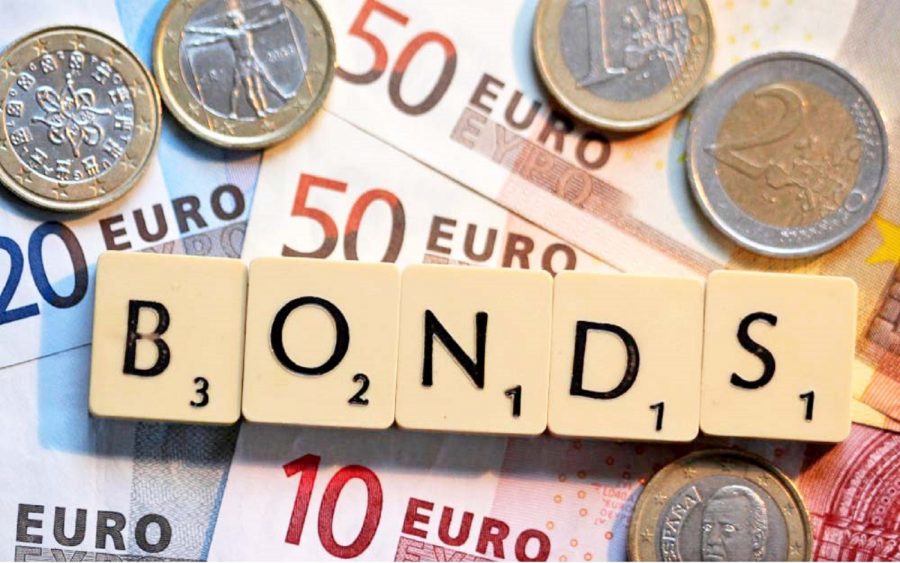
Despite a volatile geopolitical climate, Nigeria is pressing ahead with plans to raise US$2.3 billion in eurobonds this week, a move seen by many as a bold test of investor confidence at a moment when tensions with Washington have rattled the markets.
According to people familiar with the matter, Nigeria intends to issue 10-year bonds, along with 15- or 30-year securities, pending final approval from the justice ministry. The offering follows Nigeria’s previous US$2.2 billion issuance in December and marks the country’s continued engagement with the international debt markets, at a time when Trump’s threats have introduced new uncertainties.
The planned sale comes days after Trump publicly threatened military action against Islamist militants in Nigeria, accusing the Tinubu administration of failing to prevent targeted killings of Christians. His remarks triggered a brief selloff in Nigerian sovereign debt and stoked fears of another diplomatic rupture.
Nigeria, however, has shown no signs of backing down. Tinubu Responds, “Nigeria Stands Firmly as a Democracy”
In a strongly worded statement posted to X, President Tinubu dismissed Trump’s remarks as misleading and inflammatory.
“Nigeria stands firmly as a democracy governed by constitutional guarantees of religious liberty,” Tinubu wrote.
“Since 2023, our administration has maintained an open and active engagement with Christian and Muslim leaders alike, and continues to address security challenges which affect the people of Nigeria.”
Government insiders say Trump’s threats briefly delayed finalization of the eurobond documents, but only momentarily. Instead of retreating, Abuja doubled down on its position, signaling to the world that Nigeria will not allow Washington’s political manoeuvres to dictate its economic strategy.
Nigeria is not alone in its pursuit of foreign-currency borrowing. Kenya and Angola have also tapped international markets this year, buoyed by expectations of further interest-rate cuts from the US Federal Reserve. Global investors, once cautious, are showing renewed appetite for high-risk, high-yield emerging market debt.
Average spreads for African sovereign bonds have fallen sharply, dropping nearly 50% since April to around 367 basis points over US Treasuries, according to JPMorgan indexes.
Nigeria’s eurobond due in 2051 has reflected this volatility. Its price has dipped slightly over the past two days, settling at 91.05 cents, pushing yields to 9.14%, still far below the 12.11% peak recorded in April.
The scale and confidence of Nigeria’s financial partners underscore the government’s determination, Chapel Hill Denham, JPMorgan Chase & Co., Standard Chartered Plc, Citigroup Inc and Goldman Sachs Group Inc.
These institutions are serving as joint lead managers for the sale, with FSDH Merchant Bank Ltd. acting as financial advisor.
Nigeria’s National Assembly has already approved the external borrowing plan, which includes US$500 million in sukuk Islamic notes. Meanwhile, the country faces a looming US$1.12 billion eurobond maturity on November 21, adding urgency to the forthcoming issuance.
Analysts say the Tinubu–Trump clash is symptomatic of a larger geopolitical shift. As African nations seek greater economic autonomy, the US appears intent on preserving its traditional influence. Trump’s criticism of Nigeria’s internal security matters, and his hinted threat to cut US aid, have been viewed in Abuja as an attempt to strong-arm the continent’s largest economy.
Yet the response from Nigeria, and increasingly from other African nations, suggests a new era of diplomatic assertiveness.
For Tinubu, pushing ahead with the eurobond sale despite market jitters said,
Nigeria will not be bullied into policy concessions, even by the world’s most powerful nation.
Nigeria’s timing coincides with a historic surge in emerging-market borrowing. Governments across the developing world have issued more than US$245 billion in US- and euro-denominated bonds so far this year, the highest full-year figure since at least 2014.
About The Author



More Stories
When Crime Captures the State, Madlanga Commission Sends Shockwaves Across the Region
Good Start, Grim Outlook
Zimbabwe’s Descent into Organised Crime