




Why organised networks thrive as institutions fail…
By Shingirai Vambe
Growing concern over drug abuse, illicit peddling, and systemic corruption has once again cast Zimbabwe into the spotlight as a country increasingly vulnerable to organised crime. What is emerging, analysts warn, is not a series of isolated incidents but a deeply rooted crisis that cuts across state institutions, local authorities, and even sectors traditionally entrusted with enforcing the law.
From the streets to council offices, and from border posts to mining corridors, the signs point to a troubling pattern: organised criminal networks appear to be thriving within spaces meant to uphold public order and accountability. The security sector and the Ministry of Local Government have not been spared scrutiny. For years, critics say, local authorities have presided over opaque land sales and leasing arrangements that disproportionately benefit those with proximity to power, while ordinary workers and residents continue to suffer.
This contradiction was laid bare during a recent Wednesday parliamentary question-and-answer session, where the Minister of Local Government and Public Works, Daniel Garwe, faced pointed questions from Chiredzi Central Member of Parliament, Ropafadzo Makumire. The MP sought clarity on the ministry’s apparent silence in the face of widespread abuse of local authority employees, many of whom have gone for months, and in some cases years, without salaries.
The minister’s response, or lack thereof, left many Zimbabweans perplexed. Several local authorities, including Chiredzi Town Council, have failed to pay workers on time, while others are buried under massive salary arrears. Rusape Town Council stands out as an example, reportedly owing employees close to three years’ worth of unpaid salaries. This, residents note, has happened while the ministry continues to facilitate workshops, conferences, and international trips for council officials, Rusape included, often at the expense of ratepayers.
For workers, the consequences are devastating. Families struggle to survive, school fees go unpaid, and household stability crumbles. In Makoni District, council employees have reportedly been forced into offset arrangements with service providers in lieu of salaries, a practice that further undermines dignity and service delivery. Meanwhile, the sale and leasing of residential and commercial stands have continued uninterrupted, alongside daily revenue collection from vendors and traffic fines, raising uncomfortable questions about where the money goes.
Parliamentary debate on the issue grew even more contentious when Bindura South Member of Parliament and Chairperson of the Portfolio Committee on Mines and Mining Development, Honourable Remigios Matangira, appeared to buttress Hon Ropafadzo Makamure’s position. Critics described the response as dismissive and arrogant, unbefitting of an office tasked with safeguarding public welfare.
Mutare resident, Joseph Mapiye described Minister Garwe, ignorant to his mandated busines, as he read through a responses expected of him to respond eloquently with full knowledge of the value the question carried for the citizens of Zimbabwe.
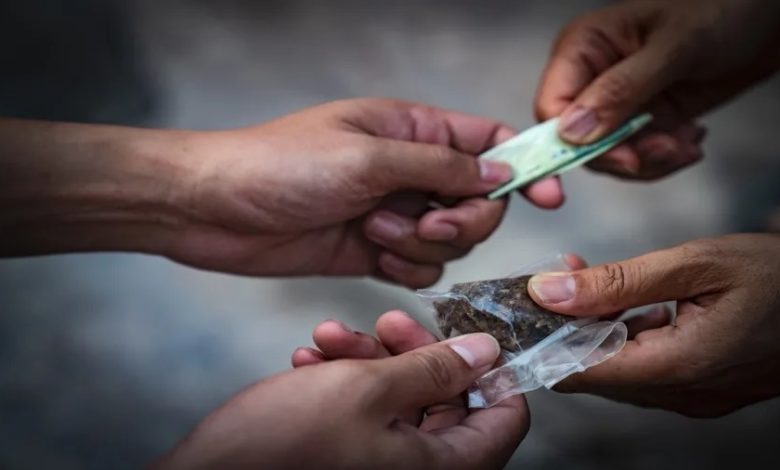
As councils fail to meet their basic obligations, a dangerous survival economy has taken root. Some council workers, according to multiple accounts, have resorted to informal and illicit means to make ends meet, building houses, acquiring vehicles, and, in the most alarming cases, engaging in the drug trade. The peddling of illicit substances, particularly marijuana, is no longer confined to criminal syndicates operating in the shadows. In parts of Manicaland and Makoni District, allegations persist that even members of the uniformed forces are openly involved in drug sales on the streets.
The questions are as disturbing as they are unavoidable, Do law enforcement agencies truly not know who the peddlers are, or where they live? Or has enforcement itself been compromised? Reports of bribery, extortion, and selective policing have become commonplace, with officers allegedly demanding payments from drug dealers as a means of survival in an economy where salaries no longer meet basic needs.
Recently, a police officer was arrested after a dramatic high-speed chase that ended with the recovery of a drug consignment valued at US$19,000.
As the old proverb goes, the rot often starts from the head.
Speaking to The Post On Sunday, Farai Maguwu, the founding Director of the Centre for Natural Resource Governance (CNRG), described organised crime in Zimbabwe as a full-blown national crisis.
“I think the issue of organised crime in Zimbabwe is now a very big crisis,” Maguwu said. He pointed to findings by the Global Initiative Against Transnational Organized Crime, which consistently rank Zimbabwe as a country where organised criminal activity is widespread and deeply entrenched.
“It spans across all sectors, especially mining and the extractive industries,” he said. “But it is also involved in drugs. The whole country right now is infested with drugs, and that means criminal networks have found ways of manipulating our border systems to bring drugs into Zimbabwe and trade them internally.”
Maguwu warned that the problem is compounded by the involvement of state actors.
“Unfortunately, even some police officers themselves are now also on drugs,” he said, adding that organised crime is also manifesting through wildlife poaching, with animal parts destined for markets in Asia. “That tells you the network includes people from security, border control, aviation, shipping, it’s a labyrinth of actors.”
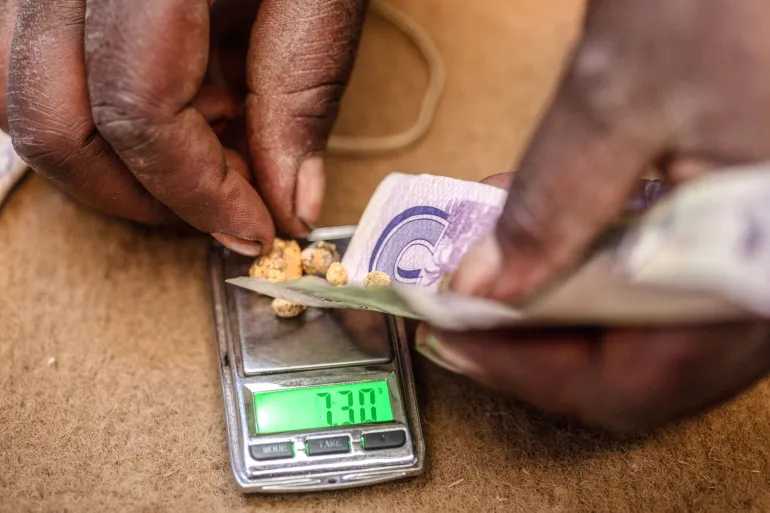
He referenced the Al Jazeera Gold Mafia documentary as a turning point in public awareness, revealing how organised crime in Zimbabwe brings together politicians, businesspeople, smugglers, and state officials in what he described as “an intricate web of criminals.” Some, he said, are “state-embedded criminals” who exploit their proximity to power to engage in illicit activities with impunity.
At the heart of the crisis, Maguwu argues, lies Zimbabwe’s collapsing economy.
“Low wages, and the decision by government to pay civil servants in a currency that is effectively worthless, are greatly contributing to organised crime,” he said. “No one can survive on those salaries. That makes civil servants vulnerable and, in some cases, willing accomplices.”
He stressed that addressing organised crime requires more than sporadic arrests.
“It needs a holistic approach, economic reform, serious law enforcement, and a justice system that works,” he said.
“Right now, people who should not get bail are getting it. Sentences are too lenient. And some individuals remain untouchable despite overwhelming evidence.”
Regionally, Zimbabwe’s predicament mirrors developments elsewhere in southern Africa. In South Africa, the ongoing Madlanga Commission has laid bare the extent of organised crime and state capture, implicating police, ministers, and politicians. Revelations by KwaZulu-Natal Police Chief Nhlanhla Mkhwanazi have been credited with exposing networks that were bleeding public resources, prompting Pretoria to appoint a new Prosecutor-General.
For Zimbabwe, the warning signs are unmistakable. As exposed by Gold Mafia and echoed by governance experts, the country stands at a crossroads. Without decisive economic reform, institutional accountability, and political will, organised crime risks becoming not just a feature of the system, but the system itself.



More Stories
Marital Feud Escalates Into Gun Drama in Rusape
Zimbabwe’s Export Engine Fires Up
Southern Africa Rethinks Energy Security as Zimbabwe Pushes Regional Power Integration