






By Shingirai Vambe
Hosted by the International Telecommunication Union (ITU), the high-level forum brought together ministers, regulators, policy experts, telecommunications operators and development partners from across the continent to deliberate on the future of Africa’s digital regulatory landscape.
At the centre of the discussions was Cosmas Luckyson Zavazava, Director of the ITU Telecommunication Development Bureau, who warned that Africa risks remaining digitally dependent if it fails to urgently build robust policy, regulatory and governance frameworks capable of responding to emerging technologies such as artificial intelligence, cybersecurity, digital infrastructure and cross-border data governance.
Addressing delegates at the forum officially opened in Victoria Falls, Zavazava described the gathering as a defining policy moment for Africa’s digital future.
“We meet at a critical juncture,” he said.
“The world is racing toward 2030, and Africa is determined to define the terms of its own digital future.”
The forum comes at a time African governments are increasingly under pressure to modernize telecommunications regulation, bridge digital exclusion, strengthen cybersecurity laws, protect citizen data and create enabling environments for digital investment and innovation.
Despite rapid technological growth globally, Africa still faces major structural challenges including expensive internet costs, fragmented regulatory systems, weak digital infrastructure, low rural connectivity, limited device access and growing dependence on foreign digital platforms and technologies.
Against this backdrop, the ITU forum focused heavily on operationalizing the Regional Initiatives for Africa adopted during the 2025 World Telecommunication Development Conference held in Baku, Azerbaijan.
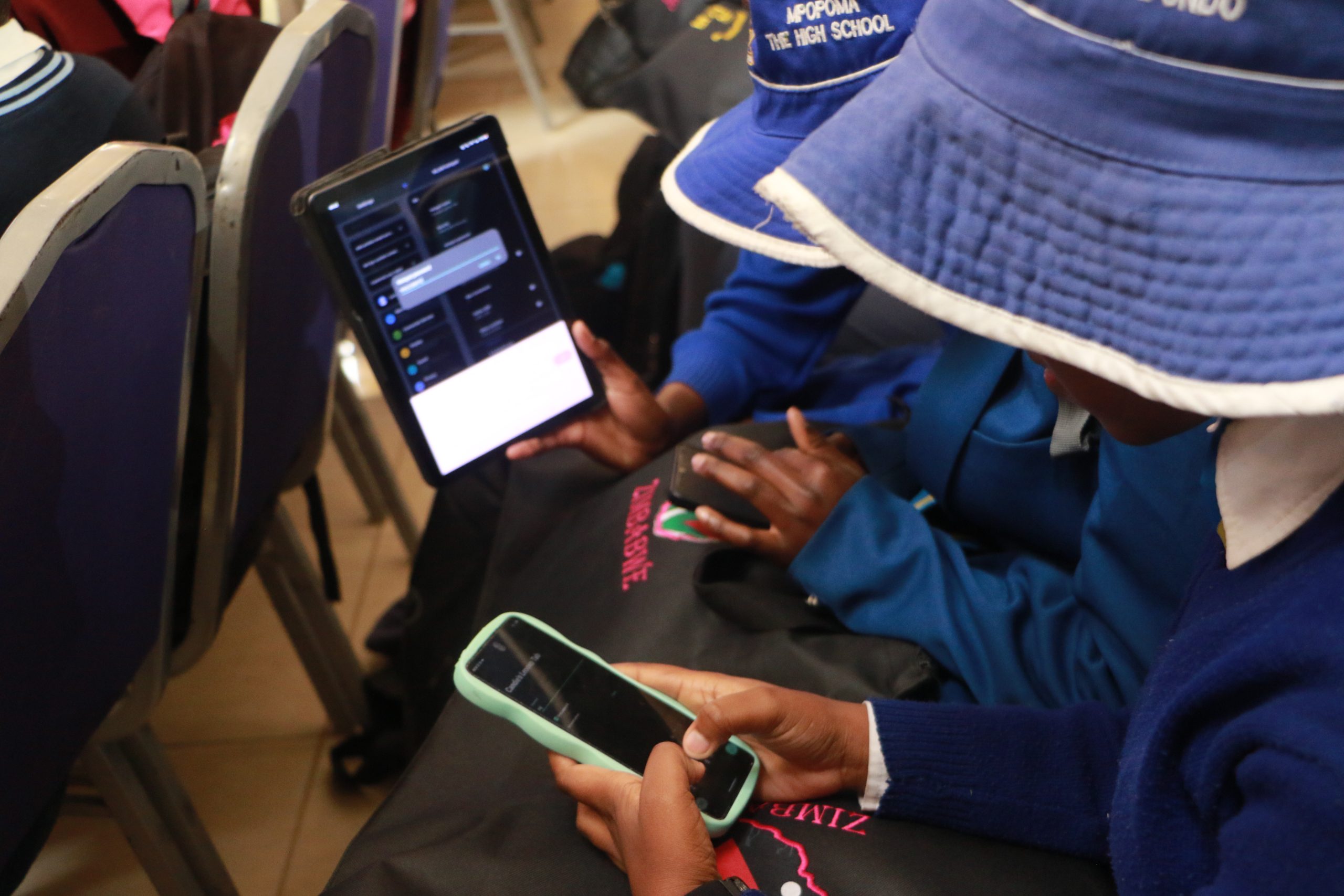
The initiatives, which now form part of Africa’s digital policy roadmap between 2026 and 2029, place significant responsibility on regulators and governments to move beyond traditional telecommunications oversight toward broader digital governance.
The first initiative focuses on resilient digital infrastructure and universal affordable connectivity, an area many African countries continue struggling to implement due to high infrastructure costs, funding gaps and uneven rural network deployment.
For regulators, this means balancing market liberalization, investor confidence and consumer protection while ensuring operators extend services beyond profitable urban markets.
Zavazava warned that connectivity must no longer remain a privilege for urban populations while rural communities continue excluded from the digital economy.
“We are here in Victoria Falls to declare that this era of digital apartheid must end,” he said.
The second initiative centres on developing inclusive and trustworthy artificial intelligence ecosystems across Africa, placing policymakers under increasing pressure to craft AI governance frameworks capable of addressing ethical risks, algorithmic bias, data exploitation and digital inequality.
As global debates intensify around artificial intelligence regulation, African countries are now seeking to ensure their values, languages, cultures and governance systems are reflected within emerging technologies.
Zavazava cautioned that Africa cannot afford to remain merely a consumer of foreign-designed technologies.
“Africa must not be a consumer of algorithms built elsewhere; we must be the architects of ethical, localised AI,” he said.
The third regional initiative focuses on cybersecurity, trust and safety in digital systems, an issue becoming increasingly urgent as cybercrime, online fraud, data breaches and digital surveillance threats continue growing across the continent.
For telecommunications regulators and ICT ministries, the challenge now extends beyond spectrum allocation and licensing into cyber governance, digital rights protection and data privacy enforcement.
Zimbabwe’s telecommunications regulator, Postal and Telecommunications Regulatory Authority of Zimbabwe (POTRAZ), was highlighted during the forum for its growing role in regional data protection and cybersecurity capacity building within Southern Africa.

The regulator has recently intensified work around data protection training, cyber awareness and digital trust frameworks as Zimbabwe seeks to align itself with continental and international ICT governance standards.
The fourth regional initiative discussed at the forum focuses on digital innovation ecosystems and support for micro, small and medium enterprises, an area policymakers believe is critical for unlocking economic inclusion and employment opportunities for Africa’s growing youthful population.
Delegates acknowledged that without supportive regulatory environments, affordable digital access and targeted policy incentives, Africa’s informal sector risks remaining excluded from the digital economy despite being one of the continent’s largest economic drivers.
“We must digitize the informal sector and turn our village entrepreneurs into global players,” Zavazava said.
However, financing remains one of the biggest regulatory and policy concerns facing Africa’s digital transformation agenda.
The fifth initiative, centred on sustainable funding mechanisms, sparked extensive debate around universal service funds, infrastructure sharing models, public-private partnerships and innovative financing systems needed to support long-term digital inclusion.
Many African countries continue facing difficulties in funding rural broadband rollout, data centres, satellite systems and AI research infrastructure.
Although the ITU’s Partner2Connect Coalition has reportedly mobilized more than US$83 billion in global pledges for connectivity projects, delegates stressed that implementation, transparency and accountability remain critical.
“A blueprint on paper is just art. We need action,” Zavazava said.
The Victoria Falls forum also highlighted growing calls for harmonized regional regulation across Africa, particularly in areas such as roaming charges, spectrum management, cross-border fibre infrastructure, data governance and digital taxation.
Regulators argued that fragmented policy environments continue slowing continental digital integration and increasing operational costs for investors and operators.
Zimbabwe’s Minister of ICT, Postal and Courier Services, Tatenda Mavetera, reiterated the need for Africa to collectively pursue universal connectivity, affordable internet access, digital inclusion and technological sovereignty.
The forum further reflected Africa’s increasing determination to secure a stronger voice within global digital governance debates, particularly as geopolitical competition intensifies around artificial intelligence, data ownership, cloud infrastructure and emerging technologies.
For many policymakers attending the forum, the discussions in Victoria Falls represented more than telecommunications regulation alone.
They reflected Africa’s broader struggle for economic independence, digital sovereignty and policy relevance in the Fourth Industrial Revolution.
Standing beneath the mist of Mosi-oa-Tunya, African regulators and ICT policymakers appeared united around one message — if Africa fails to shape the rules governing the digital future, others will shape them on the continent’s behalf.




More Stories
Retrenchment Axe Hangs Over TelOne
Marital Feud Escalates Into Gun Drama in Rusape
Zimbabwe’s Export Engine Fires Up