





Digital Sovereignty Meets Reality Check at ITU Summit…
By Shingirai Vambe
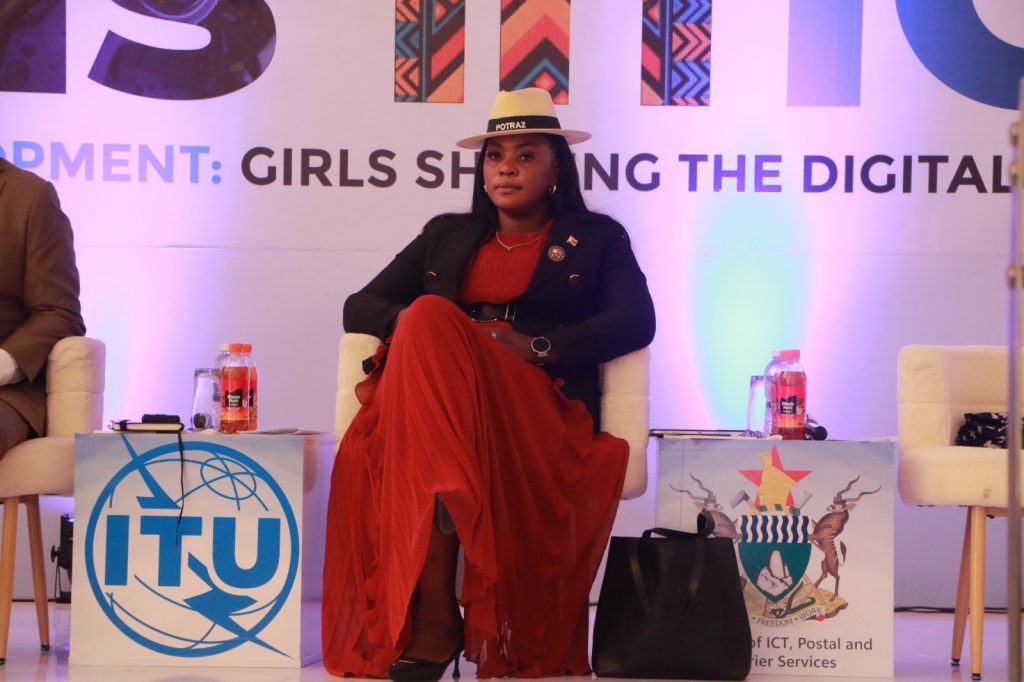
The 2026 International Telecommunication Union Regional Development Forum for Africa held in Victoria Falls placed Zimbabwe at the centre of Africa’s rapidly expanding digital governance debate, with government officials and regulators pushing ambitious narratives around Artificial Intelligence, digital sovereignty, cybersecurity, connectivity and Africa’s technological future.
However, beneath the bold declarations delivered by Information Communication Technology Minister Tatenda Mavetera, Postal and Telecommunication Regulatory Authority of Zimbabwe (POTRAZ) Director General Gift Kallisto Machengete and ITU Telecommunication Development Bureau Director Cosmas Luckyson Zavazava, major policy, regulatory and implementation gaps remain unresolved, raising serious questions about Zimbabwe’s preparedness to govern the next generation of digital technologies.
The high-level forum, convened under the theme “Universal, Meaningful and Affordable Connectivity for an Inclusive and Sustainable Digital Future,” brought together African regulators, ministers, telecommunications operators, development agencies and technology stakeholders at a time when Artificial Intelligence is rapidly reshaping global economies, governance systems and information ecosystems.
While the speeches delivered in Victoria Falls projected optimism about Africa’s digital future, they also exposed the widening gap between policy ambition and practical implementation.
Addressing delegates, Minister Mavetera framed digital transformation as a continental liberation struggle, arguing that Africa must not become merely a consumer of technologies developed elsewhere.
She outlined Zimbabwe’s ambitions through the Presidential Internet Scheme targeting approximately 8,000 schools, the proposed launch of a national communications satellite, the rollout of the National Artificial Intelligence Strategy 2026-2030, and the establishment of a harmonized National Data Centre.
While POTRAZ D.G Dr. Machengete delivered one of the most provocative speeches of the summit, warning that humanity was entering an era of synthetic humans, voice cloning, digital resurrection, robotics and Artificial Intelligence systems capable of replicating dead individuals using digital memory systems and behavioral datasets.
Dr Machengete warned that Africa risks becoming invisible in the future knowledge economy if its languages, cultures and moral values are excluded from Artificial Intelligence systems being developed globally.
Yet despite the strong rhetoric around ethics, sovereignty and African control of digital systems, the forum also triggered difficult policy questions for both government and regulators.
A central concern emerging from the discussions is the absence of clear and publicly known regulatory instruments governing emerging AI technologies in Zimbabwe.
Although POTRAZ strongly advocated for Africa to shape its own AI governance frameworks and protect African values in the digital age, critical questions remain unanswered regarding what specific legal frameworks Zimbabwe is now developing to regulate Artificial Intelligence systems, synthetic humans, deepfakes, voice cloning technologies and digital identity replication.
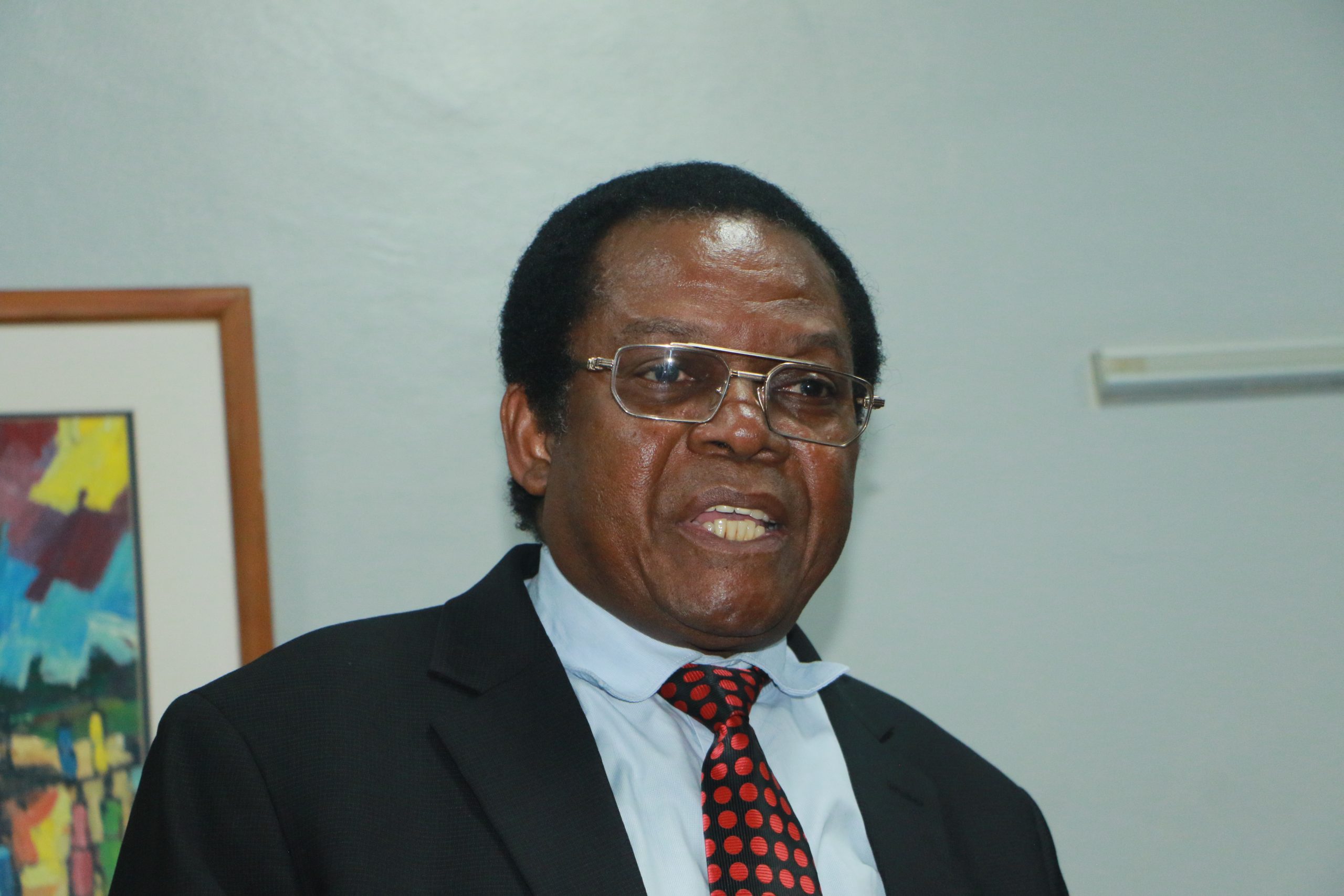
As AI-generated misinformation, manipulated political content and synthetic media become increasingly sophisticated worldwide, Zimbabwean authorities now face growing pressure to clarify whether the country intends to introduce statutory instruments, licensing frameworks, ethical oversight bodies or AI-specific legislation capable of regulating these emerging risks.
The absence of detailed policy direction becomes even more significant given Zimbabwe’s broader push toward digital sovereignty.
Government officials repeatedly stressed the need for Africa to own its data, infrastructure and technological future. However, analysts argue that Zimbabwe, like many African nations, remains heavily dependent on foreign-owned digital infrastructure, imported software ecosystems, external cloud services and global Artificial Intelligence platforms.
This has intensified scrutiny over what measurable progress Zimbabwe has actually made in building local AI computing infrastructure, indigenous software development ecosystems, sovereign data centres and African-language AI systems.
Questions are also emerging over whether POTRAZ intends to introduce regulatory mechanisms capable of addressing foreign AI dominance within Zimbabwe’s digital economy, particularly as global technology firms increasingly control cloud infrastructure, data processing systems, algorithmic ecosystems and online information flows.
Another major policy gap highlighted during the forum concerns language inclusion and cultural preservation within emerging technologies.
Both Minister Mavetera and Dr Machengete strongly argued that Artificial Intelligence systems must understand African realities and indigenous languages including Shona, isiZulu, Kiswahili, Yoruba, Hausa and Amharic.
However, beyond rhetorical commitments, concerns remain over whether Zimbabwe currently possesses the research funding, computing infrastructure, university partnerships and regulatory incentives necessary to build competitive AI systems trained on local languages and African cultural datasets.
Technology experts argue that unless substantial investments are directed toward local research institutions, telecom operators, innovation hubs and universities, African-language AI development risks remaining dependent on foreign institutions that may not fully understand local contexts, cultures or sensitivities.
The issue of cybersecurity and digital protection also emerged as a growing concern.
While POTRAZ positioned itself as a regional leader in data protection and cyber-trust through initiatives such as the Data Protection Officer Training Programme developed with the Harare Institute of Technology, critics say Zimbabwe still faces serious vulnerabilities around AI-driven misinformation, synthetic media abuse, identity theft and unethical data harvesting.
As Artificial Intelligence systems become increasingly capable of generating fake political speeches, cloned voices, manipulated video content and automated disinformation campaigns, questions are now being raised over what concrete safeguards POTRAZ is putting in place to protect citizens from digital manipulation and exploitation by both local and global technology actors.
Equally significant is the widening contradiction between high-level AI discussions and the realities facing ordinary Zimbabweans.
Despite the strong emphasis on Artificial Intelligence, digital sovereignty and next-generation technologies, large parts of rural Zimbabwe still struggle with basic network coverage, electricity access, affordable smartphones and reliable internet connectivity.
This disconnect has intensified debate over how regulators intend to balance conversations about advanced AI ecosystems with the urgent need to close the rural digital divide.
Government’s Presidential Internet Scheme, which seeks to connect approximately 8,000 schools through satellite technology, has also attracted scrutiny.
While the initiative has been presented as a flagship programme aimed at ensuring no child is left behind, questions remain regarding implementation timelines, funding guarantees, monitoring systems and sustainability mechanisms.

Zimbabwe citizens argue that internet connectivity alone cannot transform education without parallel investments in electricity infrastructure, digital devices, teacher training, cybersecurity protections, cost of data and digital literacy programmes.
The affordability crisis remains another unresolved challenge confronting Zimbabwe’s digital transformation agenda.
Minister Mavetera acknowledged that data costs remain prohibitively high for many citizens and argued that internet access should not cost a day’s wage.
However, industry observers say there is still limited clarity regarding what concrete regulatory interventions government intends to introduce to reduce internet prices, improve smartphone affordability and expand access to digital services for low-income communities.
The discussions in Victoria Falls also exposed growing concerns around surveillance, algorithmic bias and ethical governance.
Zimbabwe’s newly launched National Artificial Intelligence Strategy positions the country as a future AI innovation hub, yet analysts argue that robust independent oversight mechanisms are still lacking.
Prof Arthur G.O. Mutambara, an academic and technology expert, during the CEO Africa Roundtable conference raised pertinent issues, that are increasingly being raised over how government intends to ensure that Artificial Intelligence deployment does not undermine constitutional rights, privacy protections, freedom of expression or data protection principles.
There are also concerns surrounding transparency in algorithmic decision-making, particularly as governments worldwide begin integrating AI into policing, surveillance, healthcare, public administration and border management systems.
At the centre of the Victoria Falls discussions was a broader continental struggle over who will define the future rules of the digital economy.
The forum repeatedly stressed that Africa must not remain at the margins of global technological transformation.
Dr Machengete warned delegates that technology is never neutral, arguing that every technological system carries the values, assumptions and philosophies of those who create it.
That warning resonated strongly throughout the forum as African regulators increasingly confront the challenge of building governance systems capable of protecting local cultures, economies and democratic systems from technological domination.
Yet while Zimbabwe projected itself as a rising leader in digital policy discussions through its alignment with the ITU Regional Initiatives for Africa and the Baku Action Plan, the forum also exposed the scale of work still required to transform policy declarations into enforceable regulatory frameworks, functioning infrastructure and meaningful digital inclusion.



More Stories
Retrenchment Axe Hangs Over TelOne
Marital Feud Escalates Into Gun Drama in Rusape
Zimbabwe’s Export Engine Fires Up