


By Shingirai Vambe
As Africa joined the rest of the continent in commemorating Africa Day, celebrations unfolded against the backdrop of a painful contradiction, a continent rich in history, culture, minerals and human capital remains divided by borders that continue to separate the very people who share bloodlines, languages, traditions and ancestral roots.
Across Africa, checkpoints, immigration posts and visa restrictions continue to define movement, identity and belonging, decades after independence movements fought to dismantle colonial systems of segregation and exclusion. From the north to the south of the continent, Africans still require passports and permits to travel into neighboring countries where, in many cases, communities speak the same language, share the same customs and descend from the same ethnic origins.
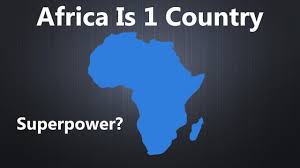
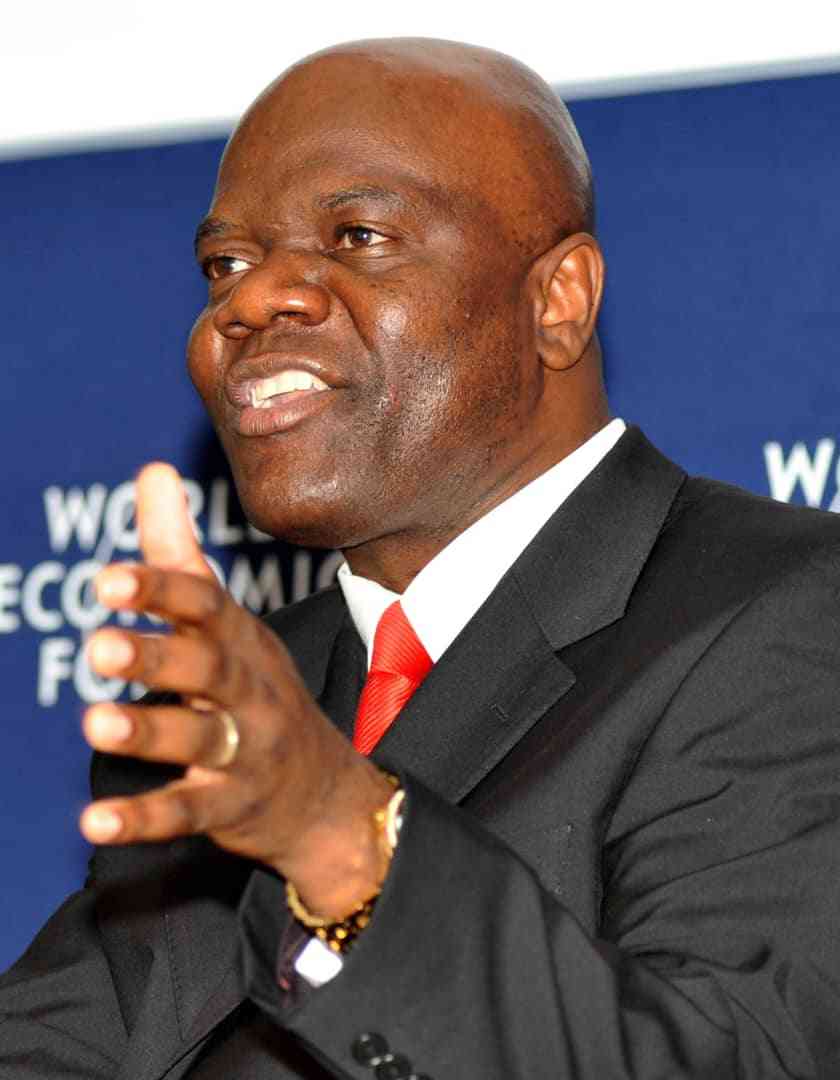
It is this contradiction that has reignited calls for a truly united Africa, with former Zimbabwe Deputy Prime Minister Arthur Mutambara among the growing voices advocating for the dismantling of barriers that continue to fragment the continent politically, economically and socially.
Mutambara has repeatedly argued that Africa cannot continue to position itself as a collection of “underdeveloped” or “developing” states while other global regions such as Asia and Europe continue consolidating economic power through integration, trade cooperation and free movement of people.
For many African thinkers and policymakers, the dream of a borderless Africa is no longer merely symbolic. It is increasingly becoming an economic and political necessity.
The continent’s fragmented systems, analysts argue, have contributed significantly to internal conflicts, weak regional trade, mineral plundering, corruption, political instability and dependency on former colonial powers. While Africa possesses some of the world’s richest mineral reserves and youngest populations, it continues to struggle with economic cohesion and continental self-sufficiency.
Ironically, many African communities divided by modern borders remain culturally inseparable. Ethnic groups such as the Ndebele, Tonga, Venda, Tswana, Somali and Maasai exist across multiple countries, their ancestral identities predating colonial maps drawn in European boardrooms during the Berlin Conference of 1884–1885.
Yet despite this shared heritage, Africans continue to encounter bureaucratic restrictions when crossing borders within their own continent.
Calls for visa-free travel and unrestricted movement across Africa are now gaining momentum among intellectuals, diplomats and regional leaders who believe true African liberation can only be achieved through integration and the restoration of a collective continental identity.
But while political conversations about unity continue, another battle is quietly unfolding, the struggle to preserve the African identity itself.
Across urban centres and digital spaces, concerns are growing over the rapid cultural transformation affecting younger generations. Analysts say African youths are increasingly adopting foreign lifestyles, social behaviors and value systems heavily influenced by Western and Asian media cultures, often at the expense of indigenous African traditions and philosophies.
For some scholars, this gradual erosion of identity represents a continuation of colonial domination through culture, media and economic influence.
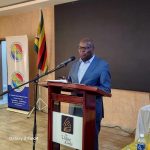
Speaking to The Post On Sunday, Zimbabwe’s former Minister and Ambassador to UNESCO, Sekai Nzenza described Africa Day as more than a ceremonial event, saying it is a moment for Africans to reflect on their shared history, collective struggles and future aspirations.
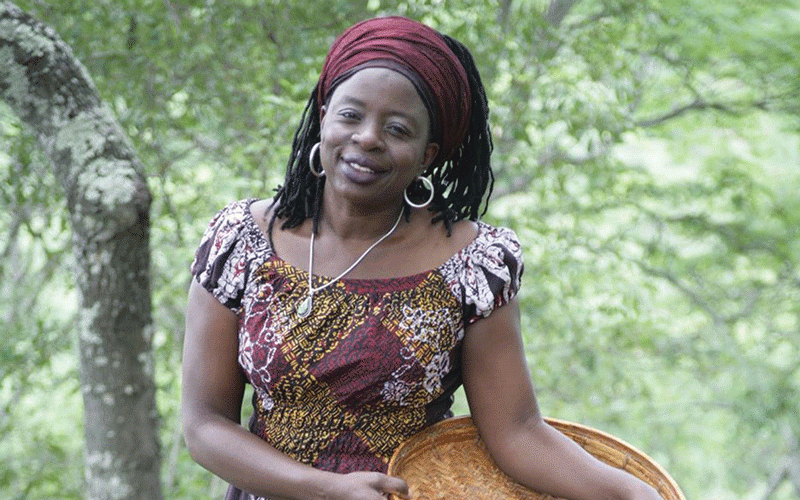
“Africa Day at UNESCO is a day to celebrate our shared history, identity and culture. We look back to the time when Africa Day was formed and reflect on the meaning of this day,” Nzenza said.
“As an Ambassador and Permanent Delegate representing Zimbabwe to UNESCO, I also sit on the Executive Board and participate in the decision-making processes of this big UN organisation. UNESCO’s mandate is aligned to the African Union’s focus on the restoration of our dignity, sovereignty and memory.”
Nzenza said the recent Africa Week commemorations at UNESCO focused heavily on water accessibility, one of the continent’s most pressing developmental challenges.
“This past few days, we celebrated Africa Week at UNESCO. The theme was water. On Africa Day, we also think of the many millions of African people without access to water,” she said.
“In doing so, we reach out to the spirit of multilateralism and align ourselves with global partners to support access to water programmes not only in Africa but across the globe.”
She said Africa Day should also force leaders and policymakers to confront broader developmental realities affecting millions across the continent, particularly the youth.
“We are faced with difficult geopolitical problems and are also cognizant that Africa has a growing young population. The youth represent the future,” she said.
“On Africa Day, we see the future through the eyes of those who want a better Africa for the youth. We look at the provision of not just water, but energy, food, shelter, technology, education and basic needs for Africans, especially the youth.”
Nzenza added that the day must also serve as a reminder of Africa’s historical dignity and the need to reclaim ownership of its future.
“On Africa Day, we reclaim the values and dignity of our past and look to the future with hope for a better world,” she said.
Meanwhile, analyst, writer and academic Alexander Rusero believes Africa’s greatest struggle may not only be economic or political, but psychological.
Rusero argues that many Africans remain mentally trapped within colonial systems that continue to shape governance, economics, language, education and even perceptions of self-worth.
According to him, the continent continues to depend heavily on former colonial powers while Africans themselves are increasingly manipulated into distrusting and turning against one another.
For Rusero, recent anti-immigrant tensions in South Africa, often described as Afrophobia, expose the deeper contradictions facing Africa’s unity project.
The violence and hostility directed at fellow Africans seeking opportunities in neighboring states, he argues, reveal how colonial divisions continue to influence modern African societies.
The irony, critics say, is that Africans separated by borders often share more similarities with one another than with the distant powers that once colonized them.
From language and food to spirituality and traditional customs, Africa’s interconnectedness remains visible despite decades of fragmentation.
Yet while Africa Day celebrations continue annually with speeches, flags and symbolic gatherings, many believe the continent still faces its greatest unanswered question:
Can Africa truly unite beyond politics and geography, and reclaim both its identity and destiny in a rapidly changing global order?


More Stories
Marital Feud Escalates Into Gun Drama in Rusape
Zimbabwe’s Export Engine Fires Up
Southern Africa Rethinks Energy Security as Zimbabwe Pushes Regional Power Integration