




By The Post On Sunday
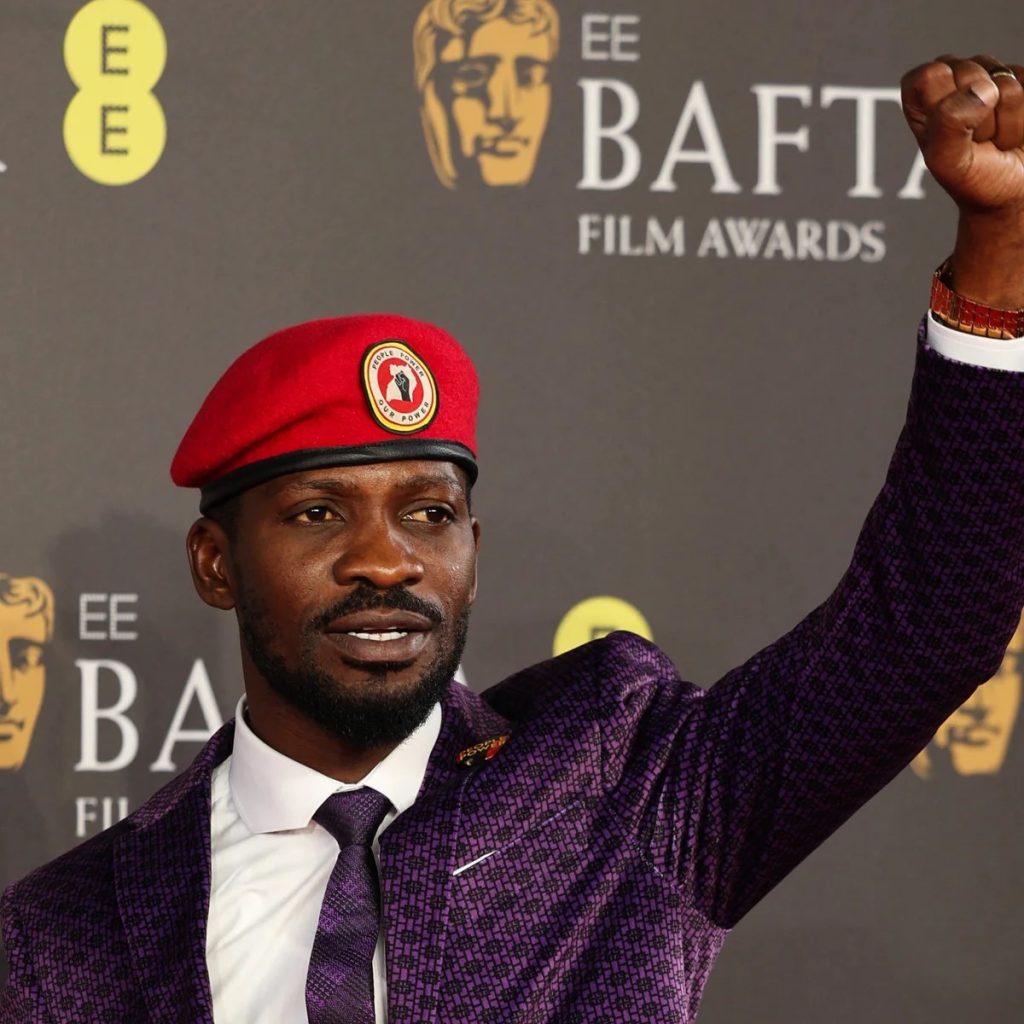
Political repression in Uganda is hardly a new phenomenon, but recent events suggest an escalation in state pressure on opposition voices as the country inches toward the January 15 presidential election. President Yoweri Museveni, who has ruled since 1986, and his son, Gen. Muhoozi Kainerugaba, have long been accused by rights groups of weaponising security institutions to intimidate, silence, or violently suppress dissent. The latest clashes involving opposition leader Robert Kyagulanyi, popularly known as Bobi Wine, have once again drawn sharp criticism from the international community, which has warned Kampala against the excessive use of force.
Wine, the musician-turned-politician who is making his second attempt to unseat the 81-year-old incumbent after a disputed 2021 contest, says the environment around this year’s campaign has become increasingly hostile. He alleges that security agencies have systematically intensified their attempts to block, disrupt, and scatter his rallies across the country, particularly in the north, where his National Unity Platform (NUP) has built strong grassroots support.
Tensions escalated in Gulu, where video footage shows Wine’s convoy confronted by heavily armed officers who formed a tight cordon around him, preventing him from accessing a venue he says he had officially been cleared to use. The standoff echoed scenes seen across previous election cycles: opposition gatherings halted on grounds of “security concerns,” supporters beaten back with batons or teargas, and campaign teams chased from meeting points just as crowds begin to gather.
Among those injured in the latest clashes was renowned music producer and NUP activist Sir Dan Magic, a long-time associate of Wine. Images circulating online show him bleeding after an altercation with police. The artist later confronted an officer wearing a metal helmet, allegedly the same man he accuses of nearly killing him during a violent encounter in 2020. The exchange, captured by Citizen TV, underscores the fraught relationship between state security operatives and figures aligned with the opposition.
Despite the heavy blockade in Gulu, Wine eventually managed to address supporters, using the brief moment to challenge the government’s development narrative.
“Museveni says he is protecting his gains,” Wine told the cheering crowd. “But I want to ask you, the people of Gulu, what gains do you have to protect?”
While the opposition struggles to hold events without interference, President Museveni continues his campaign with full state protection. This week he held rallies in Kabatoro, Fort Portal City, and Kitagwenda, emphasising his administration’s achievements in agriculture, infrastructure expansion, and community development. Government-aligned events, in contrast, have proceeded without disruption.
The president also triggered fresh debate about digital freedoms and state control last week after suggesting that Uganda’s internet infrastructure should fall under government ownership rather than remain in private hands. According to Museveni, public control of the sector would reduce costs and expand access.
“The internet should be owned by the government, not the private sector,” he said. “The private sector makes the internet expensive. We should use the government one.”
His remarks have raised alarm among digital rights advocates, who fear increased state involvement could further shrink online freedoms in a country where social media blackouts, surveillance, and targeted internet throttling have previously accompanied major political events.
As Uganda heads into a tense election season, observers say the latest wave of violence, intimidation, and tightening control over public space reflects a familiar pattern, one that continues to raise questions about the credibility of the electoral process and the country’s democratic trajectory.
About The Author


More Stories
When Crime Captures the State, Madlanga Commission Sends Shockwaves Across the Region
Good Start, Grim Outlook
Zimbabwe’s Descent into Organised Crime