




By Evans Jona | National Press Foundation Rare Disease Reporting Fellow (2025–2026)
HARARE — It all began with a sharp backache when she was just nine years old. “It was consistent, and it felt like broken pieces were being rubbed on my back,” recalls Molyn Chima, founder of the Sickle Cell Anaemia Trust Zimbabwe. “I was a happy, playful child, completely innocent, and I didn’t know that my life had changed forever.”
As the pain worsened, Molyn struggled to breathe, felt weak, and could not keep any food down. “All I could do was cry,” she remembers. Her parents rushed her from clinic to clinic, desperate for answers, but doctors could not provide a diagnosis. Soon, her life, and the lives of those around her, were turned upside down.
“I had to be carried on my mother’s back at nine years old,” she says. “It was difficult for the family. My younger sibling had to mature before her time, helping take care of me. I doubt if they ever slept because every time I turned, one of them would be watching me and asking if I was okay.”
Eventually, the diagnosis came. Sickle cell disease, a genetic condition, had run through her family for generations. “It did not come as a shock because we had seen it in other members of the extended family,” she explains. “A relative recognized the signs from our past experiences. It was a relief to know what I had, but we also braced ourselves for the unknown.”
Sickle cell disease is characterized by severe pain, anaemia, and general body weakness. For Molyn, the disease is not just physical, it carries a heavy emotional and social burden.
“People often doubt the frequency of painful crises because the disease is unpredictable,” she says. “A sickle cell crisis can last a day, weeks, or even months, depending on the cause and access to care. Severe pain is the hallmark, but because of this, some patients are wrongly accused of drug-seeking. That delays proper management and makes life harder.”
Living with the condition is like carrying an invisible disability. “Most people cannot see it, but it weighs heavily on the mind,” she says. “Discrimination happens in workplaces and in communities. A crisis can happen at any time, and some people doubt, judge, or ignore you when you need help the most.”
Molyn’s experiences inspired her to take action. She founded the Sickle Cell Anaemia Trust Zimbabwe, a support group that brings patients together to share their stories, counsel one another, and offer comfort in knowing someone understands exactly what they are going through.
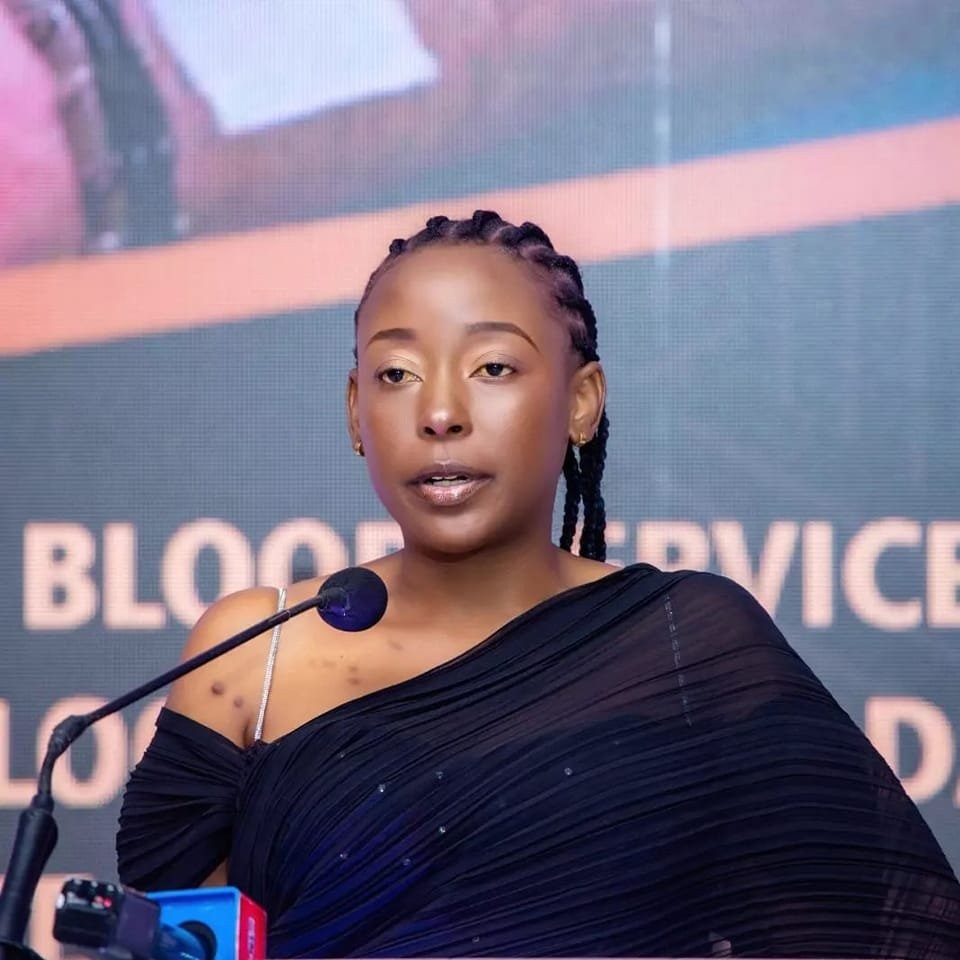
“The support group has been life-changing,” she says. “Hearing the lived experiences of fellow warriors helps me understand my condition better. We give each other hope and strength. Just knowing someone knows what I am feeling is always comforting.”
The financial cost of living with sickle cell is significant. “It’s expensive,” she says. “We need blood transfusions from time to time, frequent hospital admissions, and chronic medications. Hydroxyurea, which is vital for many of us, is difficult to get locally, and sometimes we have to source it from other countries. Medical aid is costly and not user-friendly for people with rare conditions like ours.”
While medical advances, including genetic treatments, offer hope, access remains a challenge. “I personally abstain from bone marrow transplants for now,” she says. “I lost a sister after she underwent one, and the doctors experimented on her for reasons I still do not fully understand. But I remain positive. As treatment technology improves, maybe one day I will reconsider. My biggest concern is affordability, how can we access such treatments when we struggle to get Hydroxyurea?”
Molyn is passionate about the need for better health policies for rare diseases. “Everyone should know about these conditions, and hospitals must treat crises as medical emergencies to prevent complications like organ damage,” she says. She advocates for newborn screening, genetic counselling, and the decentralization of specialized care so patients do not have to travel long distances when they are unwell.
“Specialized personnel, from doctors to nurses and village health workers, are essential,” she says. “It is important that people understand what they are treating. Early detection helps prevent complications like stroke in babies and reduces mortality. Families should know their genotype to make informed choices and prevent future cases.”
Through it all, prayer has been her anchor. “There are times when even loved ones get frustrated and hopeless,” she says. “Sometimes it is I, the patient, who reassures them that all will be well. Prayer keeps me grounded.”
Earlier this year, Molyn faced one of the toughest battles of her life. Her right leg became unbearably painful. “I sometimes slept for only ten minutes at a time,” she recalls. “I even called my orthopedic surgeon asking for an amputation, but he refused. He assured me it would pass. I spent weeks in a wheelchair, but God was there. I saw Him in my doctor, my parents, my daughter, and the provisions that came through. Thank you, Dr. Mwoyofiri, for following up, for not judging, and for refusing to remove my leg.”
She also expresses heartfelt gratitude to her family and community. “I saw God in my parents, my daughter, and all those who stood by me. Prayer, support, and love carried me through some of the darkest moments.”
For newly diagnosed patients, Molyn has words of encouragement drawn from experience. “Hold on to your faith first. Be strong, patient, and protect your mind and body to avoid unnecessary crises. Understand that some people will not understand you, identify those who do and stick with them because they will be your pillars. Get a doctor who listens without judgment, and if possible, build a friendship with your healthcare team. Never be shy to take your medication. Almost everyone is taking medicine; the only difference is why we take it. Be comfortable with your treatment.”
Through the Sickle Cell Anaemia Trust Zimbabwe, Molyn continues to advocate for awareness, provide support, and challenge misconceptions about the disease. Her story is a testament to resilience, faith, and the power of community support in the face of chronic illness.
“Living with sickle cell is not easy,” she says, “but with faith, knowledge, and support, you can survive, thrive, and help others do the same.”
About The Author




More Stories
Anticipatory Health Action Activated in Masvingo After La Niña Flooding
Zimbabwe’s Health Sector Finds Its Footing
ZSCA Steps Up-New PVO Status Ushers in Year of Empowerment for Zimbabwe’s Seniors