





By Steve Ephraem
In a major step towards updating the justice system, the Ministry of Justice, Legal and Parliamental Affairs launched a new digital court management system named Intergrated Electronic Case Management System (IECMS).
In Chipinge and Chimanimani, IECMS was introduced on 13 January 2026. This could be a real change in how people in remote parts of Zimbabwe can access legal services.
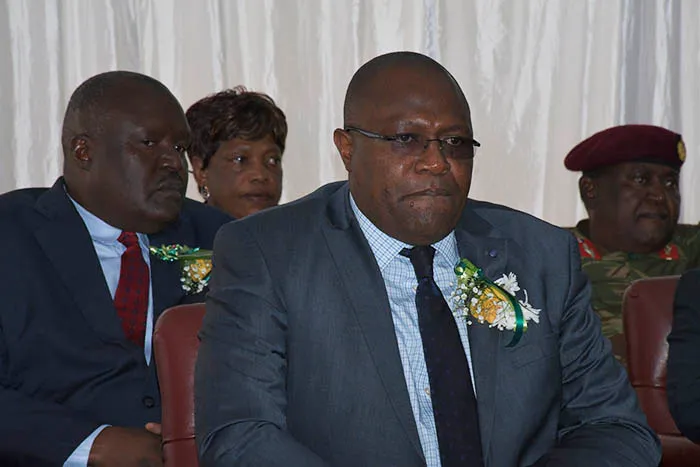
The introduction in the two districts was led by Judiciary Service Commission Secretary, Dr W. Chikwanha, with local chiefs, government workers, and lawyers present. He described the system as a vital tool for making the law more accessible to everyone.
At its heart, the new system promises to break down the problems of distance and official paperwork that have often made it hard for people, especially in rural areas, to get justice.
Dr Chikwanha described a future where this technology changes how ordinary people deal with the courts. By allowing legal documents to be sent online and hearings to take place by video call, the system aims at removing the heavy costs and difficult journeys involved in travelling to city courts again and again.
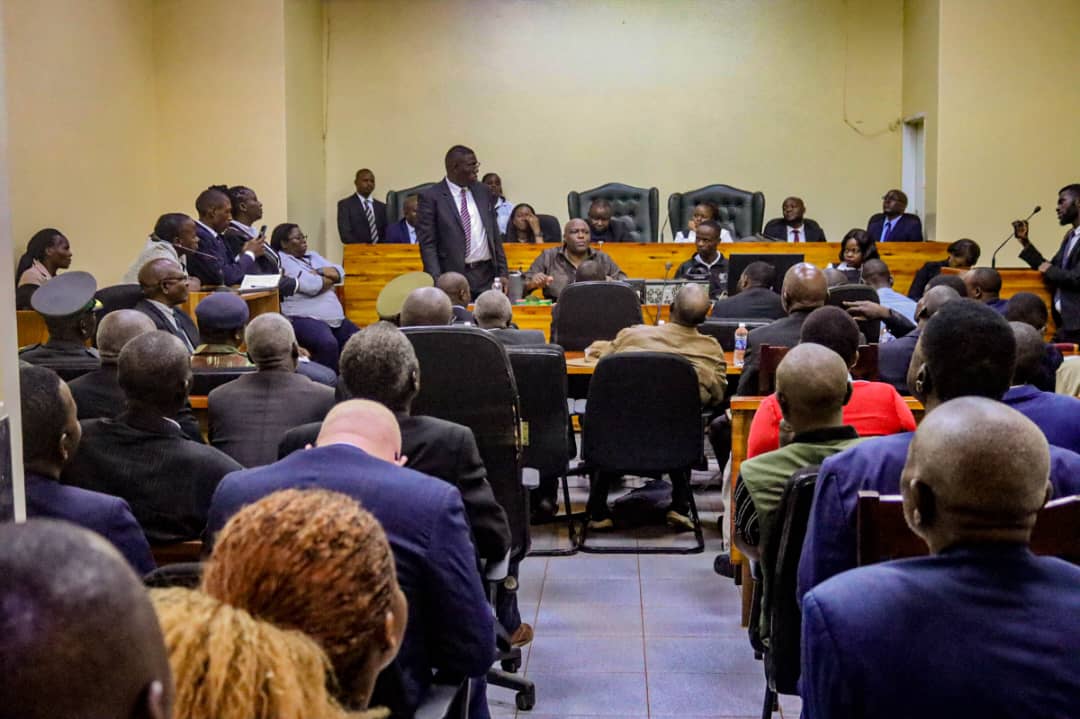
This is more than just a technical improvement. It is a move towards including everyone, so that people in the countryside do not have to choose between seeking justice and facing financial hardship. The system also aims to speed up court cases, tackling the long delays that can wear people down and shake their trust in a fair system.
As well as being more convenient, the system brings greater openness. People will be able to check the progress of their case using everyday devices like mobile phones. This makes court processes clearer, replacing doubt with easy-to-find information.
Also, by keeping all court records in digital form, the new system tackles the weaknesses of the old paper files, which could be lost or tampered with. This helps to reduce chances for corruption and rebuilds public trust in the fairness of the process.
However, implementing this ambitious system in Chipinge and Chimanimani may be faced with some practical challenges such as inavailability of steady electric power and good internet in the very rural areas it is meant to help most.
The launch in Chipinge and Chimanimani shall ne be remembered as a first real step in closing the long-standing gap in justice access between Zimbabwe’s towns and its countryside.
About The Author





More Stories
Good Start, Grim Outlook
From Connectivity to Clean Cities, NetOne Takes Part in National Clean-Up Day
Anticipatory Health Action Activated in Masvingo After La Niña Flooding