





By Senior Reporter
Zimbabwe’s contested Constitutional Amendment Act No. 3 (CAA3) is increasingly emerging as a defining test of the country’s constitutional order, with the latest developments at the Constitutional Court raising fundamental questions about judicial independence, the separation of powers and the limits of executive authority under President Emmerson Mnangagwa’s administration.
The Constitutional Court on Wednesday postponed hearings on two applications challenging the constitutionality of amendments that paved the way for Mnangagwa to remain in office until 2030, after concerns emerged over the composition of the very court expected to determine the disputes.
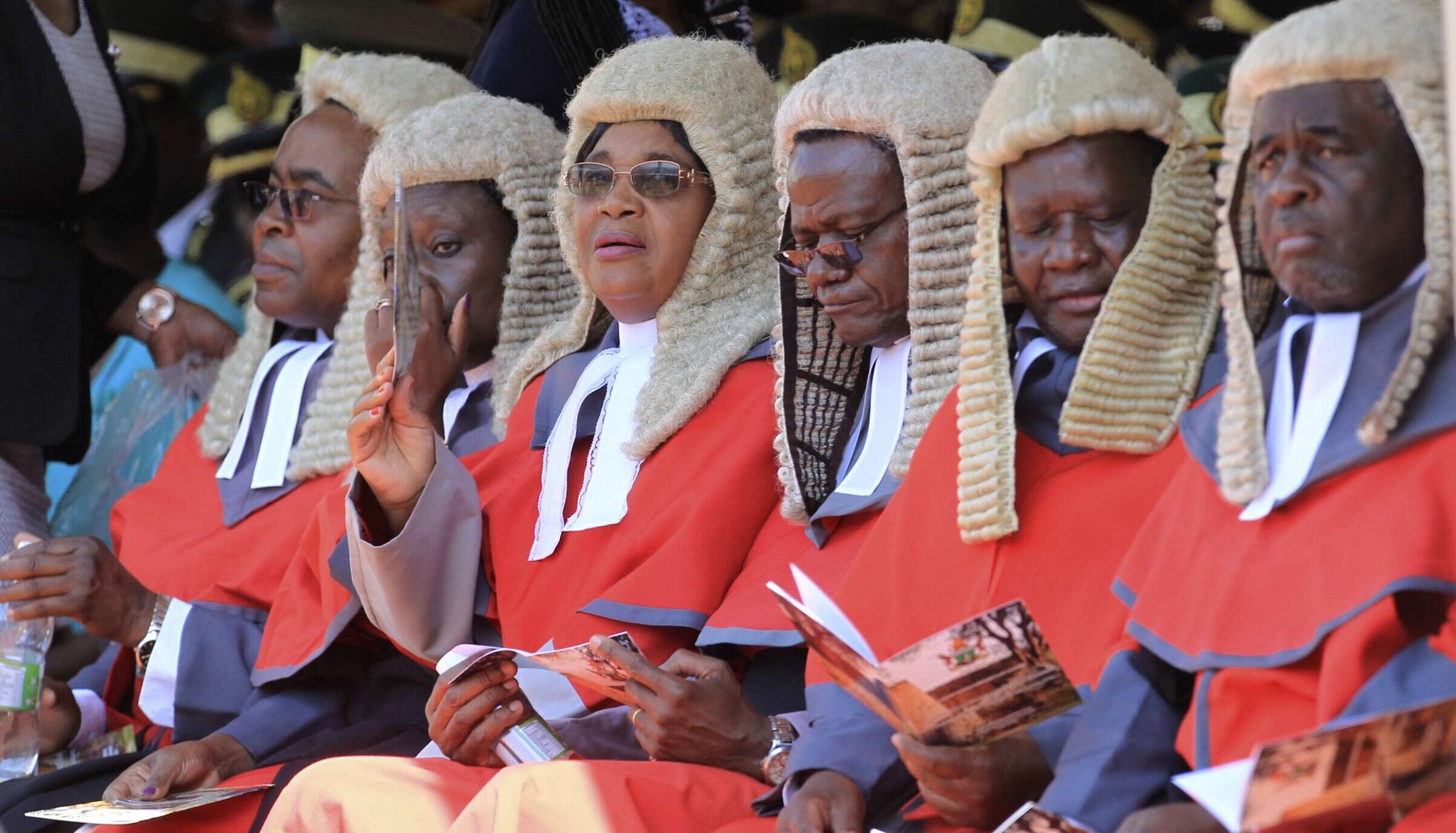
The postponement followed a case management meeting chaired by Deputy Chief Justice Paddington Garwe, during which the court raised the question of whether judges appointed under the contested amendments should participate in proceedings challenging the legality of those same changes.
The full bench is now expected to hear the applications on November 18, with the court first expected to address an application by Vhurande Mahlupeko, which directly challenges aspects of the amendments, including the expansion of the Constitutional Court.
The development has exposed the institutional complications created by the government’s decision to implement the amendments and make appointments under the new provisions before the courts had determined the pending constitutional challenges.
Journalist and political analyst Jelous Mawarire, commenting on the proceedings on X, argued that Mnangagwa had put the cart before the horse by appointing additional judges before the courts had determined whether the legislation underpinning those appointments was constitutional.
He said the decision by Deputy Chief Justice Garwe to recognise the potential conflict involving Justice Chinembiri Bhunu demonstrated the problems arising from the rushed implementation of CAA3.
Mawarire argued that judges who benefited from the disputed amendments should not preside over cases challenging the same legislation, describing the President’s decision to proceed with appointments before the legal challenges were resolved as ill-advised.
He maintained that, irrespective of whether the appointments are ultimately declared procedural or otherwise, the court’s handling of the issue demonstrates why the government should have waited for the constitutional process to be exhausted.
The concerns are particularly significant because the disputed legislation has already begun reshaping the country’s institutional and political landscape.
Under CAA3, which was signed into law in July, Mnangagwa’s current presidential term was extended from 2028 to 2030, while the tenure of Members of Parliament who supported the amendments was also extended.
The legislation also increased the composition of the Constitutional Court, paving the way for the appointment of additional judges. Mnangagwa subsequently appointed three judges under the new provisions: Justice Chinembiri Bhunu, Justice Susan Mavangira and Justice Antonetta Guvava.
However, the applicants have raised questions about the legality of the amendments and the circumstances under which some of the changes were introduced.
Professor Lovemore Madhuku, who represents the applicants, said the parties agreed that Mahlupeko’s application should be considered first because it directly challenges provisions affecting the composition of the Constitutional Court.
Madhuku said the Deputy Chief Justice had sought the applicants’ position on whether they were comfortable proceeding before judges whose appointments could be affected by the outcome of the cases.
The applicants indicated that they preferred the matter to be heard without the additional judges appointed pursuant to the disputed amendments.
“We clearly said that we would prefer a situation where that matter is determined without the additional judges that were appointed pursuant to the amendment,” Madhuku said.
He clarified that the applicants had no objection to Justice Guvava sitting on the bench, arguing that her elevation followed the retirement of former Chief Justice Luke Malaba and was separate from the disputed expansion.
The arrangement means that the next hearing is expected to proceed with the Constitutional Court constituted as it was before the disputed expansion, with Justice Guvava included.
Mahlupeko’s application alleges that several provisions were introduced into the constitutional amendment process without appearing in the Government Gazette publications outlining the proposed changes.
Madhuku said approximately nine or 10 provisions were allegedly added without being gazetted, including the provision increasing the number of Constitutional Court judges beyond seven.
The allegations, if upheld, could have far-reaching implications for appointments and other institutional arrangements made under the contested provisions.
The second application, filed by former legislator Prince Dubeko Sibanda, raises a separate but equally consequential constitutional question, whether the amendments can lawfully benefit the sitting President and Members of Parliament who were in office when the changes were made.
Sibanda argues that allowing the amendments to extend the tenure of incumbents would violate Section 328(7) of the Constitution, which restricts constitutional amendments affecting presidential and parliamentary term limits from benefiting those holding office when the changes are made.
The cases have therefore placed the judiciary in a difficult position. A ruling against the amendments could unsettle appointments and political arrangements already made under the new law, while a decision upholding them would have major consequences for the country’s electoral timetable, succession politics and constitutional safeguards.
Mawarire warned that implementing contested constitutional provisions before the courts had ruled created unnecessary pressure on the judiciary, particularly because several public office holders stand to benefit from the amendments.
He argued that the situation had created an environment in which some stakeholders could approach the cases with an interest in preserving their positions rather than defending constitutional principles.
His comparison was with a president being inaugurated while an election challenge is still before the courts, yet being expected to respect the independence of the same judiciary determining the dispute.
The argument raises a critical question about the separation of powers: how can the courts exercise independent oversight when the consequences of their decisions extend to the tenure of the President, ministers, legislators and even members of the judiciary?
The stakes are not confined to the Constitutional Court. If the applications succeed, the legality of appointments and institutional changes made under CAA3 could come under scrutiny, potentially affecting Cabinet, Parliament and the judiciary.
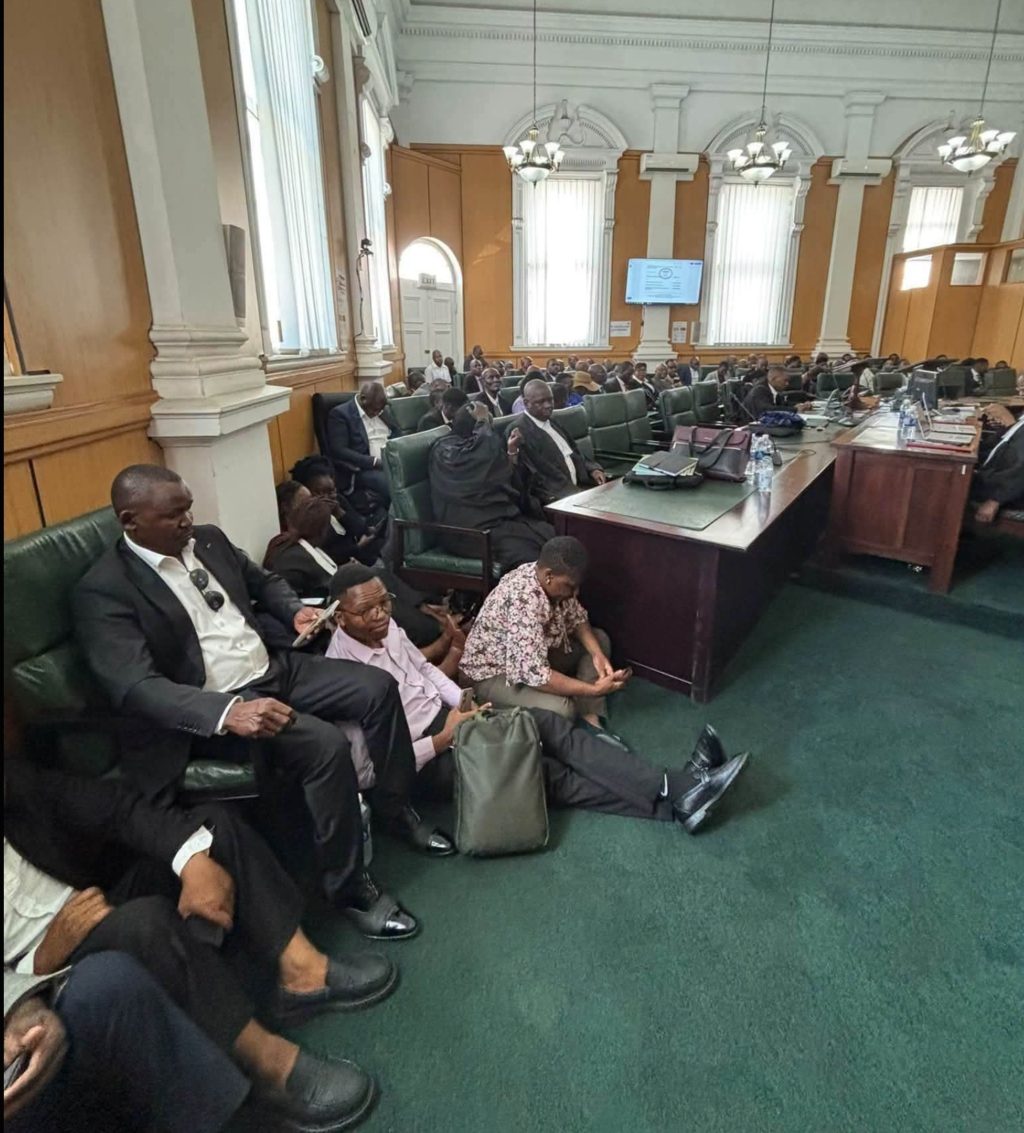
Mawarire also welcomed the public interest shown during Wednesday’s proceedings, praising court authorities for accommodating members of the public despite the limited space available.
The overflow at the Constitutional Court reflected the intensity of public interest in a dispute that could shape Zimbabwe’s political and constitutional future.
He renewed calls for the livestreaming of court proceedings, arguing that citizens should be able to follow cases of such national importance without relying exclusively on media reports or accounts from those present in court.
The demand for greater transparency is significant in a country where public confidence in the independence of institutions remains a central governance concern.
The Constitutional Court’s handling of the applications will therefore be watched not only for its legal conclusions but also for what it communicates about the judiciary’s willingness and capacity to scrutinise decisions made by the Executive and Parliament.
The presence of Attorney-General Virginia Mabhiza at Wednesday’s proceedings added to the significance of the hearing. However, the government’s chief lawyer reportedly deferred to private lawyers engaged to represent the State.
The court has not determined the constitutionality of CAA3. Nor has it ruled on the substantive claims advanced by Mahlupeko and Sibanda. The next hearing is expected to address the applications for direct access, an exceptional procedure through which constitutional disputes may be brought directly before the apex court without first commencing proceedings in the High Court.
That distinction matters. The court may grant direct access and proceed to hear the substantive constitutional challenges, or decline the applications and require the litigants to begin in the High Court.
But whatever the procedural outcome, the controversy has already exposed the dangers of implementing far-reaching constitutional changes while their legality remains before the courts.
A constitutional amendment cannot be insulated from judicial scrutiny simply because the government has signed it into law or because appointments have already been made under its provisions. The courts remain the constitutional forum through which such challenges must be determined.
For Zimbabwe, the November 18 proceedings represent more than another court date in a political dispute. They are a test of whether constitutional limits can still restrain executive power, whether judicial officers can act without the appearance of personal or institutional conflict, and whether the law applies equally when those who stand to benefit from it occupy the highest offices in the land.
The independence of the judiciary is not measured by the absence of politically sensitive cases. It is measured by whether judges can hear and determine those cases without fear, favour or pressure, regardless of who stands to gain or lose.



More Stories
Garwe’s Demolition Drive, ZANU PF Risks Losing The Votes Of The Victims
POTRAZ Puts Zimbabwe On Africa’s Digital Map
No Stall, No Income, No Tomorrow