




University of Zimbabwe scholars question enforcement priorities as millions depend on informal trade for survival, while the Economic Census struggles to capture the true state of the economy
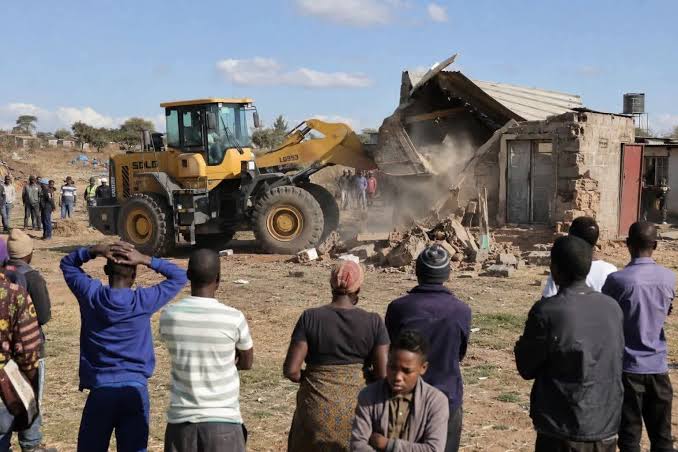
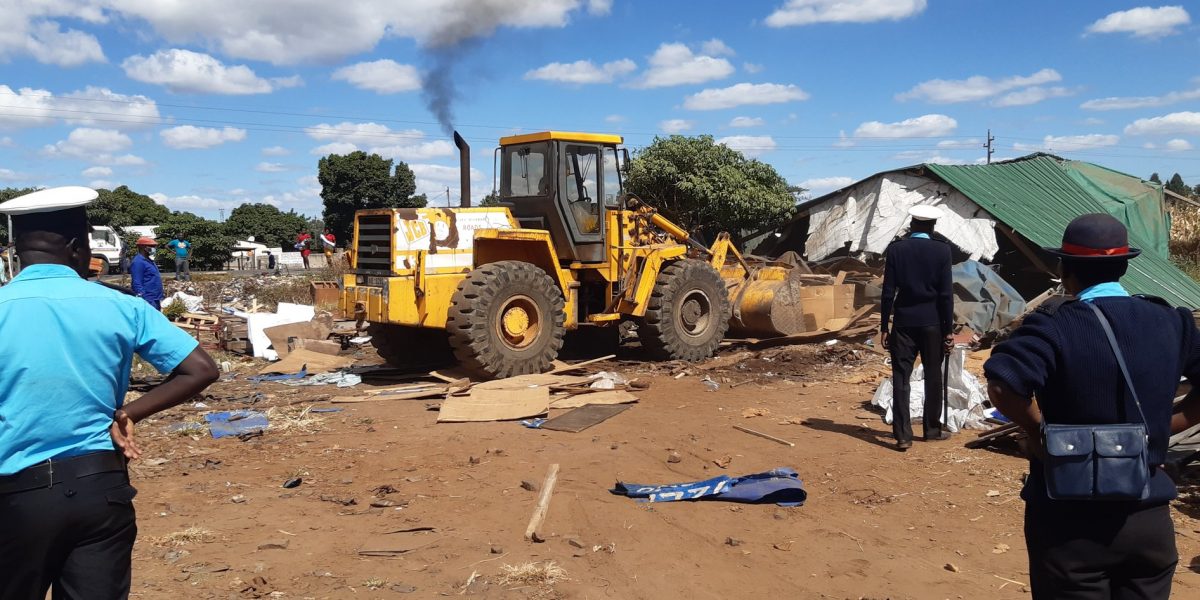
Zimbabweans have once again been left questioning government priorities as local authorities intensify operations against informal traders, threatening the livelihoods of millions who have turned to small-scale businesses as their only means of survival.
The campaign, spearheaded by Local Government Minister Daniel Garwe and Permanent Secretary Tafadzwa Muguti, has attracted criticism from academics, economists and citizens who argue that the approach risks worsening an already difficult economic situation.
The concerns were raised during stakeholder engagements ahead of the development of the Zimbabwe Energy Regulatory Authority’s (ZERA) 2027 Strategic Plan, where delegates from the University of Zimbabwe reportedly challenged the ongoing operations, questioning whether government policies were responding to the economic realities facing ordinary citizens.
The university’s position paper reportedly argued that citizens were increasingly being left behind by policies that appear disconnected from their everyday struggles.
Zimbabwe’s informal economy has expanded over the years, absorbing thousands of people who have lost formal employment, as well as many who have never had the opportunity to enter the formal job market. While informal trading has raised legitimate concerns about sanitation, congestion and the appearance of towns and cities, critics argue that the government’s enforcement strategy risks destroying livelihoods without providing viable alternatives.
The crackdown has therefore been described by critics as a political detour, shifting attention from the country’s deeper economic challenges towards regulating the visible symptoms of hardship.
The contradiction becomes more apparent when viewed against the country’s ongoing Economic Census, being conducted by the Zimbabwe National Statistics Agency (ZimStats).
The inaugural Economic Census, designed to take place every five years, seeks to establish a comprehensive picture of economic activities across provinces and districts, helping government understand how businesses operate, contribute to national output and support livelihoods.
However, The Post understands that the exercise has encountered challenges in collecting reliable information, particularly from entrepreneurs reluctant to disclose their actual annual turnover.
Some business operators reportedly fear that revealing their earnings could expose them to Zimbabwe Revenue Authority (ZIMRA) tax assessments or additional scrutiny from local authorities. Others have reportedly referred enumerators to their superiors, declining to provide financial information themselves.
Enumerators have also encountered respondents who provide questionable figures or incomplete information, with concerns ranging from taxation and local-authority charges to fears of criminals masquerading as ZimStats officials to obtain business information.
Speaking during the training of enumerators for the Economic Census Listing Exercise, ZimStats Acting Director-General Fadzai Ndlovu emphasised the importance of the exercise in establishing an evidence-based understanding of the economy.
“This comprehensive data collection will enable the government, private sector, academia, and other stakeholders to better understand the country’s economic landscape and make informed decisions,” said Ndlovu.
Yet the reluctance by some entrepreneurs to disclose their financial information points to a deeper problem: a growing trust deficit between citizens and public institutions.
Although ZimStats data is intended to be accessible to citizens, government institutions and other stakeholders, business operators remain concerned about how their information could be used.
Economic analysts told this publication that some citizens increasingly question the value of contributing to the national fiscus when they believe public resources are misappropriated or channelled towards politically motivated programmes and projects that benefit ruling-party interests rather than the wider population.
The concerns are compounded by the country’s financial and monetary environment, which has weakened public confidence in formal banking. Some Zimbabweans have increasingly avoided conventional banking transactions, while critics argue that banks have become more focused on lending and short-term financial products than their traditional intermediation role.
Meanwhile, the ongoing local-authority operations appear to overlook a significant section of the informal economy: traders operating from streets, pavements, residential areas and temporary structures.
Rising rentals and operating costs have pushed many small businesses out of formal commercial premises. For these traders, informal spaces are not necessarily a preferred business environment but an affordable alternative.
Removing them without providing accessible trading facilities could further restrict the circulation of money in communities. Local authorities also stand to lose the modest revenue they previously collected from vendors and small traders.
The reported removal of small gas outlets and other informal trading facilities has similarly raised questions about the impact on communities that depend on these businesses for convenient access to essential goods and services.
The timing is particularly troubling given that the Economic Census is intended to capture the economic realities of towns, cities and rural communities, including the contribution of businesses operating outside conventional commercial structures.
The census is scheduled to continue until the end of 2026, with preliminary results expected by the end of the first quarter of 2027 and final results in the second quarter. Its findings are also expected to inform national budget formulation.
But the question remains whether policies being implemented uniformly across the country adequately reflect the different economic circumstances of individual local authorities.
The challenges confronting Harare cannot automatically be equated with those in Rusape, where economic activity, household incomes, employment opportunities and the capacity of small businesses are markedly different.
Rusape Town Council, for instance, has faced criticism over prolonged salary payment challenges, with reports that workers’ salaries have been cut by 60 percent. This comes amid broader concerns over local-authority financial management and the ability to meet obligations to employees and residents.
The central question is whether government is building an economy that accommodates citizens or creating regulations that progressively push them out of the few economic spaces available to them.
Zimbabwe needs orderly towns, clean streets and properly regulated businesses. But it also needs policies that recognise the informal sector as an important part of the economy rather than treating it merely as an urban nuisance.



More Stories
Marital Feud Escalates Into Gun Drama in Rusape
AHF calls for African countries to unite against debt crisis
Pensioners Left Waiting As Billions Sit In Zimbabwe’s Pension Funds