





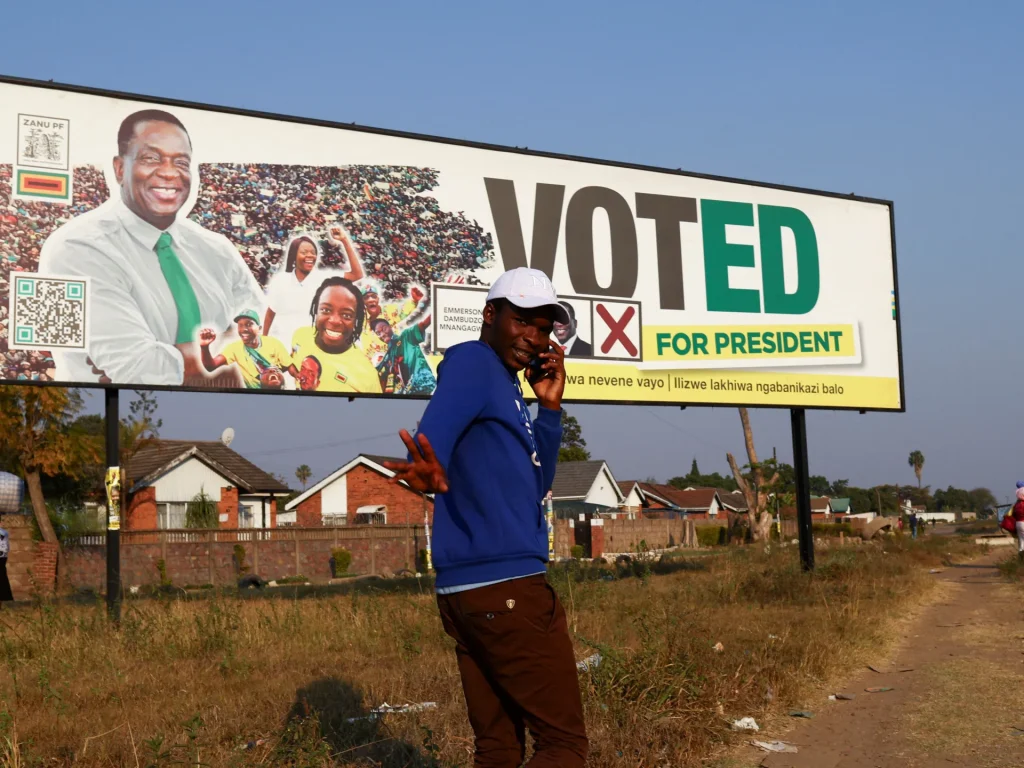
A ruling party that needs the votes of ordinary citizens is presiding over policies that are making survival increasingly difficult for those very people…
By Shingirai Vambe
President Emmerson Mnangagwa’s removal of Engineer Tafadzwa Muguti as Permanent Secretary in the Ministry of Local Government and Public Works, barely three months after his appointment, has revived questions about the controversial demolition campaign associated with Minister Daniel Garwe and his former permanent secretary.
Across urban and rural communities, demolitions targeting buildings, homes and informal trading structures have left affected citizens counting their losses. For many, these were not simply illegal structures or temporary trading spaces. They were homes, investments and sources of income built through years of struggle in an economy where formal employment remains beyond the reach of many.
Now, with Muguti out and Dr Addmore Pazvakavambwa appointed as his replacement, the political question is bigger than a change of personnel, how does ZANU PF expect to secure votes from people whose livelihoods have been destroyed under its watch?
The ruling party needs these citizens when election time comes said Ronald Mlambo a Mutare resident.
“It needs the vendors, small-business owners, unemployed youths, informal traders, struggling families and residents of high-density suburbs to turn out and support its candidates. Yet the same people are among those bearing the consequences of policies that have left them without trading spaces, shelter and reliable means of survival,” he added.
Dzivarasekwa Member of Parliament, Edwin Mushoria told the Post On Sunday that, for years, Zimbabweans have been encouraged to be enterprising, create employment for themselves and participate in the informal economy. Faced with unemployment, low incomes and limited opportunities, thousands have turned to vending, small workshops, roadside businesses and makeshift premises to feed their families.
“When these survival strategies collide with enforcement operations, citizens are left asking whether the Government understands the economic circumstances that pushed them into informal trading in the first place.
A demolished stall may appear to authorities as an obstruction. To the trader, it may represent school fees, rent, food and medication. A building marked for demolition may be an investment made over years, sometimes through borrowing and personal sacrifice. Destroying it without practical alternatives can push an already vulnerable household deeper into poverty,” said Mushoriwa.
Chikanga Member of Parliament, Lynette Karenyi kore said, “This is where the Government’s development message begins to lose credibility. It is difficult to speak about empowerment and economic inclusion while people are losing the very assets through which they sustain themselves,” she said.

The controversy has been compounded by Garwe’s reported denial that the demolitions were Government policy. That position raises serious questions about responsibility. If the operations were not Government policy, who authorised them? Why were officials associated with the campaign? And who will answer to citizens whose homes and businesses have been destroyed?
Muguti’s removal has not provided those answers. The Chief Secretary to the President and Cabinet announced his replacement but did not give an official reason for his departure. It would therefore be premature to conclude that he was removed specifically because of the demolitions.
Nevertheless, the timing places the campaign under renewed political scrutiny. A change of permanent secretary cannot automatically restore livelihoods, compensate affected families or erase the anger of communities that feel abandoned by the authorities.
ZANU PF should be concerned about that anger, not merely because of the political damage it could cause, but because it reflects a deeper breakdown in the relationship between Government and the people it is supposed to serve.
Politician, Jacob Ngarivhume on his account shared, “Elections are not won through slogans alone. They are shaped by citizens’ experiences of government, whether they can afford food, keep their businesses running, access basic services, secure decent housing and earn an income without constantly fearing that their livelihoods will be taken away.
For a vendor whose stock has been destroyed, a family whose home has been demolished or a small-business owner forced out of a trading space, the promise of development may sound distant and disconnected from reality.
The ruling party may still campaign on infrastructure, investment and economic growth. But citizens will also remember what happened to their homes and businesses, and whether anyone in authority took responsibility.
There is a particularly uncomfortable question for ZANU PF, can it ask people to vote for empowerment while its own policies are perceived to have disempowered them?
The party cannot assume that citizens will separate the ballot box from their everyday hardships. Nor should it assume that political loyalty is permanent when the economic conditions of ordinary people continue to deteriorate.
This does not mean that Zimbabwe should abandon urban planning, building regulations or the enforcement of safety standards. Orderly settlements and properly regulated trading spaces are necessary. But enforcement must be accompanied by consultation, reasonable notice, lawful procedures and realistic alternatives. Development should create opportunities, not remove the few that struggling citizens have managed to establish.
The responsibility now rests with Mnangagwa’s administration to explain the demolition policy, clarify the circumstances surrounding Muguti’s departure and provide meaningful assistance to those affected. The new permanent secretary should not simply inherit an office; the ministry must confront the grievances left behind.
Ultimately, ZANU PF needs the votes of the very people who are demanding answers. It needs citizens who want jobs, shelter, dignity and the freedom to earn an honest living. These are not unreasonable demands, nor are they privileges that should be granted in exchange for political support.


More Stories
CAA3 Puts Judicial Independence To The Test
POTRAZ Puts Zimbabwe On Africa’s Digital Map
No Stall, No Income, No Tomorrow