





By Shingirai Vambe
Zimbabwe’s public transport system is increasingly descending into disorder, leaving ordinary citizens exposed to harassment, theft, and insecurity each time they attempt to travel. What was once a routine activity, boarding a bus to move between towns and cities, has now become, for many, a distressing and unpredictable ordeal.
Across the country, passengers narrate experiences of intimidation at bus ranks, where the absence of effective security presence has created fertile ground for abuse. Instead of regulated operations, many termini are now dominated by rank marshals, informal enforcers who control the loading of passengers and dictate the pace and order of travel. Their growing influence has turned bus stations into spaces of fear rather than safety.
Travellers report being harassed, overcharged, and in some cases robbed of their belongings or cash in full view of others. Luggage is often handled roughly, sometimes deliberately damaged, while disputes over fares frequently erupt mid-journey, with passengers being forced to pay more than initially agreed. For many, there is little recourse, as challenging these practices can invite further intimidation.
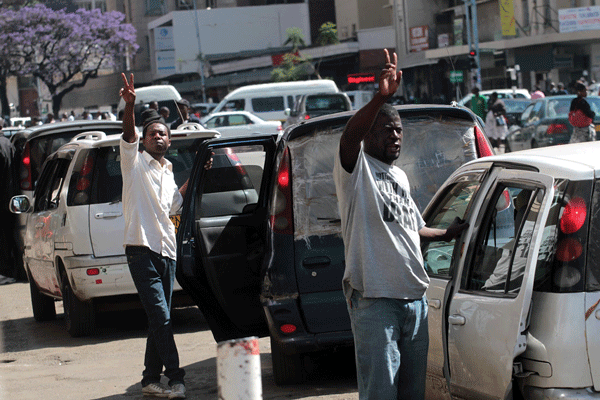
As a result, a significant number of citizens are now abandoning conventional bus travel altogether. In a worrying trend, some are opting to hitch-hike along highways, choosing what they perceive as a faster and less confrontational alternative, despite the obvious risks associated with such decisions. This shift reflects a growing loss of confidence in the formal transport system.
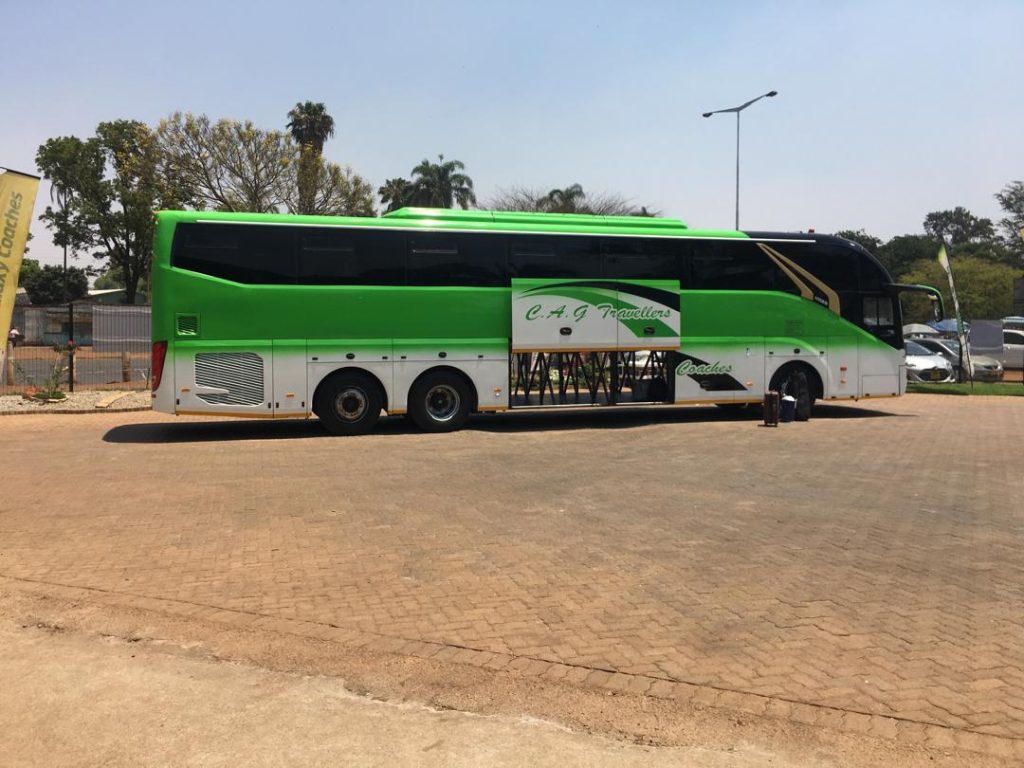
Amid this chaos, a few transport operators have sought to restore a sense of order and dignity to passenger travel. Bus companies such as Tenda, Inter-Africa, and CAG Travellers Coaches have established more structured boarding points, commonly referred to as Park Stations. These facilities offer a comparatively secure and organised environment, where passengers can board buses with minimal interference and greater peace of mind.
However, this relative safety often comes at a higher cost, placing it beyond the reach of many Zimbabweans already burdened by economic hardships. For those unable to afford these alternatives, the reality at informal ranks remains harsh and, at times, dangerous.
Transport operators themselves are not spared from the turmoil. Many are reportedly compelled to pay rank marshals in order to load passengers, further entrenching an unregulated system that thrives on coercion. Once passengers board, they are often not allowed to disembark freely, effectively trapping them in a system where control lies outside formal authority structures.
The situation has prompted growing calls from citizens for urgent intervention by the security sector and relevant authorities. There is increasing demand for the restoration of order at bus ranks, the deployment of trained personnel to safeguard commuters, and the enforcement of clear regulations to protect both passengers and transport operators.
As Zimbabwe grapples with these challenges, the state of its transport system has become a reflection of broader governance concerns. For now, the simple act of travelling remains fraught with uncertainty, an experience many describe as being “thrown into the mouth of a lion,” where survival depends not on rules or protections, but on chance.



More Stories
Retrenchment Axe Hangs Over TelOne
Marital Feud Escalates Into Gun Drama in Rusape
Printflow Showcases Total Printing And ICT Solutions At Sanganai/Hlanganani Expo