



By Staff Reporter
Zimbabwe’s already fragile political landscape appears to be entering a new phase of tension and realignment, as widening fissures within the country’s power structures increasingly play out in public view.
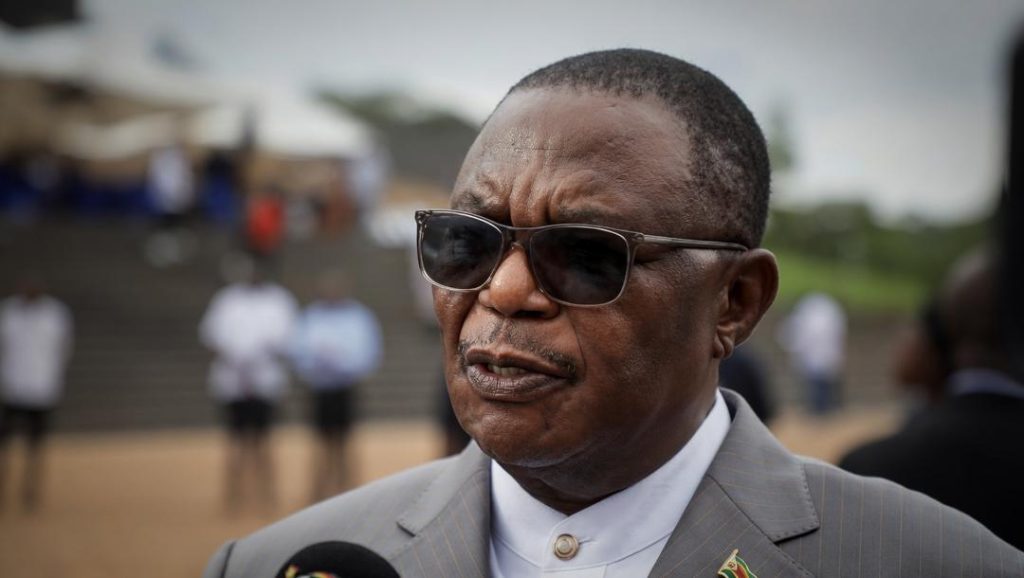
At the centre of the unfolding dynamic is Vice President Constantino Chiwenga, whose recent public posture, marked by unusually direct commentary on corruption and governance, has drawn both praise and criticism in equal measure.
In recent months, Chiwenga has distinguished himself as one of the most outspoken senior government figures on the issue of corruption, repeatedly condemning what he has described as “zvigananda”, a colloquial term widely understood to refer to cartels and entrenched networks accused of abusing state resources and influence for personal gain.
His remarks, delivered at a series of national and public gatherings, have notably remained consistent, with no visible effort to soften or retract them despite their political sensitivity.
This positioning has earned him growing support among sections of the public, who view his statements as a rare acknowledgment of systemic challenges at the highest levels of governance.
For some, Chiwenga’s tone has signaled the emergence of a reform-oriented voice within the establishment, one willing to confront issues often spoken about only in private.
The latest surge of public attention followed his remarks delivered during a church service, where he drew from biblical teachings in a message that many interpreted as a continuation of his anti-corruption stance. The speech quickly gained traction across social and political circles, with supporters hailing it as both bold and morally grounded.
Yet, as quickly as the excitement built, it also began to dissipate amid a fresh wave of political contestation.
Calls from some quarters for the Vice President to resign, based largely on his participation in and sharing of religious messages, have triggered a strong response from the Zimbabwe National Liberation War Veterans Association, a historically influential grouping within Zimbabwe’s political ecosystem.
In a statement issued by its chairman, Andrease Ethan Mathibela, the association firmly rejected the calls for Chiwenga’s resignation, describing them as “misplaced, legally unfounded, and inconsistent with the constitutional order of Zimbabwe.”
The war veterans argued that the criticism directed at the Vice President raises fundamental questions about constitutional rights and the boundaries of public office. Citing provisions within the Constitution, they pointed to guarantees of freedom of assembly, religion, conscience, and expression, rights which, they emphasized, apply equally to all citizens, including those in senior government positions.
“The mere fact that Honourable Vice President Chiwenga occupies high office does not strip him of his identity as a citizen,” the statement noted, adding that participation in religious activities and the expression of personal faith cannot reasonably be construed as misconduct or abuse of office.
The association warned against what it described as a growing tendency to politicize religious spaces, cautioning that such actions risk eroding both the sanctity of religious expression and the integrity of national discourse. In their view, attempts to frame lawful personal conduct as grounds for political sanction represent a dangerous precedent in a constitutional democracy.
They further argued that calls for resignation must be rooted in substantive issues such as illegality, gross misconduct, or failure in official duties, not personal beliefs or expressions of faith. To do otherwise, they said, would trivialize the principle of accountability and weaken democratic norms.
The intervention by the war veterans adds another layer to an already complex political moment, underscoring how even seemingly personal expression, such as religious remarks, are increasingly being interpreted through a political lens.
The episode reflects a broader pattern within Zimbabwean politics, where competing narratives around governance, accountability, and leadership are intensifying.
Chiwenga’s continued public stance against corruption, coupled with the reactions it has provoked, suggests that underlying tensions within the political establishment may be deepening rather than receding.
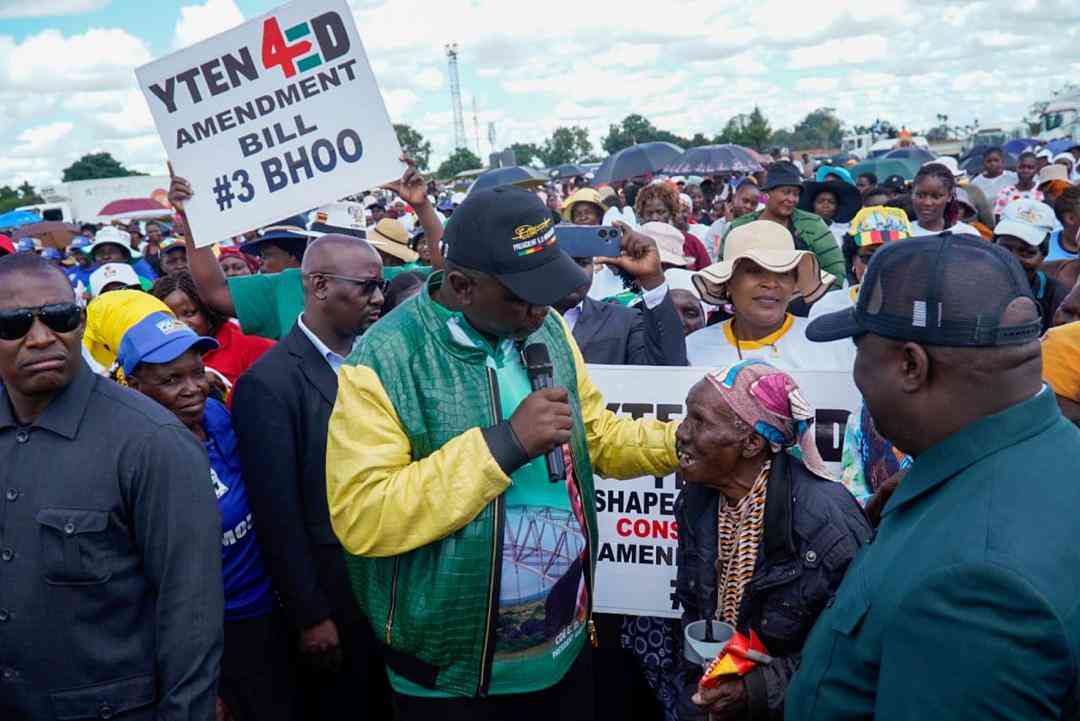
Meanwhile, more drama, as Opposition member who got into parliament are openly jumping the gun and skipping the rope. The active opposition parties and individuals have reportedly been under attack in their push against the Constitutional Amendment Number 3, being barred to protest, arrested, abducted and tortured for criticizing the move to extend President Mnangagwa tenure beyond 2028.



More Stories
Retrenchment Axe Hangs Over TelOne
Printflow Showcases Total Printing And ICT Solutions At Sanganai/Hlanganani Expo
Youth Take Lead in Fight Against Gender-Based Violence