





By Shingirai Vambe
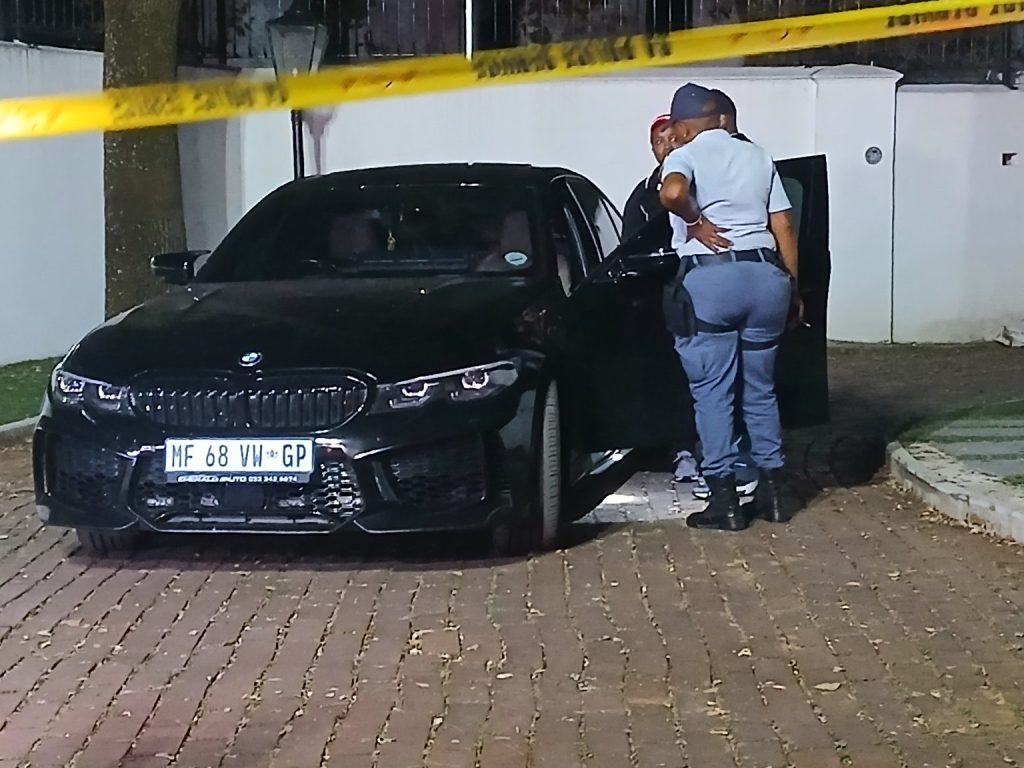
A South African court has been told that a young man shot at a Johannesburg property linked to the family of the late former Zimbabwean president Robert Mugabe was later paid hundreds of thousands of rand in what investigators allege was an attempt to secure his silence.
Proceedings at the Alexandra Magistrate’s Court heard that 23-year-old Sipho Mahlangu, who survived the February shooting, confirmed receiving R250,000 in cash, along with a promise of a further R150,000, bringing the total alleged offer to R400,000.
The details emerged through testimony by investigating officer Colonel Raj Ramchunder, who told the court that the payment arrangement had been verified by the victim himself. According to Ramchunder, the initial payment was made on the same day as the agreement, with assurances that the outstanding balance would also be settled in cash.
Ramchunder distanced law enforcement from the arrangement and urged the court to impose a stringent sentence, framing the payment as an attempt to interfere with the course of justice in a case already marked by violence and controversy.
At the centre of the matter are Bellarmine Chatunga Mugabe, 28, the youngest son of the late former president, and his cousin Tobias Matonhodze, 33. The pair appeared in court for sentencing, but the proceedings were postponed to allow for further consideration, with judgment now expected in the coming week.
Both accused have already entered guilty pleas earlier this month, though to differing degrees of culpability. Mugabe admitted to pointing a firearm at Mahlangu and acknowledged being in South Africa illegally, but avoided an attempted murder conviction. Matonhodze, however, faces more serious consequences after pleading guilty to attempted murder, unlawful possession of a firearm, defeating the ends of justice, and violations of immigration laws.
The case also includes additional charges linked to a separate incident in which Mugabe allegedly pointed a toy gun, further complicating the legal landscape surrounding the accused.
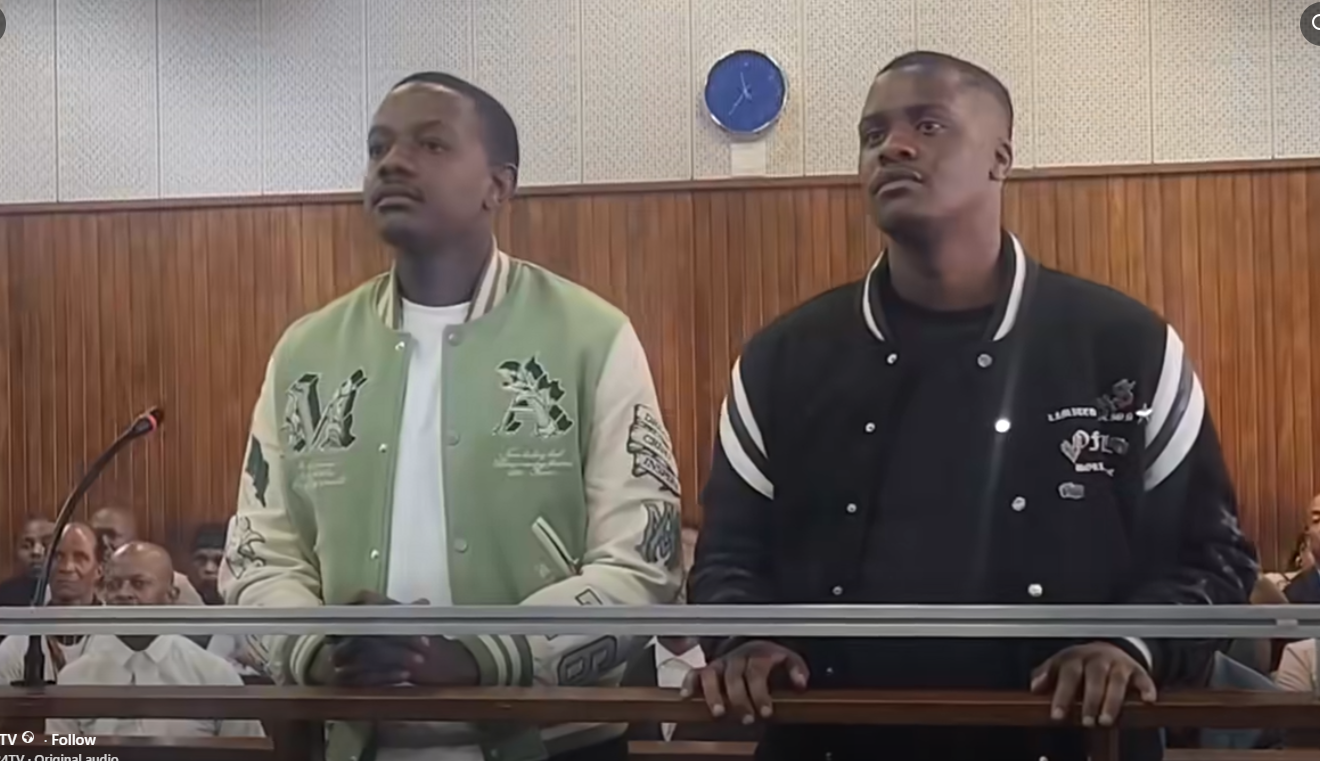
Defence lawyer Advocate Laurance Hodes appealed to the court for leniency, arguing against custodial sentences. He submitted that both men were willing and financially capable of meeting any reparations ordered by the court, including fines or compensation. He further suggested that a suspended sentence would be appropriate, noting the time already spent in custody.
Hodes also indicated that the pair were prepared to cover their own deportation costs back to Zimbabwe, should the court rule in that direction.
However, the prosecution presented a more troubling picture. Ramchunder told the court that neither accused had cooperated with ongoing investigations, particularly efforts to recover the firearm used in the shooting. To date, the weapon remains unaccounted for.
“Both the accused were present when the firearm was discharged and the victim was injured,” Ramchunder said, adding that their lack of assistance to investigators reflected an absence of remorse. He noted that a police tracking unit remains on standby should the accused decide to disclose the weapon’s whereabouts.
The incident itself unfolded in February at the Mugabe family’s Hyde Park residence in Johannesburg. Mahlangu, who was employed at the property, was reportedly caught in a confrontation before being shot twice in the back while attempting to flee. He was rushed to hospital in critical condition but survived.
The case has once again drawn attention to the Mugabe family’s legal entanglements beyond Zimbabwe’s borders. In 2017, Grace Mugabe, the former First Lady and mother of Bellarmine, was accused of assaulting a young model at a Johannesburg hotel. She was granted diplomatic immunity and left South Africa without facing prosecution.
More recently, Bellarmine’s older brother, Robert Mugabe Jr., appeared before a Harare court on drug possession charges following a traffic incident.
As sentencing looms, the current case raises broader questions about accountability, influence, and the intersection of wealth and justice. For the victim, the alleged payment adds another layer to an already traumatic experience. For the court, it presents a test of whether financial settlements, formal or otherwise, can mitigate the gravity of violent crime.
The outcome, expected in the coming days, is likely to be closely watched both in South Africa and Zimbabwe, not only for its legal implications but for what it signals about the reach of justice in high-profile cases.



More Stories
Marital Feud Escalates Into Gun Drama in Rusape
Zimbabwe’s Export Engine Fires Up
Southern Africa Rethinks Energy Security as Zimbabwe Pushes Regional Power Integration