






By Shingirai Vambe
For nearly a decade, the Zimbabwe International Trade Fair (ZITF) has remained a fixture on Zimbabwe’s national calendar, an event that, in theory, brings together industry, government, and global partners under one roof to showcase investment opportunities and industrial capacity.
Held annually in Bulawayo, the country’s second-largest city, the trade fair has long been marketed as a platform for commerce, networking, and economic growth.
Yet, beneath the colourful exhibition stands and official speeches, a more complex narrative is increasingly emerging, one that raises questions about the evolving purpose and value of the event.
Each year, government ministries and their associated parastatals invest thousands of dollars to mount elaborate exhibition stands, often replicating information that is already publicly available or institutionally known. Ministers and senior officials travel from Harare to Bulawayo, where they tour their own ministries’ displays, engage in ceremonial walkthroughs, and participate in side events that critics say offer limited tangible outcomes.
The speaker of Parliament, Jacob Mudenda, he is the secretary general of the governing party, ZANU PF, he was captured on his visit to the party stand, as well as president of the senate, Mable Chinomona, visiting the Parliament stand, staff of parliament hurriedly explaining the role of parliament to a long serving member of parliament.
For many observers, the event has gradually taken on the character of a state-sponsored routine rather than a dynamic commercial exchange.
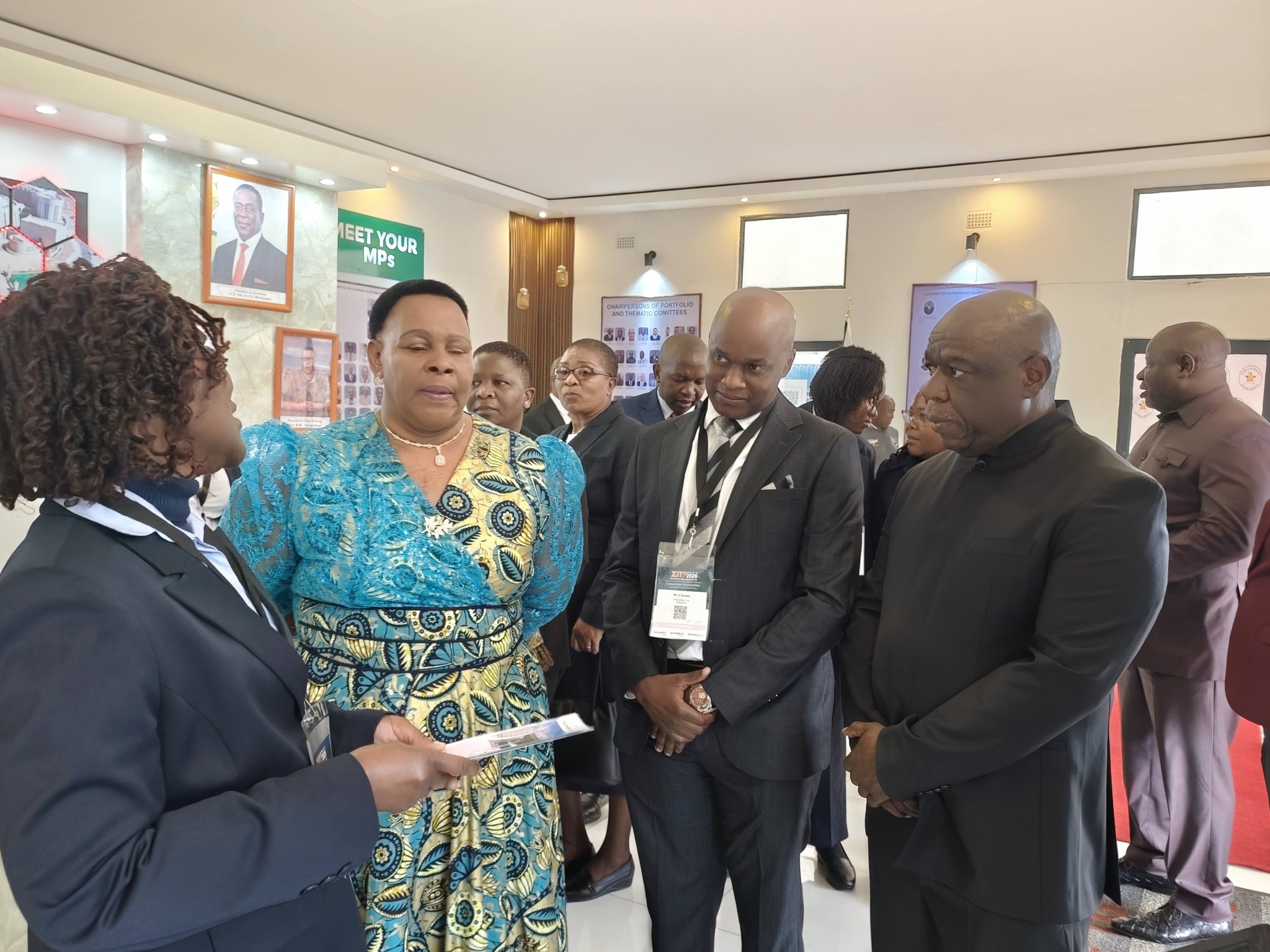
Senior executives, board chairpersons, mayors, legislators, and council officials descend on Bulawayo in large numbers, an influx that some have described, not without irony, as an “early Christmas,” given the travel allowances, accommodation arrangements, and associated benefits tied to official participation.
On the ground, the economic impact is immediate but uneven. For residents and businesses in Bulawayo, ZITF remains a significant, if temporary, economic boost. Hotels fill to capacity, often doubling their rates, while restaurants, transport operators, and informal traders benefit from increased demand.
For a city that has faced prolonged industrial decline, the annual surge in activity is both welcomed and relied upon.
However, within the business community, there is a growing sense of disillusionment.
“We used to make business, network, and generate real deals at ZITF,” said Patience Mutiro in an interview with The Post On Sunday. “But that culture has been replaced. The focus now seems to be more on allowances and stipends rather than meaningful engagement.”
Her remarks reflect a broader concern that the “international” character of the trade fair has diminished over time. Once a hub for global exhibitors and cross-border partnerships, Business has reportedly seen a decline in international trade, a shift, economic analyst, Vince Musewe attribute to changing geopolitical dynamics and global economic pressures.
At the same time, local industry faces its own structural challenges. High production costs, limited access to capital, and weak domestic demand have made it increasingly difficult for Zimbabwean producers to compete, both regionally and internationally. Critics argue that without stronger support for local manufacturing, exhibitions risk becoming symbolic displays rather than catalysts for growth.
“There is also a disconnect,” Mutiro added, pointing to low income levels among consumers. “If people are not earning enough, they cannot support local businesses. That affects everything, from production to sales to participation at events like ZITF.”
The criticism extends beyond economics into perception. Some Bulawayo-based businesses argue that the trade fair has, in practice, become a government-driven programme dominated by participants from Harare, with limited integration of local enterprise beyond hospitality and service provision.

Zimbabwe International Trade Fair remains a paradox, simultaneously a lifeline for Bulawayo’s short-term economy and a subject of growing scrutiny over its long-term relevance.




More Stories
Retrenchment Axe Hangs Over TelOne
Marital Feud Escalates Into Gun Drama in Rusape
Zimbabwe’s Export Engine Fires Up