


High Court Ruling Puts Zimbabwe’s Rule of Law Under Fresh Spotlight…
By Shingirai Vambe
After spending months in detention and recently being granted US$1,000 bail, former Zimbabwean foreign affairs minister Walter Mzembi has now been acquitted by the High Court on corruption-related charges, bringing to a dramatic close one of the country’s longest-running politically sensitive legal battles linked to the post-Robert Mugabe era.
Mzembi’s legal troubles have remained deeply intertwined with Zimbabwe’s turbulent political transition following the 2017 military-assisted removal of Mugabe from power and the rise of President Emmerson Mnangagwa.
The former minister, once regarded as one of Mugabe’s loyal allies and internationally recognised diplomats, had spent several years outside Zimbabwe after leaving the country in 2018 while facing corruption and criminal abuse of office allegations.
His return to Zimbabwe in June 2025 stunned many political observers, particularly given the existence of several outstanding warrants of arrest issued against him over the years.
Mzembi, the former Masvingo South legislator and one-time tourism minister, was immediately arrested upon his return from South Africa, where he had been living for nearly seven years after initially leaving Zimbabwe for what he said was urgent cancer treatment.
At the time of his departure in 2018, Mzembi had been out on bail and had reportedly assured authorities he would return after receiving specialised medical treatment. However, he remained outside the country as the legal cases against him intensified.
Over the years, Zimbabwean authorities repeatedly sought his extradition, with state media reporting in 2021 that Harare was awaiting cooperation from South African authorities regarding efforts to bring him back to face trial.
The charges against Mzembi stemmed largely from his tenure as tourism and hospitality minister, particularly around Zimbabwe’s co-hosting of the United Nations World Tourism Organisation conference in 2013.
Prosecutors accused him of criminal abuse of office and theft of trust property involving approximately US$847,000 linked to the handling of public resources during preparations for the global tourism event.
Another case centred on allegations that Mzembi unlawfully donated outdoor television sets valued at approximately US$2 million, equipment acquired for public viewing during the 2010 FIFA World Cup, to several churches without Treasury or Cabinet approval.
The beneficiaries reportedly included religious organisations such as Zion Church of Christ, United Family International Church (UFIC), and PHD Ministries.
During trial proceedings, Mzembi denied wrongdoing and argued that the donations had been authorised at the highest levels of government as part of a broader strategy aimed at promoting religious tourism in Zimbabwe.
He testified that both Mugabe and former prime minister Morgan Tsvangirai had approved the initiative.
Former government officials who testified in his defence also argued that Mzembi was not the accounting officer within the ministry and therefore could not bear direct criminal liability for procurement and asset disposal decisions.
Despite these arguments, Mzembi remained incarcerated for months after his arrest in June 2025, repeatedly failing in multiple attempts to secure bail.
He was later granted him US$1,000 bail pending judgment, imposing strict conditions that included surrendering his passport, remaining at his Harare residence, and restricting his movement to within a 30-kilometre radius of the court.
Even after bail was granted, administrative complications reportedly delayed his release from custody.
Throughout the legal proceedings, Mzembi’s deteriorating health became a growing concern among supporters and rights observers. The former minister has reportedly been battling intestinal cancer, with concerns repeatedly raised about the impact of prolonged detention on his condition.
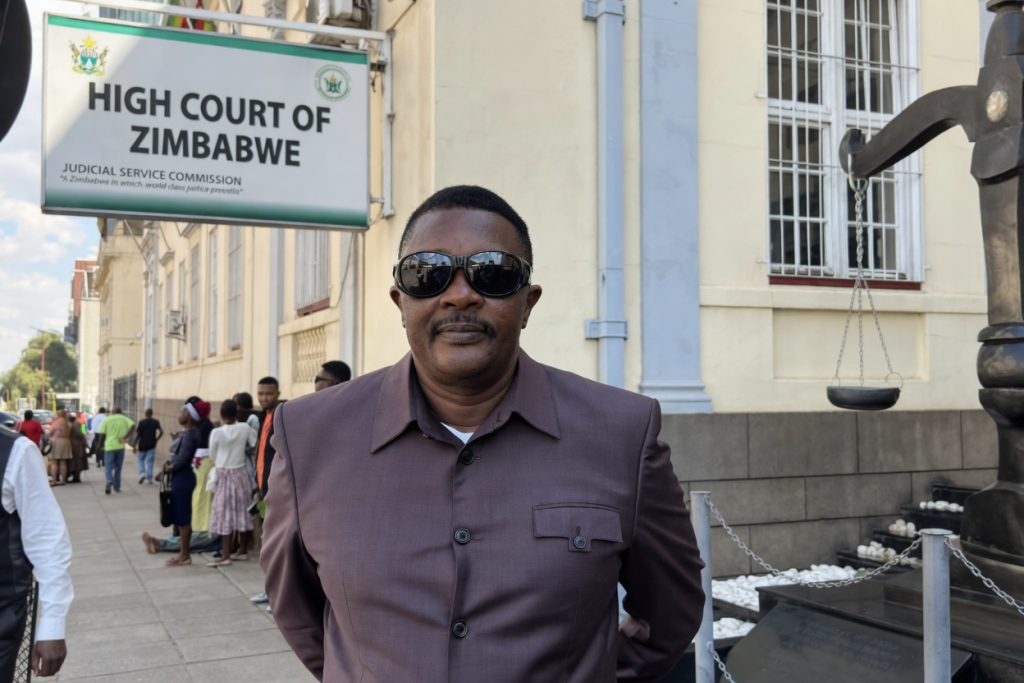
His eventual acquittal by the High Court Judge, Justice Benjamin Chikowero, is now likely to trigger renewed political debate over Zimbabwe’s justice system, selective prosecution, and the treatment of former officials associated with the Mugabe administration.
The case has also reignited discussion about how post-2017 political realignments continue to shape legal and political outcomes in Zimbabwe.
Prominent investigative journalist Hopewell Chin’ono weighed into the matter on social media, noting that Mzembi had spent more than 220 days in detention following his return to Zimbabwe.
“Former Zimbabwean foreign minister Walter Mzembi was arrested on June 14 2025 after he returned to Zimbabwe from years in exile,” Chin’ono wrote.
“He has now spent about 220 days in prison, more than seven months. Mnangagwa does not forget, neither does he forgive.”
The remarks reflect broader public perceptions that some legal cases involving former senior government officials may carry political undertones linked to Zimbabwe’s shifting power dynamics after Mugabe’s removal.
Mzembi himself was once considered among the younger generation of influential ZANU PF politicians and had built a strong international profile during his years as tourism minister and later foreign affairs minister.
At one point, he even contested for the position of Secretary-General of the United Nations World Tourism Organization, gaining significant continental and international recognition.
His political downfall, exile, arrest, prolonged detention, and eventual acquittal now form part of the broader story of Zimbabwe’s unresolved political transitions, factional struggles, and contested justice system in the post-Mugabe era.
While the High Court ruling may bring legal relief to Mzembi, analysts say the political implications of the case are likely to continue resonating across Zimbabwe’s governance and justice landscape for years to come.


More Stories
Marital Feud Escalates Into Gun Drama in Rusape
AHF calls for African countries to unite against debt crisis
Pensioners Left Waiting As Billions Sit In Zimbabwe’s Pension Funds