





The Post On Sunday
The geopolitical fault lines that have defined the latest phase of the Middle East conflict, widely seen as a confrontation drawing in global powers, are beginning to show tentative signs of easing, even as the path to lasting peace remains uncertain and fragile.
What had escalated into a high-stakes standoff involving Iran, United States, and Israel, with ripple effects across global political and economic systems, is now reportedly shifting into a quieter, more diplomatic phase. Behind the scenes, negotiations are ongoing, offering cautious optimism after weeks of heightened tensions, military posturing, and economic disruption.
According to Iranian officials, there has been measurable progress in talks with Washington aimed at ending hostilities. However, Tehran has been quick to temper expectations. The Speaker of Parliament indicated that while dialogue channels remain open and active, both sides are still “far” from reaching a comprehensive agreement.
On the American side, President Donald Trump has acknowledged what he described as “very good conversations” with Iran, suggesting that diplomatic engagement is gaining traction. Yet, his administration has maintained a firm stance, particularly on strategic pressure points such as the Strait of Hormuz, a critical global النفط transit corridor.
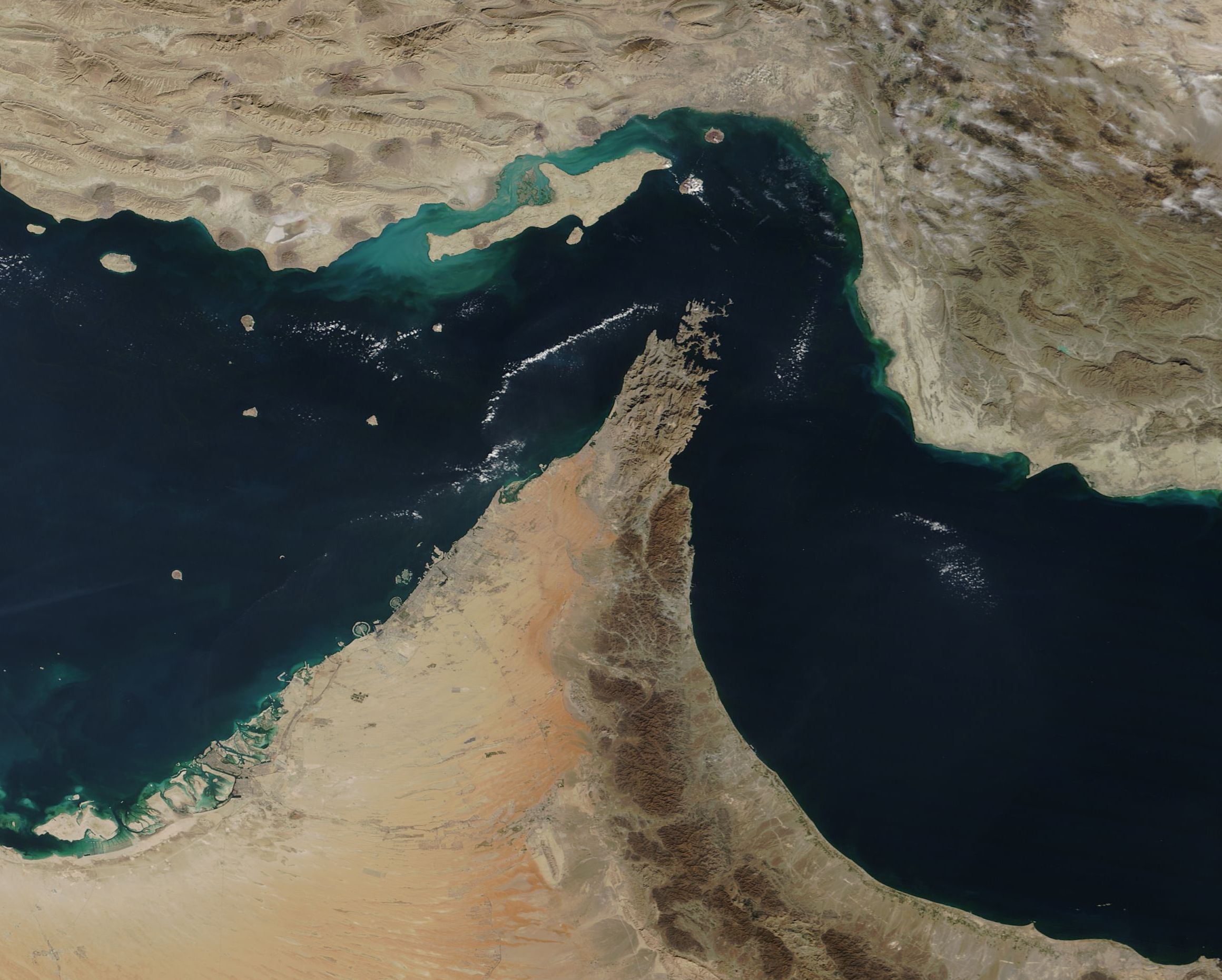
At the centre of the standoff is the strategically vital Strait of Hormuz, through which a significant portion of the world’s oil supply passes. Iran has insisted that the strait will remain closed unless the United States lifts its blockade on Iranian ports, an action Tehran has labelled a violation of ceasefire understandings. In response, Washington has doubled down, with Trump stating the blockade will remain in place until what he termed a “100% complete” resolution is achieved.
Even as diplomatic efforts continue, tensions on the ground and at sea remain volatile. Reports indicate that Iranian gunboats recently opened fire on a tanker navigating the Strait of Hormuz, while other vessels have reported being struck by unidentified projectiles. The United States military has confirmed that it has intercepted maritime movement in the area, forcing at least 23 ships to turn back since enforcement of the blockade began.
These developments underscore the precarious balance between diplomacy and escalation. While talks suggest a willingness to de-escalate, actions in the Gulf continue to carry the risk of reigniting broader confrontation.
The human and economic cost of the conflict remains profound. Across the Middle East, infrastructure has been severely damaged, with billions of dollars lost in reconstruction needs. Civilian casualties, among them women and children, have drawn international concern, while displacement and instability continue to strain already fragile states.
Beyond the region, the conflict has had a cascading global impact. Energy markets have experienced volatility, supply chains have been disrupted, and geopolitical alliances have been tested. The crisis has also reignited debate over the role of global powers in regional conflicts, with critics arguing that competing strategic interests often prolong rather than resolve such crises.
More broadly, the situation reflects a troubling global pattern. Conflicts continue to erupt in different parts of the world, often with limited consensus among nations on how to address them. Diplomatic fragmentation and competing national interests have, in many cases, hindered unified responses to crises.
For now, the Middle East appears to be entering a phase of cautious recalibration. The language of confrontation is gradually giving way to that of negotiation, even if only incrementally. Yet, with both Iran and the United States maintaining firm positions on key issues, the distance between dialogue and durable peace remains significant.


More Stories
Zimbabwe’s Export Engine Fires Up
Southern Africa Rethinks Energy Security as Zimbabwe Pushes Regional Power Integration
AHF calls for African countries to unite against debt crisis