






Zimbabwe’s Lithium Leap…
By Shingirai Vambe
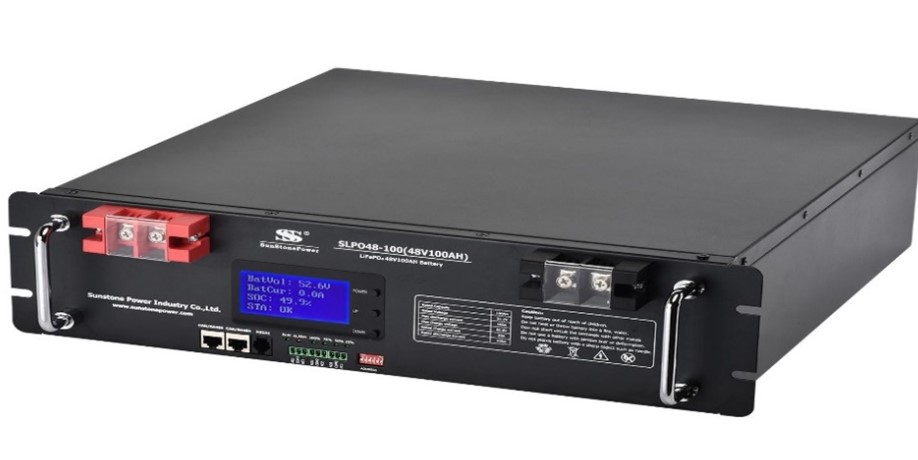
BULAWAYO-The Harare Institute of Technology (HIT) has marked a significant milestone in Zimbabwe’s industrial and scientific advancement, unveiling what is being described as the country’s first locally manufactured lithium battery, a development that signals a bold shift toward in-country value addition and technological innovation.
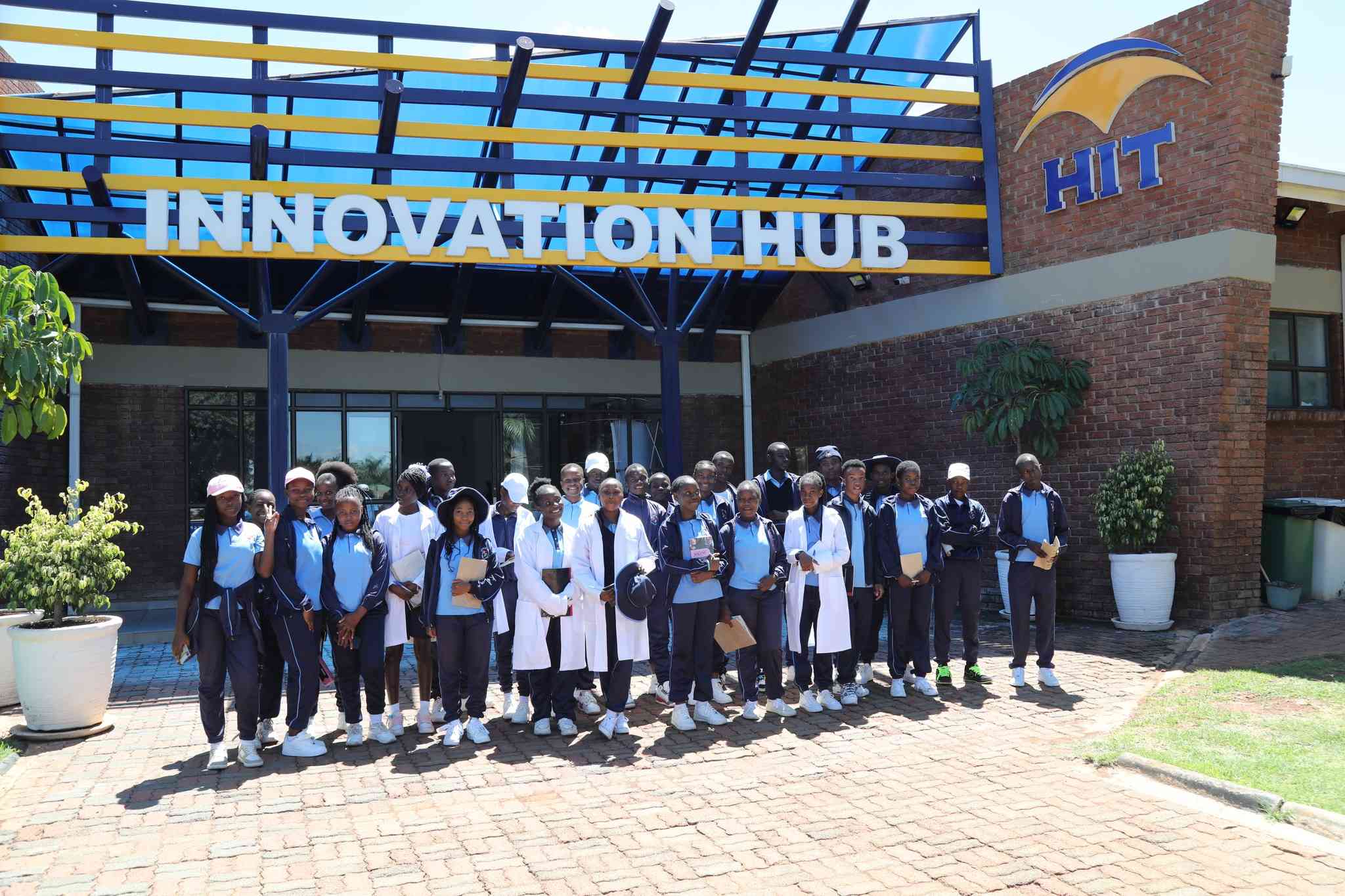
Speaking to The Post on Sunday on the sidelines of the graduation of Data Privacy Officers, Vice Chancellor Quinton Chamunorwa Kanhukamwe expressed pride in the institution’s achievement, highlighting both the technical breakthrough and the caliber of graduates emerging from HIT.
He said the project reflects the institution’s growing capacity to translate academic research into practical, industry-relevant solutions.
“This is a clear demonstration that Zimbabwe has the knowledge, the skills, and the human capital to beneficiate its own resources,” Kanhukamwe said. “For years, lithium mined in Zimbabwe has largely been exported in raw or semi-processed form to countries such as China. What we are now showing is that value addition can begin right here at home.”
The development comes at a critical moment for Zimbabwe’s mining and industrial policy. The government, through the Ministry of Mines and Mining Development, has recently taken decisive steps to tighten control over the export of raw minerals, particularly lithium, a strategic resource at the centre of the global transition toward clean energy technologies.
In a policy shift announced by Mines Minister Polite Kambamura, Zimbabwe suspended the export of all raw minerals and lithium concentrates with immediate effect, including consignments already in transit. The move, authorities say, is designed to curb leakages, enhance transparency, and compel mining companies to invest in local processing and beneficiation.
“Government expects cooperation of the mining industry on this measure which has been taken in the national interest,” the ministry said, adding that the policy is part of a broader strategy to ensure accountability and maximize economic returns from the country’s mineral wealth.
Originally, the ban on lithium concentrate exports had been scheduled for implementation in January 2027. However, growing concerns over alleged malpractices in mineral exports and the urgent need to accelerate value addition prompted authorities to fast-track the decision.
Zimbabwe holds the largest lithium reserves in Africa and has seen a rapid increase in production in recent years. In 2025 alone, the country exported over 1.1 million metric tonnes of lithium-bearing spodumene concentrate, most of it destined for China, where it is refined into battery-grade materials. This export model has long been criticized for depriving Zimbabwe of higher economic value embedded in downstream processing.
Against this backdrop, HIT’s lithium battery innovation represents more than a scientific achievement, it aligns directly with national policy and economic aspirations. By demonstrating that lithium can be processed and utilized domestically, the institution is positioning itself as a key player in Zimbabwe’s emerging industrial ecosystem.
The global race for critical minerals such as lithium has intensified in recent years, driven by demand for electric vehicles, renewable energy storage systems, and advanced electronics. Countries rich in these resources are increasingly seeking to retain more value within their borders by developing local manufacturing capabilities.
Zimbabwe is no exception. Major investments by international mining firms, including Zhejiang Huayou Cobalt, Sinomine Resource Group, Chengxin Lithium Group, and Yahua Group, have expanded spodumene production, while also beginning to establish processing plants within the country. Huayou, for instance, has already commissioned a lithium sulphate plant, while Sinomine has announced plans for a similar facility at its Bikita operation.
Mining remains a cornerstone of Zimbabwe’s economy, contributing over 14 percent to the country’s gross domestic product. However, policymakers have increasingly emphasized that long-term economic transformation will depend not just on extraction, but on beneficiation, industrialization, and innovation.
It is within this evolving landscape that HIT’s breakthrough finds its relevance. The successful production of a lithium battery locally offers a glimpse into the possibilities of a fully integrated value chain, from mineral extraction to high-tech manufacturing.
For Kanhukamwe and his team, the achievement is also a statement about the role of higher education institutions in national development. He noted that universities must move beyond theory and actively contribute to solving real economic challenges.
“Our mandate goes beyond teaching. We must innovate, we must industrialize, and we must contribute meaningfully to Zimbabwe’s development trajectory,” he said.
HIT and POTRAZ have partnered in training data protection officers of both government and private organizations
As the country tightens its grip on mineral exports and pushes for local beneficiation, the convergence of policy direction and academic innovation may well define Zimbabwe’s next phase of economic growth, one in which its vast natural resources are not only extracted, but transformed into finished products within its own borders.




More Stories
Retrenchment Axe Hangs Over TelOne
Marital Feud Escalates Into Gun Drama in Rusape
Zimbabwe’s Export Engine Fires Up