


Celebrating Freedom While Demanding Change…
By Senior Reporter
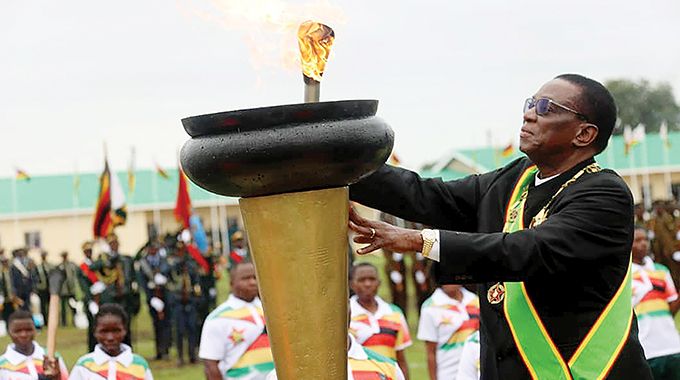
Zimbabwe marked its 46th Independence Day today, with national celebrations being held in Maphisa, Matabeleland South, a symbolic shift intended to take commemorations beyond traditional venues and into communities that were central to the liberation struggle. Yet, beneath the ceremonial displays of unity, song, and remembrance, the mood across sections of the country remains subdued, shaped by a growing sense of economic and political discontent.
This year’s celebrations come at a time when expectations among public sector workers have once again been dashed. Promises of meaningful salary adjustments have failed to materialize, leaving many civil servants grappling with the harsh realities of stagnant wages against a rising cost of living. For many, the Independence Day festivities arrive not as a moment of fulfilment, but as a reminder of unfulfilled commitments and widening economic strain.
The national mood has further been complicated by recent political developments, including a contentious parliamentary process that some critics have likened to a regression toward the authoritarian tendencies of the colonial era.
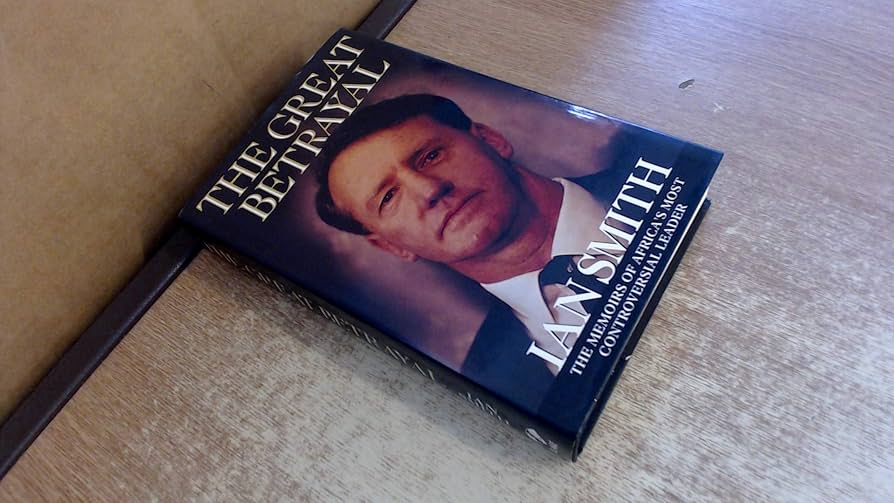
The comparison to the regime of Ian Douglas Smith, defeated through the liberation struggle and formally replaced with majority rule in 1980, has resurfaced in public discourse, with critics arguing that certain legislative and governance trends risk undermining the democratic gains of independence.
War veterans have been among the most vocal in expressing concern.
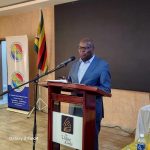
Veteran leader Andreas Mathibela told The Post On Sunday Newspaper that Independence Day should serve not only as a celebration, but as a moment of deep national reflection.
“As we commemorate our Independence Day, we are called upon to reflect on the meaning of the freedom that was won through immense sacrifice, courage, and unity of purpose,” Mathibela said. “Independence was not merely the lowering of one flag and the raising of another. It was a solemn promise to build a nation grounded in justice, equality, and respect for the will of the people.”
Mathibela warned that the country now finds itself in what he described as a constitutional crossroads, where the principles enshrined in Zimbabwe’s supreme law risk being undermined. He argued that any actions that weaken or disregard the Constitution represent a betrayal of the ideals that defined the liberation struggle.
“It is both painful and deeply ironic,” he added, “that as we celebrate independence, we are witnessing the growing marginalization of genuine war veterans and collaborators, the very individuals who carried the burden of the liberation struggle. Many are being sidelined, excluded from national discourse, and stripped of the dignity they deserve.”
According to Mathibela, the liberation struggle was never about personal enrichment or the concentration of power, but about restoring dignity, land, and self-determination to the people. The perceived sidelining of former fighters, he said, raises critical questions about the direction the country has taken since independence.
These very sentiments were echoed by the Vice President, CGDN Chiwenga at the national shrine.
Parallel sentiments have also been echoed by opposition voices. Former St Mary’s legislator Job Sikhala, speaking from South Africa during the commemorations, delivered a reflection on Zimbabwe’s post-independence trajectory.
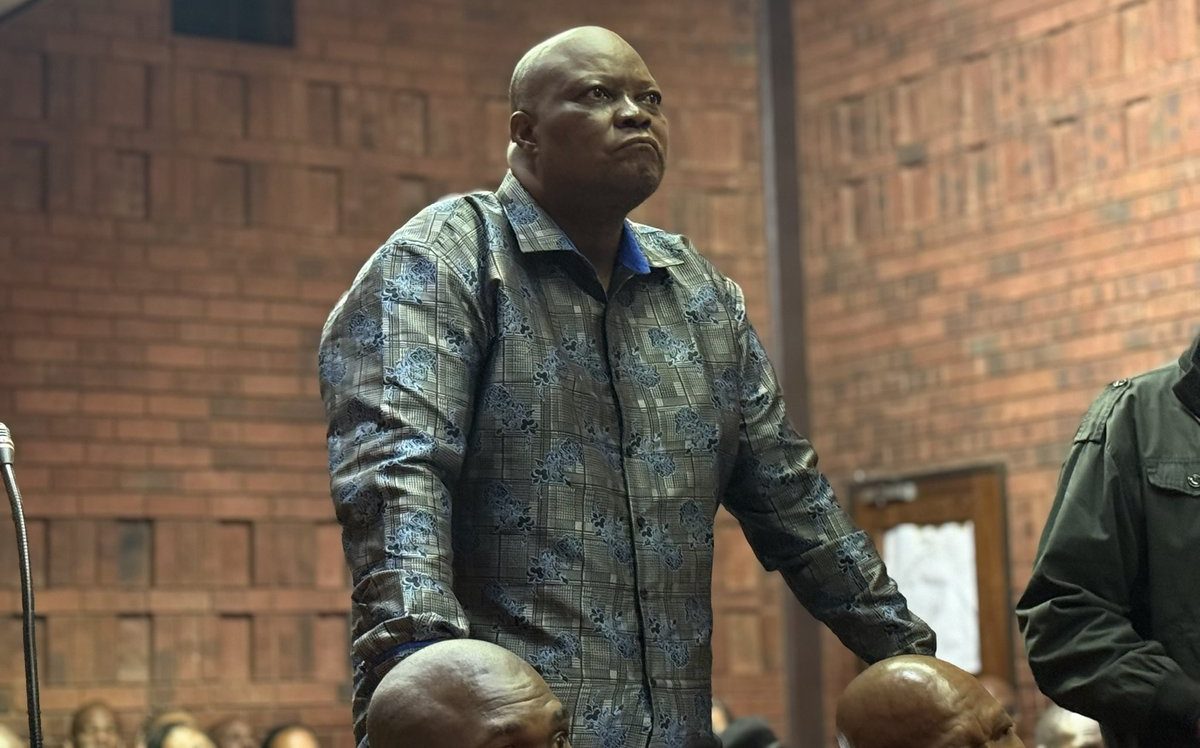
He recalled that April 18 marked the defeat of minority rule under Ian Smith and the birth of majority governance following a protracted liberation war fought by thousands of Zimbabweans both at the frontlines and within communities.
Sikhala emphasised that the liberation struggle was a collective effort, carried not only by those who bore arms, but also by civilians who provided logistical support, intelligence, and shelter. At independence, he said, Zimbabweans had high expectations of political freedom, economic opportunity, and equal participation in national governance.
However, he argued that those expectations have, over time, been eroded.
“Forty-six years later, many Zimbabweans are asking whether this is the independence they fought for,” Sikhala said, pointing to widening economic inequality, limited opportunities for the majority, and what he described as increasing political repression.
He further alleged that post-independence governance had, in some respects, reproduced the very systems of exclusion and control that the liberation struggle sought to dismantle.
While his remarks reflect a critical perspective, they resonate with a broader national conversation about the meaning of independence in contemporary Zimbabwe. Questions around economic justice, governance, and inclusivity continue to dominate public discourse, particularly among younger generations who did not directly experience the liberation war but are now shaping the country’s future.
As Zimbabwe marks 46 years of independence, the contrast between past sacrifices and present realities remains a defining theme.
The day is a proud celebration of sovereignty and resilience. For others, it is a moment of introspection, an opportunity to assess whether the promises of 1980 have been fulfilled, or whether the nation must recalibrate its path.
“What remains clear is that independence, for many Zimbabweans, is no longer viewed solely as a historical milestone, but as an ongoing project, one that demands accountability, inclusion, and a renewed commitment to the principles that once united a nation in the fight for freedom,” said Sikhala


More Stories
Marital Feud Escalates Into Gun Drama in Rusape
AHF calls for African countries to unite against debt crisis
Pensioners Left Waiting As Billions Sit In Zimbabwe’s Pension Funds