




The Post On Sunday
South Africa has moved to clarify confusion surrounding its reported exclusion from an upcoming Group of Seven (G7) summit in France, walking back earlier claims that pressure from the United States had led to the withdrawal of its invitation.
The controversy began when presidential spokesperson Vincent Magwenya indicated that Pretoria had initially been invited to attend the high-level gathering scheduled for June 15–17, but that the invitation had subsequently been rescinded due to what he described as “sustained pressure” from Washington. His remarks suggested a deepening diplomatic rift between South Africa and the United States, raising concerns of geopolitical tensions spilling into multilateral platforms.
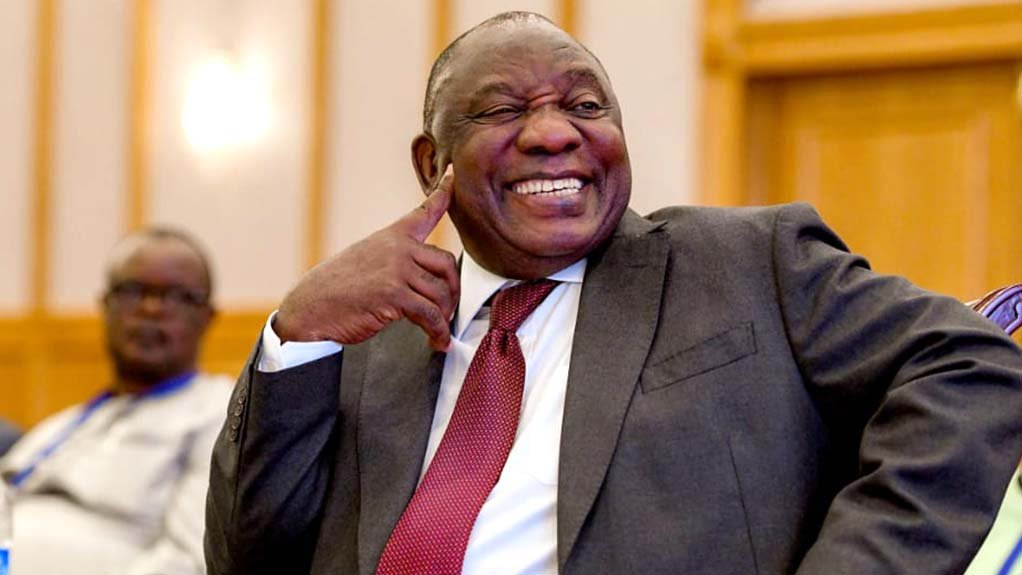
However, within hours, President Cyril Ramaphosa publicly contradicted that assertion, dismissing the notion that South Africa had been snubbed or sidelined. In remarks aired by Johannesburg-based broadcaster eNCA, Ramaphosa struck a measured and pragmatic tone, emphasizing that South Africa’s attendance at G7 summits has never been guaranteed.
“My information is that there has been no pressure from any country, the US or any other country,” Ramaphosa said. “We haven’t attended every G7, so if we don’t go to this one it should never be a surprise to anyone.”
His comments appeared aimed at de-escalating the situation and restoring diplomatic balance, particularly at a time when relations between Pretoria and Washington remain fragile.
Attempts to obtain further clarification from Magwenya went unanswered, while the United States swiftly rejected the earlier claims. United States Department of State officials denied any involvement in influencing France’s guest list for the summit.
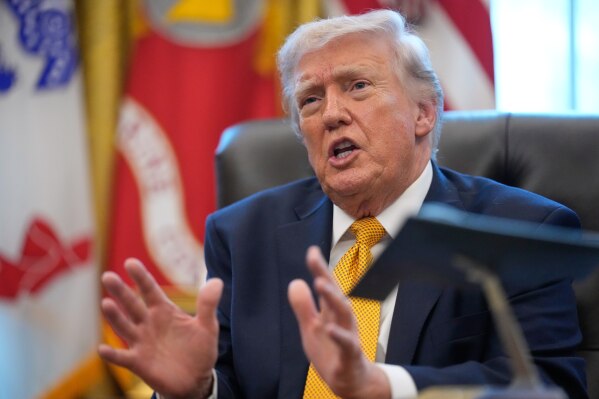
“We have not asked the French to exclude South Africa from the G7 summit,” said Nick Checker in an emailed response, firmly distancing Washington from the controversy.
The episode nonetheless underscores the increasingly strained relationship between South Africa and the United States, which has deteriorated significantly since the return of Donald Trump to the White House. Diplomatic tensions have been fueled by a series of contentious issues, including Trump’s widely disputed claims that South Africa is persecuting white farmers, criticism of Pretoria’s ties with Iran, and opposition to its Black economic empowerment policies.
These disagreements have already spilled into global diplomatic forums. In a notable snub last year, Trump boycotted the Group of Twenty (G20) summit hosted by South Africa in Johannesburg and later indicated that South African officials would not be invited to a subsequent meeting scheduled to take place in Miami.
Adding further clarity to the G7 invitation saga, French Foreign Minister Jean-Noel Barrot confirmed that it is Kenya, not South Africa, that has been invited to participate in the upcoming summit. Kenya’s growing diplomatic profile has been bolstered by its collaboration with France, with the two nations set to co-host the Africa Forward Summit in Nairobi on May 11–12.
While the immediate diplomatic confusion appears to have been resolved, the incident highlights the delicate and shifting dynamics of global alliances, where political rhetoric, strategic interests, and international perception continue to shape who gets a seat at the table, and who does not.



More Stories
Zimbabwe’s Export Engine Fires Up
Southern Africa Rethinks Energy Security as Zimbabwe Pushes Regional Power Integration
AHF calls for African countries to unite against debt crisis