



By Staff Reporter
The political temperature in Zimbabwe continues to rise as a deepening confrontation between citizens and the ruling ZANU PF lays bare growing concerns over the integrity and independence of key state institutions, particularly Parliament and the police.
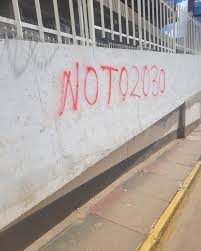
At the centre of the storm is the ongoing parliamentary consultation process on the proposed Constitutional Amendment Bill No.3, a contentious piece of legislation that critics have described as a “mutilation” of the country’s supreme law. While authorities maintain that the consultations are part of a democratic process, critics argue that the exercise has been shrouded in secrecy and conducted in a manner that limits meaningful public participation.
Across the country, tensions are escalating, with reports of intimidation, arrests, and alleged abductions targeting individuals and groups opposing the proposed changes. Civil society actors and opposition voices have raised alarm over what they describe as a systematic clampdown on dissent, warning that the space for democratic engagement is rapidly shrinking.
In one of the latest incidents, a student leader identified as Delan Cole from Chinhoyi University of Technology was reportedly abducted under unclear circumstances. According to information circulating among student networks, Cole was allegedly taken from a lecture theatre while attending a meeting on the Constitutional Amendment Bill, where he had openly expressed opposition to the proposed changes. His whereabouts remain unknown, raising fears for his safety and intensifying calls for accountability.
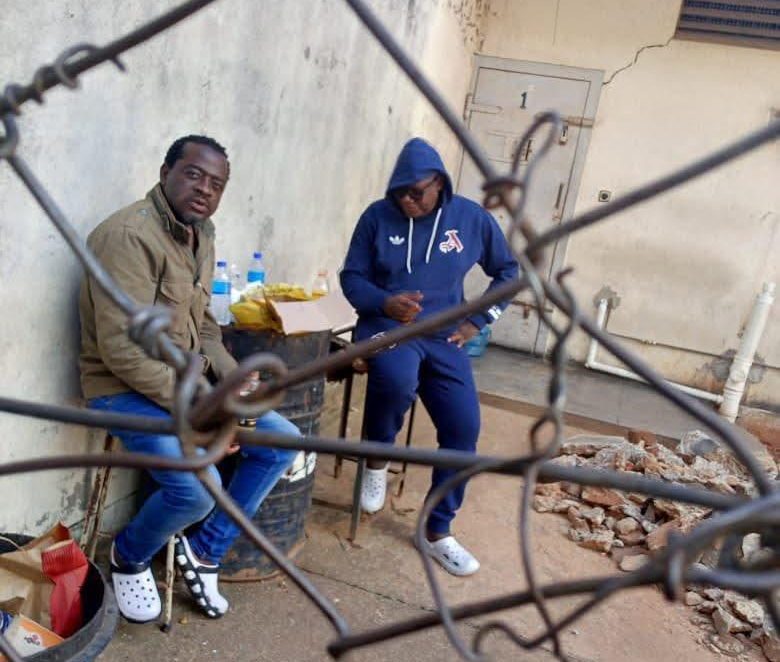
The developments took another dramatic turn later in the day with the arrest of prominent opposition figure and former Finance Minister Tendai Biti in Mutare. Biti, who once served as legislator for Harare East, was reportedly conducting door-to-door engagements and one-on-one meetings aimed at educating citizens about the implications of the amendment.
Authorities have since confirmed that Biti, along with Citizens for Democratic Formation (CDF) programmes director Morgan Ncube, has been charged under the Maintenance of Peace and Order Act (MOPA) for allegedly failing to notify the police of a public gathering. The two are currently being held at Mutare Central Police Station and are expected to appear in court on Monday, March 23.
Speaking on behalf of the CDF, spokesperson Jacob Rukweza strongly condemned the arrests, describing them as arbitrary and politically motivated. He argued that the charges lack legal grounding, insisting that the meetings conducted by Biti and his colleague were private civic engagements that do not fall under the ambit of MOPA.
“We view these arrests as calculated acts of repression by a regime determined to close all democratic spaces,” Rukweza said. “Our leadership did not break any law. The real issue is their role in leading the campaign against Constitutional Amendment Bill No.3.”
Legal representation for the two has been secured through Chris Ndlovu of Gonese and Ndlovu Legal Practitioners.
Biti is among a growing list of high-profile figures who have come under increased scrutiny for their vocal opposition to the proposed constitutional changes. Constitutional law expert Lovemore Madhuku and other critics have also reportedly been subjected to heightened monitoring, reflecting what observers say is a broader strategy to contain dissenting voices.
Meanwhile, shifting dynamics within traditionally aligned groups have added another layer of complexity to the unfolding situation. In Masvingo, war veterans, once seen as a reliable support base, have reportedly distanced themselves from earlier calls linked to extending the President’s tenure beyond 2028. The apparent policy reversal signals growing fractures within influential constituencies.
Further tensions have emerged following warnings issued by retired military figures, including RtD General Muchena, who has reportedly taken a firm stance against critics such as former legislator Temba Mliswa, while also raising objections to Parliament’s handling of the amendment process.
As these events continue to unfold, Zimbabwe finds itself at a critical juncture. The debate over Constitutional Amendment Bill No.3 has moved beyond legal and policy discourse, evolving into a broader contest over governance, civil liberties, and the future of democratic institutions. With arrests mounting, allegations of abductions surfacing, and political divisions widening, the coming days are likely to prove decisive in shaping the country’s political trajectory.


More Stories
Marital Feud Escalates Into Gun Drama in Rusape
AHF calls for African countries to unite against debt crisis
Pensioners Left Waiting As Billions Sit In Zimbabwe’s Pension Funds