




By Shingirai Vambe
Belem,Brazil-African leaders have backed the new Wildlife for Climate Declaration ahead of the 31th United Nations climate change conference (COP31), recognising the urgent need for wildlife protection for sake of climate.
Speaking on a side event hosted by World Federation for Animals(WFA) at ongoing COP 30 in Belem, Brazil, Minister of Environment and Climate Change, Evelyn Ndlhlovu, who was represented by Ministry permanent secretary Tedious Chifamba said African leaders have agreed to pave the way for a Global Wildlife for Climate Action Declaration to be launched at COP31 next year.
The side event ran under the theme “From synergies to action: Animals as the missing link,” which explored practical policy actions to advance climate, biodiversity and land restoration goals.
COP30 kicked off on Monday with over 56,000 people attending, making it the second-largest COP in history
“We know that healthy wildlife populations are engines of climate stability, yet until now there has been minimal collective commitment across the continent to protect them.
“With this new Declaration, African leaders have taken a huge step forward in recognising wildlife as allies in climate action.
“ We invite the world to support us as we look ahead to launch at COP31, a key opportunity to secure global recognition of wildlife as an integral component of climate policy,” Ndhlovu said.
She highlighted that protecting wildlife was not just a moral imperative, but a cornerstone of Africa`s collective climate strategy.
“When wildlife thrives, ecosystems flourish and resilience grows,” said the minister.

The endorsement was agreed at the inaugural African Union Biodiversity summit, held in Botswana in early November, where Heads of State adopted the ‘African Leaders Gaborone Declaration on Biodiversity’.
In paragraph 44, leaders committed to endorse the Wildlife for Climate Action Agenda and Declaration and call upon the rest of the world to support Africa and Africa’s wildlife resources on this cause.
This decision reflects growing recognition that protecting wildlife and restoring habitats is a cost-effective and nature-based solution to climate change, directly supporting the Paris Agreement.
Wild animals contribute significantly to natural carbon sequestration and ecosystem resilience by maintaining land and ocean ecosystems.
Across Africa, elephants, antelopes, and other large herbivores disperse seeds, regenerate forests, and maintain grasslands that lock carbon in soils, helping to mitigate climate change.
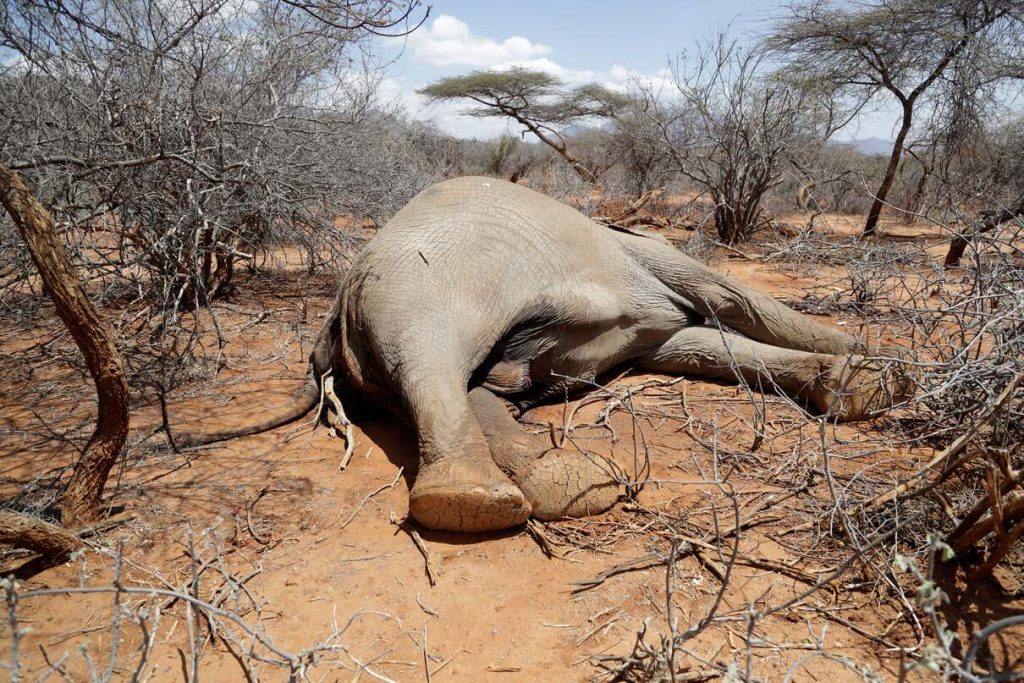
However, wildlife is under threat from myriad forces, including habitat loss, poaching, and the illegal wildlife trade, meaning collective action is needed before it is too late.
Recent analysis found that Africa is experiencing a continent-wide collapse in the animal ‘power’ that drives nutrient cycling, seed dispersal and other life-supporting functions, risking not just biodiversity but the livelihoods of those who depend on it.
Speaking at the same event, Gambia Minister of Environment, Climate Change and Natural Resources Lamin Dibba said in their country they were witnessing first-hand how climate change was affecting their wildlife and ecosystems they depend on.
“Rising temperatures, altered rainfall patterns, and more frequent extreme weather events are impacting and changing habitats faster than many species can adapt.
“The socio-economic impact is significant. Wildlife-based tourism contributes to livelihoods, supports local enterprises, and showcases our natural heritage to the world.
“When biodiversity declines, we lose far more than species – we lose our economic resilience and sense of identity.
“For countries like The Gambia, enhancing cooperation between the Rio Conventions is not an abstract aspiration, it is a practical necessity. Protecting animals and transforming food systems must be central pillars of that effort,”Dibba said.
World Federation for Animals chief executive officer, James Yeates said the announcement was a big win for animals across Africa and the world were quietly doing a great job supporting ecosystems and contributing to carbon storage through their natural behaviours.
“This announcement is a huge win for animals. While at COP30 decisions are being made at the highest levels to address climate change, wild animals across Africa – and the world – are quietly doing their bit, supporting ecosystems
“I commend these Ministers for their forward-thinking approach, understanding that without a shared commitment, the fate of these wild animals will be under threat,” he said.
Yeates implored the world to get behind Africa ahead of the Declaration launch at COP31, acknowledging that protecting these animals is not just the compassionate thing to do, but critical for the future of the planet
The forthcoming Wildlife for Climate Declaration builds on commitments made at the 20th African Ministerial Conference on the Environment (AMCEN) in Nairobi, and aligns with the African Union’s Agenda 2063: The Africa We Want, which recognises that Africa’s unique natural endowments, including its wildlife and wildlands, must be valued and protected to ensure climate resilience, biodiversity conservation, and sustainable development.


More Stories
AHF calls for African countries to unite against debt crisis
Printflow Showcases Total Printing And ICT Solutions At Sanganai/Hlanganani Expo
Zimbabwe’s Second Bid to Remove Vendors from Harare Streets Triggers Fresh Livelihoods, Law and Order Clash